Manu vs Tambopata is the most common decision travelers face when planning an Amazon trip from Cusco or Lima, and there is no universally correct answer, only the right fit for your time and budget. Both regions deliver real Peruvian Amazon wildlife. They just get you there in very different ways, and each genuinely wins on different things.
This guide breaks down how each destination actually compares, without pretending one is simply better than the other.
Manu vs Tambopata at a Glance
| Manu National Park | Tambopata National Reserve | |
|---|---|---|
| How to get there | Overland from Cusco, several hours by road plus boat | 45-minute flight to Puerto Maldonado, then a short boat ride |
| Days needed | 5 to 8 days | 3 to 4 days |
| Price | Higher, longer logistics | More affordable, shorter trip |
| Wildlife density | Very high, less human pressure | High, concentrated around lodges and clay licks |
| Crowds | Very few visitors | Busier, more accessible |
| Ecological range | Cloud forest to lowland jungle in one trip | Lowland jungle only |
| Best suited for | Travelers with time, budget, and appetite for a rugged expedition | Travelers on a tighter schedule, families, first-time jungle visitors |
Where Manu Wins
Manu’s biggest advantage is how untouched it is. Because reaching the Reserved Zone requires a genuine overland and river journey, visitor numbers stay low, and that translates directly into wildlife behaving like wildlife, not conditioned to boats or crowds. Our Manu Reserved Zone guide covers what that journey and the zone itself actually involve.
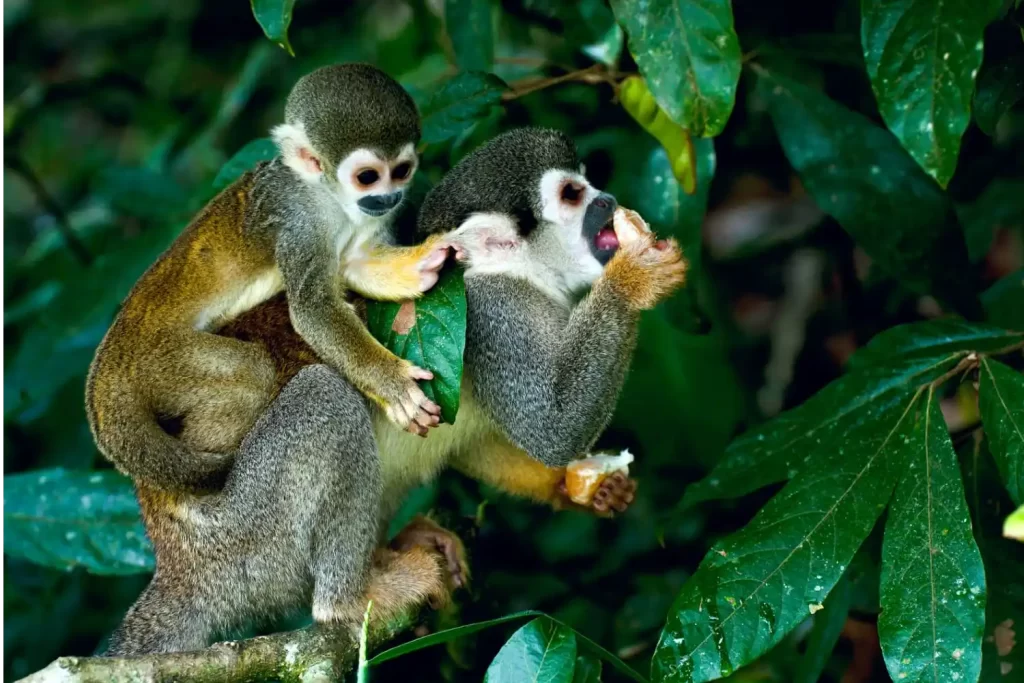
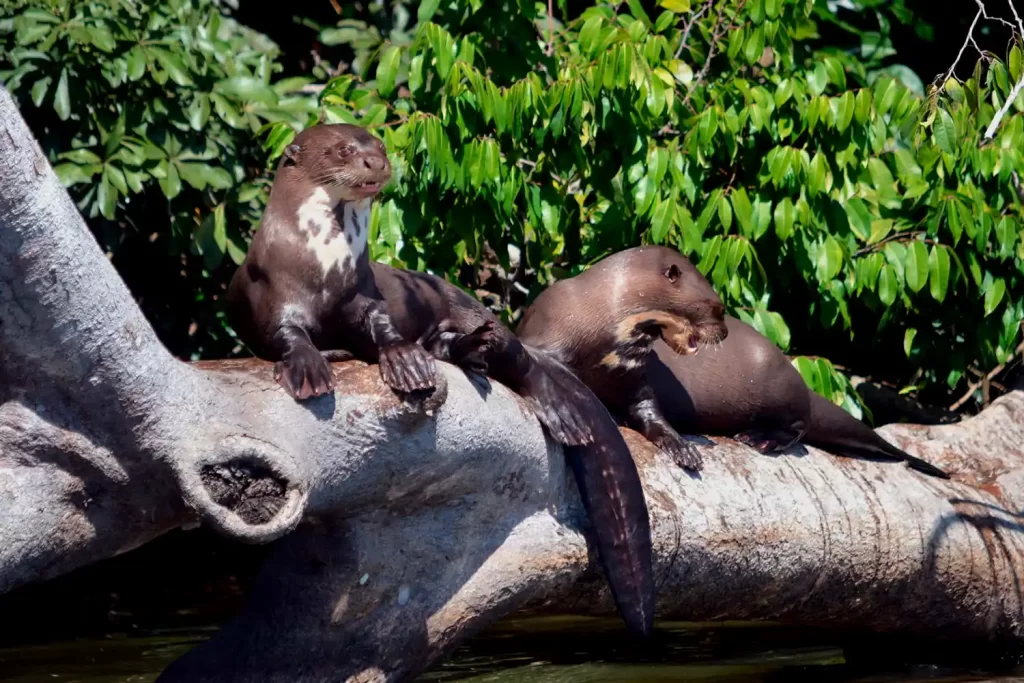
Manu also offers something Tambopata simply cannot: an altitude gradient in a single trip. You start in Cusco at 3,400 m (11,150 ft), descend through cloud forest, and end in lowland jungle at around 150 m (490 ft), passing through multiple ecosystems rather than flying directly into one. That range is a big part of why birding and mammal sightings in Manu, giant otters, jaguars along the riverbanks, and dense primate activity, tend to be so rewarding for travelers willing to put in the extra days. Our guide to animals of the Manu Amazon and our monkey species guide go deeper on what you can expect to see.
Where Tambopata Wins
Tambopata’s honest advantage is accessibility, and that matters more than travel writers often admit. A 45-minute flight to Puerto Maldonado followed by a short boat ride gets you into the jungle same-day, compared to Manu’s multi-day overland approach. That makes Tambopata a genuinely better fit for travelers with limited time, families with young kids, or anyone who would rather spend their days in the jungle than getting there.
It is not a downgrade on wildlife, either. Tambopata is home to Colpa Colorado, one of the largest macaw clay licks in the Amazon, plus reliable sightings of capybaras, caimans, and large parrot flocks. Trips also run shorter and cost less, since the logistics are simpler across the board. Our Tambopata National Reserve visitor guide covers what a typical itinerary there looks like.
Essential Travel Data
Puerto Maldonado and Tambopata sit at roughly 200 m (650 ft). Manu tours start in Cusco at 3,400 m (11,150 ft) and descend through cloud forest to around 150 m (490 ft) in the lowland zone.
Climate in both regions is tropical, humid, and hot, generally 25°C to 30°C (77°F to 86°F), though Manu’s cloud forest can drop to 10°C (50°F) at night during the overland crossing. The dry season, May to October, is the better window for both destinations, since trails are firmer and wildlife concentrates around shrinking water sources.
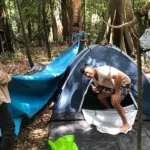
Difficulty differs meaningfully: Tambopata runs easy to moderate, with comfortable lodge stays throughout. Manu is moderate to challenging, with long transit days, early starts, and more rustic accommodations, covered in detail in our guide to camping in Manu.
Which One Should You Book?
If you have the days and the budget, Manu is worth choosing. The extra time buys you an altitude gradient, far fewer visitors, and wildlife encounters that feel earned rather than staged. Our 6-day, 5-night Manu Reserved Zone tour is the itinerary most travelers choose for this.
If you are short on either time or budget, Tambopata is not a consolation prize. It is a genuinely excellent Amazon experience in its own right, with strong wildlife viewing and far simpler logistics. If you want a taste of both, our Cusco to Puerto Maldonado jungle extension guide covers how to combine a shorter Amazon stop with a broader Cusco itinerary.
Preparing for Either Trip
Yellow fever vaccination is recommended before visiting either region, and any malaria prevention is prescription prophylaxis rather than a vaccine, so a consultation with a travel medicine clinic before your trip is the right move rather than relying on general advice.
If you’re heading to Manu overland, spend at least two days acclimatizing in Cusco before the crossing, since the route takes you back up over high mountain passes before descending; our guide on handling altitude sickness in Cusco covers how to prepare properly. For what to pack for either destination, our jungle packing checklist covers the essentials, including DEET-based repellent, lightweight long sleeves, and a good headlamp.
Both regions have strict luggage weight limits on lodges and boats, so pack light and leave anything you don’t need at your hotel or our Cusco office.
Ready to Choose Your Amazon Trip?
There is no wrong answer between Manu and Tambopata, only the trip that fits your time and travel style. If you want the deeper, more remote expedition, our 6-day, 5-night Manu Reserved Zone tour is the place to start, and our full Manu Reserved Zone guide covers everything else you need to plan it.
Frequently Asked Questions
Is Manu or Tambopata better for wildlife?
Both are excellent, but the encounters differ. Manu offers giant otters, jaguars, and dense primate activity across a bigger, less-visited area. Tambopata offers reliably strong sightings concentrated around its famous macaw clay licks.
Which is better for a short trip?
Tambopata. Its 45-minute flight and short boat transfer make it workable in 3 to 4 days, while Manu generally needs 5 to 8 days to be worth the overland journey.
Is Manu more expensive than Tambopata?
Generally yes, mainly due to longer transit and more days on the ground, not because the experience itself is more exclusive.
Is Tambopata a good choice for families?
Yes. Its shorter travel time and comfortable lodges make it easier on children than Manu’s longer overland route.
Do I need a vaccine to visit either region?
Yellow fever vaccination is recommended for both, and it’s worth discussing with a travel medicine clinic well before departure.
Can I visit both Manu and Tambopata on one trip?
It’s possible with enough time and budget, though most travelers choose one per trip given how different the logistics are.