


Salkantay Trek To Machupicchu 5 Days
Discover one of the 25 Best Treks in the World according to National Geographic — without permits, without crowds, and without breaking the bank. The Salkantay Trek 5 Days takes you from the glacial heights of the Vilcabamba Mountain Range (4,630 masl) through lush cloud forests, all the way to the ancient citadel of Machu Picchu. No permit required. Expert local guides. Best price guaranteed for 2026 & 2027.
 Locations Visited:
Salkantay Mountain, Hot Spring, Machu Picchu
Locations Visited:
Salkantay Mountain, Hot Spring, Machu Picchu
 Starting Altitude:
3700 masl = 12139 Pieds
Starting Altitude:
3700 masl = 12139 Pieds
 Highest Point:
4630 masl = 15190 Feet
Highest Point:
4630 masl = 15190 Feet
 Group:
Jusqu’à 16 – 20 personnes Maximum
Group:
Jusqu’à 16 – 20 personnes Maximum
 Physical Grading:
5/5
Physical Grading:
5/5
- We have competitive prices
- Fast customer service all the time
- Guaranteed lifetime experience
- We have social responsibility, we do social work


Itinerary
Salkantay Trek 5-Day Itinerary: Step by Step from Cusco to Machu Picchu
Day 01: Cusco – Mollepata – Humantay Lake – Soraypampa
Start your journey with high-altitude lagoons and sacred peaks.
4:30 AM – 5:00 AM – Pickup & Departure: Your adventure begins early. We will pick you up from your hotel to travel by private transport (approx. 3 hours) towards the trailhead.
Breakfast Stop: We arrive at Mollepata. Please note: The first breakfast is not included. We recommend ordering a local breakfast here to support the community businesses before we head into the mountains.
The Trek Begins: After a short 20-minute drive to Challacancha, we meet our horsemen and horses. They will carry the camping gear and food, allowing you to walk lighter. We hike for about 4 hours to Soraypampa, enjoying panoramic views of the Humantay (4,120 m) and Salkantay (6,271 m) mountains.
Lunch with a View: We enjoy a freshly prepared lunch at Soraypampa, surrounded by glaciers.
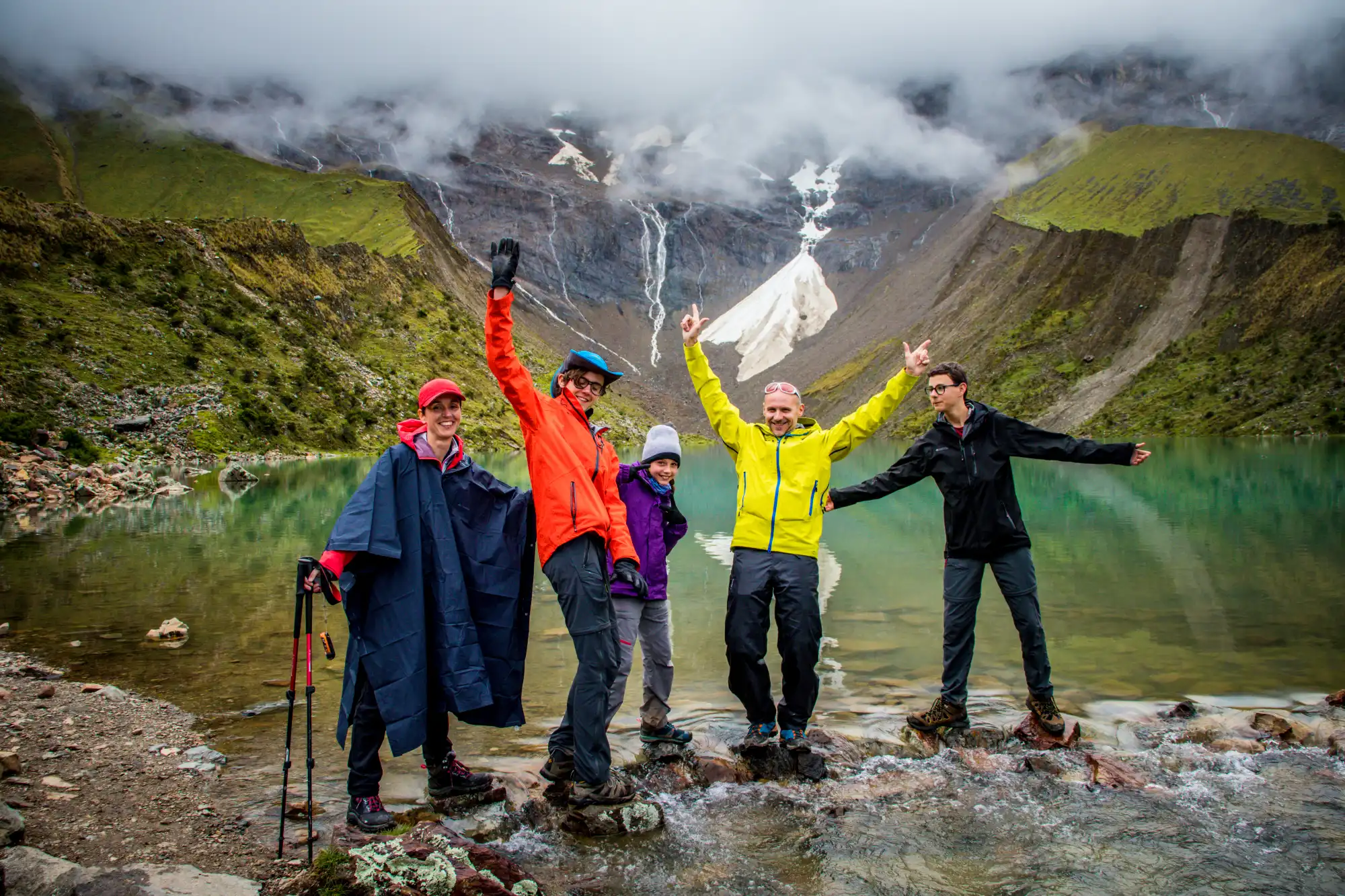
Hike to Humantay Lake: In the afternoon, we ascend (1.5 hours) to the spectacular turquoise Humantay Lake. After soaking in the views, we descend back to camp (1 hour).
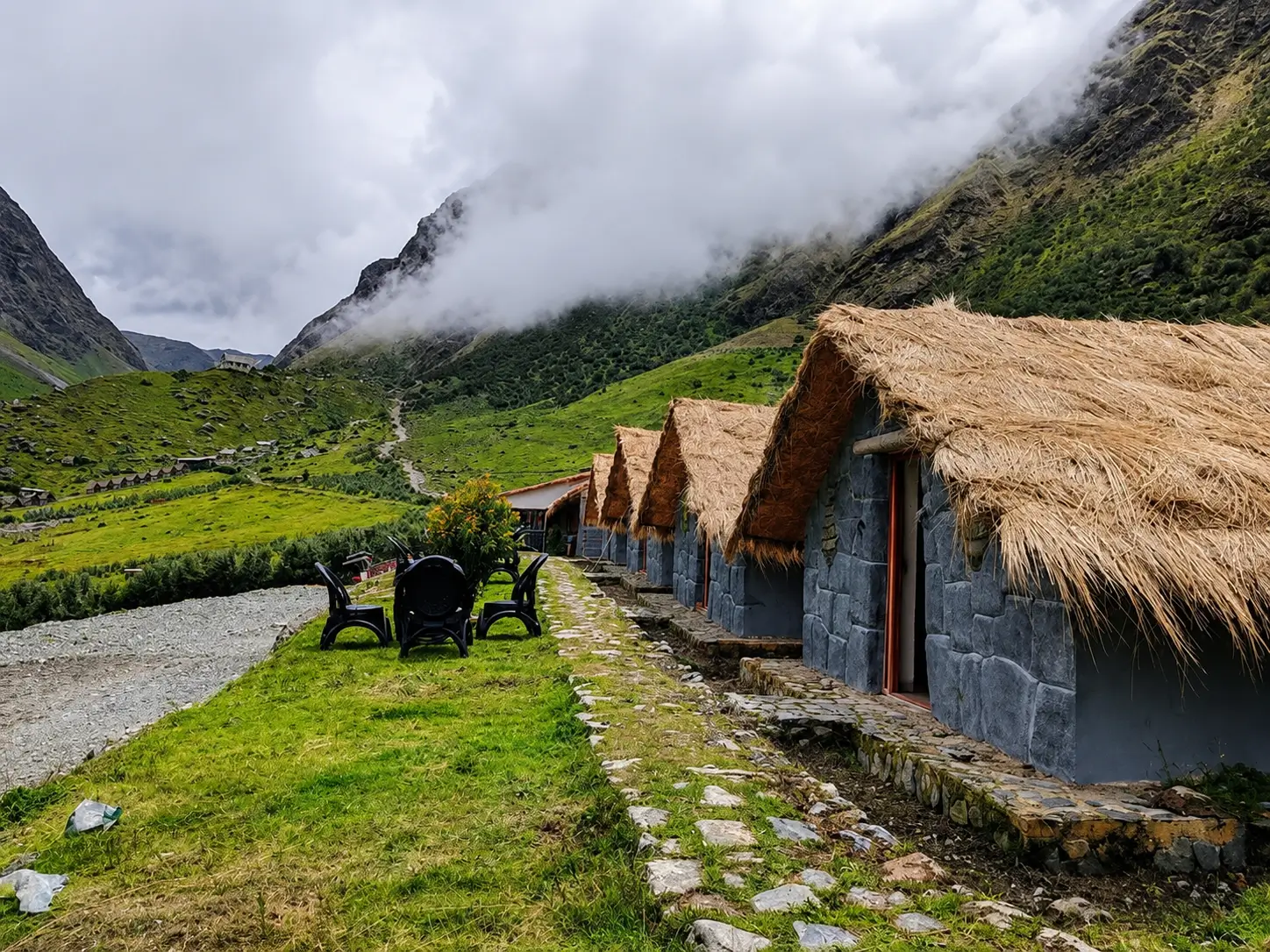
Overnight at Soraypampa: We camp at Soraypampa (3,800 m), the highest and coldest campsite of the trek. Temperatures can drop to -5°C (below zero), so prepare for a chilly but starry night.
BEAR IN MIND – DAY 1
- Walking Distance: 12 km (7.4 miles)
- Walking Hours: 4 hours + Humantay Hike
- Highest Point: Humantay Lake (4,200 masl / 13,779 ft)
- Campsite Altitude: 3,800 masl / 12,467 ft
- Weather: Cold / Windy
- Physical Grading: 3/5

Day 02: Soraypampa – Salkantay Pass – Cloud Forest
Conquer the summit of the Salkantay trail and descend into the jungle.
5:30 AM – Power Breakfast: We wake up early for a nutritious breakfast to fuel the most challenging day of the Salkantay trek 5 days 4 nights.
The Summit Push: We begin a 4-hour uphill trek to the Salkantay Pass (4,630 m). Located between two massive peaks—Salkantay and Tucarhuay—the views are breathtaking. Note: Snow or rain is possible here from Nov-Feb.
Andean Ceremony: At the top, your guide will perform a heartfelt ceremony to thank the Pachamama (Mother Earth), connecting you with Andean spirituality.
Descent to the Jungle: After resting and taking photos, we descend through the cloud forest to Huayracmachay for lunch.
Into the Green: We continue downhill towards the jungle brow. The landscape transforms dramatically; look out for waterfalls, parrots, hummingbirds, and orchids as we reach our warmer campsite.
Overnight at Chaullay: We camp at Chaullay (2,900 m), where the air is richer in oxygen and the climate is fresher.
BEAR IN MIND – DAY 2
- Walking Distance: 21 km (13 miles)
- Walking Hours: 9 to 10 hours
- Highest Point: Salkantay Pass (4,630 masl / 15,190 ft)
- Campsite Altitude: 2,900 masl / 9,514 ft
- Weather: Cold morning, moderate/fresh afternoon
- Physical Grading: 4/5

Day 03: Chaullay – The Jungle Valley – Santa Teresa Hot Springs
Tropical valleys, waterfalls, and a relaxing soak.
6:30 AM – Jungle Trek: After breakfast, we hike through the Santa Teresa valley. We cross the Lluskamayo River and pass small brooks, surrounded by tropical nature.
Flora & Fauna: During the 5 to 6-hour walk to Playa Sahuayacco, you will see coffee plantations, banana trees, palms, and maybe even taste some local tropical fruits.
Afternoon Relaxation (Optional): After a delicious lunch and rest at our campsite in La Playa, we take local transport (not included) to Santa Teresa.
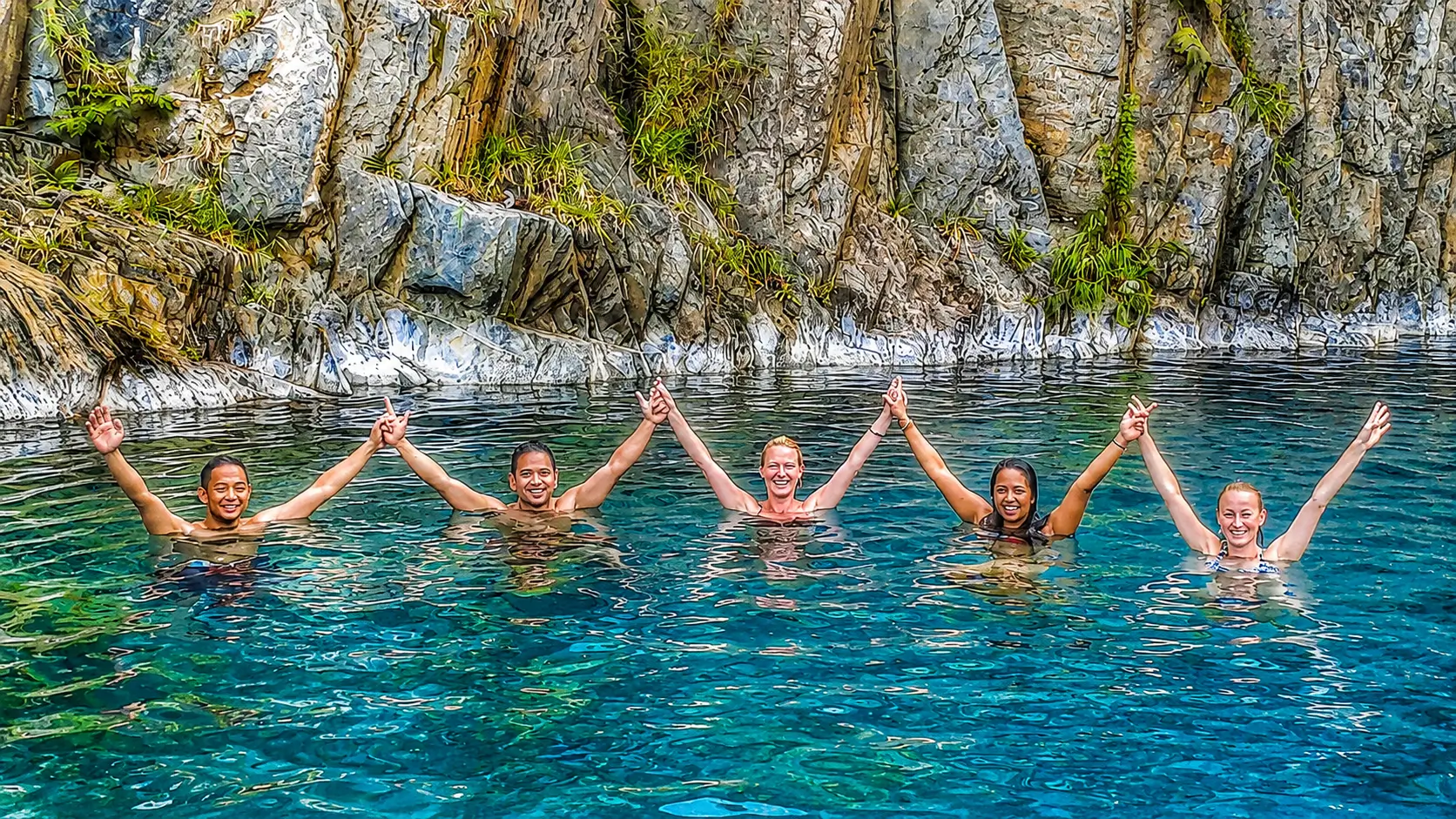
Hot Springs Visit: Here, you can visit the natural hot springs (Entrance fee: 10 Soles, not included). It is the perfect way to relax your muscles after days of hiking. We return to our campsite in the late afternoon for tea time and dinner.
BEAR IN MIND – DAY 3
- Walking Distance: 14 km (8.7 miles)
- Walking Hours: 5 to 6 hours
- Campsite Altitude: Playa Sahuayacco (2,064 masl / 6,771 ft)
- Highlights: Tropical vegetation, Optional Hot Springs
- Weather: Warm and Humid
- Physical Grading: 3/5
Day 04: Playa Sahuayaco – Llactapata (Inca Trail) – Aguas Calientes
Walk an original Inca Trail and get your first glimpse of Machu Picchu.
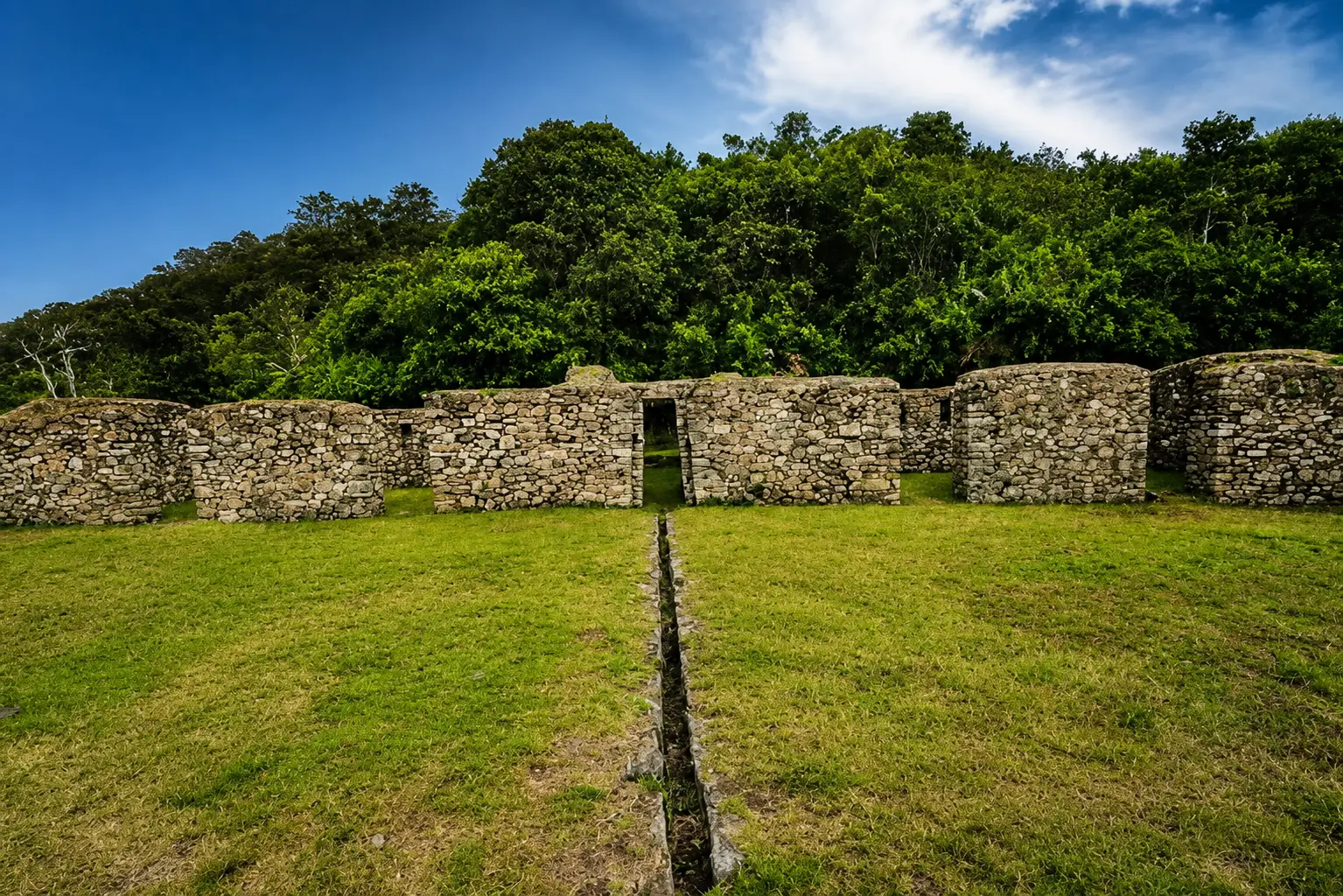
6:30 AM – The Inca Path: This day makes the 5-day trek unique. After breakfast, we hike uphill for 2 hours to visit Llactapata, an original Inca site located on a mountain ridge.
The Exclusive View: From Llactapata, you get a rare, panoramic view of Machu Picchu, Huayna Picchu, and Machu Picchu Mountain from across the valley. It is a magical, less-crowded perspective that most tourists never see.
Descent to Hidroelectrica: After exploring the ruins and learning their history, we descend for 2 hours to the Hidroelectrica station for lunch.
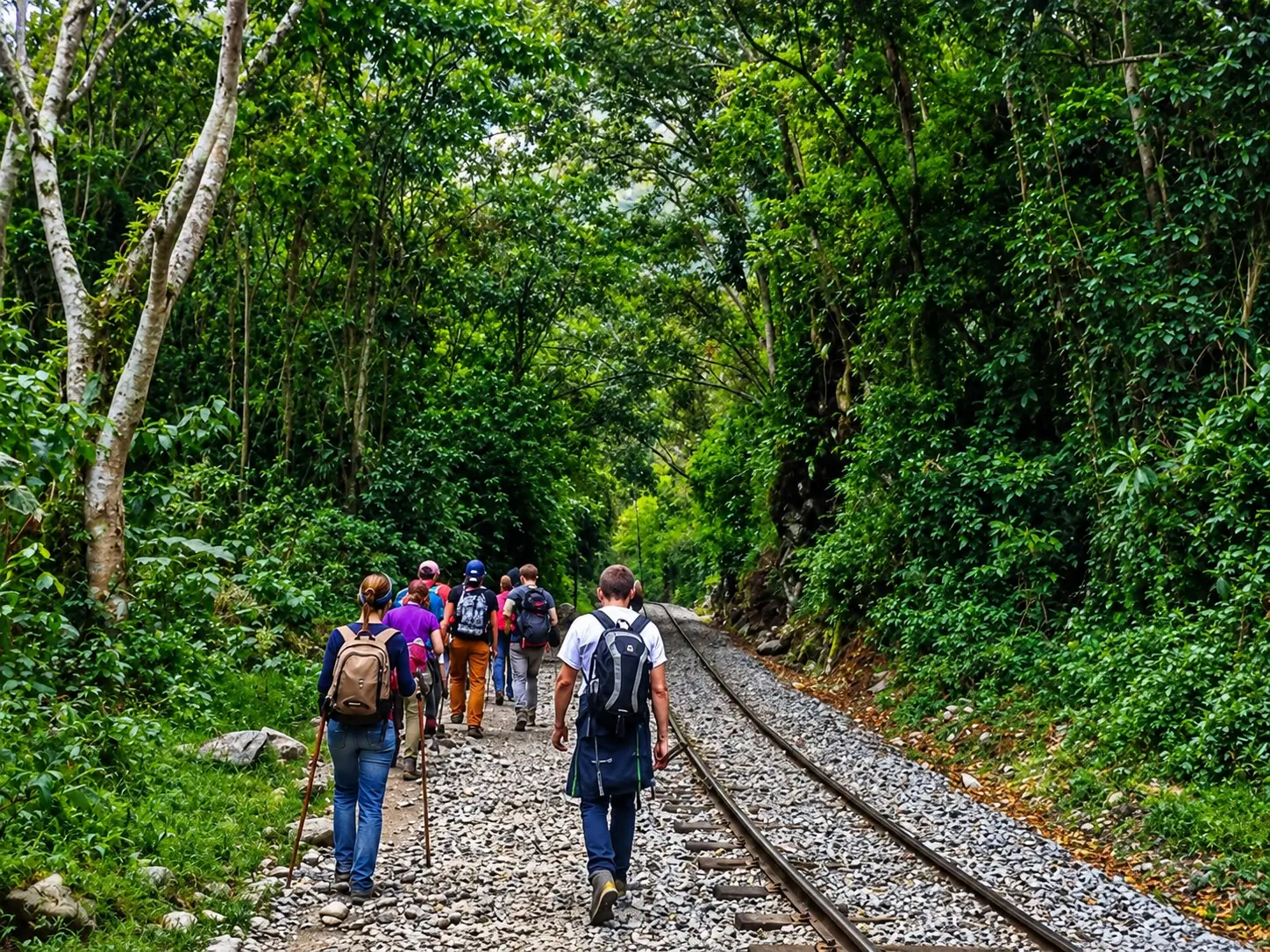
The Final Stretch: We walk the final leg along the train tracks (approx. 2.5 hours) through lush vegetation until we reach the town of Aguas Calientes.
Hotel & Dinner: We check into your hotel for a comfortable night. We enjoy a celebratory dinner at a local restaurant, where your guide will brief you on the big day tomorrow.
BEAR IN MIND – DAY 4
- Walking Distance: 18 km (11.18 miles)
- Walking Hours: 6 to 7 hours
- Highest Point: Llactapata (2,760 masl / 8,858 ft)
- Overnight: Hotel in Aguas Calientes (2,050 masl)
- Highlights: Llactapata Ruins, First view of Machu Picchu
- Physical Grading: 3/5
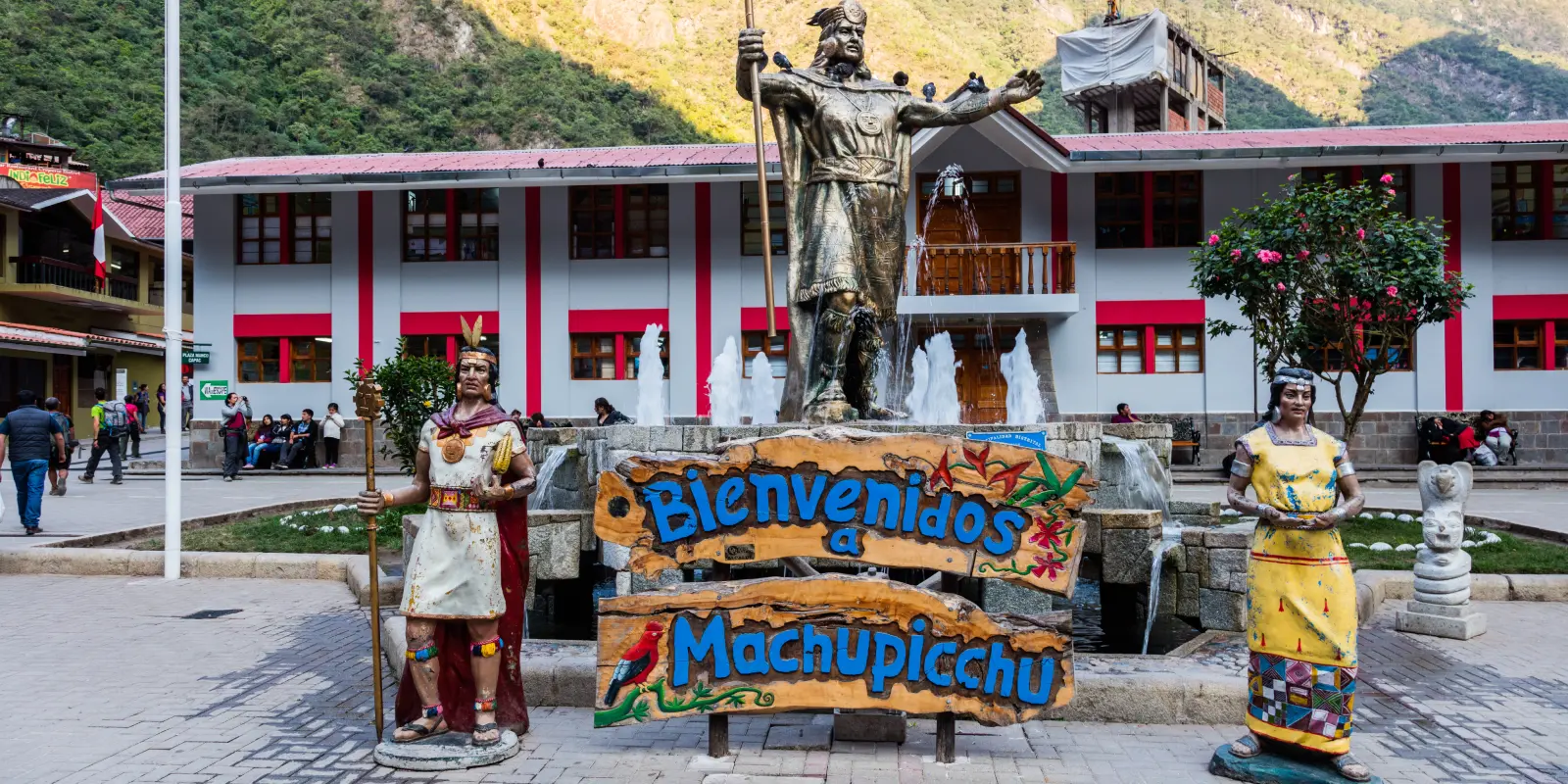
Day 05: Aguas Calientes – Machu Picchu – Cusco
The Lost City of the Incas awaits.
4:00 AM – 4:30 AM – Early Rise: We wake up before dawn to have breakfast at the hotel and beat the crowds.
Getting to the Citadel: You have two options to reach the entrance:
- Hike: A 1.5-hour uphill walk (free, but steep).
- Bus: A 25-minute ride starting at 5:30 AM (Cost: approx. $12 up / $12 down – not included).
6:00 AM – Sunrise at Machu Picchu: We enter the site just as it opens. If the weather permits, witnessing the sunrise over the citadel is a life-changing experience.
Guided Tour: Your guide will lead a 2.5-hour tour, explaining the mysteries, architecture, and history of this Wonder of the World. Afterwards, you will have time to explore on your own.
Optional Mountain Hikes (Must be booked in advance):
- Huayna Picchu: 45-minute steep climb (2,720 m).
- Machu Picchu Mountain: 1.5-hour climb to the top.
Return to Cusco: After your visit, return to Aguas Calientes for lunch (optional). You will then board the touristic train back to Ollantaytambo.
- Train departure: Between 2:55 PM and 9:50 PM (subject to availability).
Transfer: At Ollantaytambo, our driver will be waiting with a sign with your name to drive you back to Cusco.
Budget Note: If you are on a tight budget, ask us about the option to return via bus from Hidroelectrica instead of the train.
BEAR IN MIND – DAY 5
- Machu Picchu Altitude: 2,050 masl / 6,725 ft
- Activity: Guided Tour + Exploration
- Physical Grading: 2/5
- Weather: Humid and Hot
- Meals Included: Breakfast only
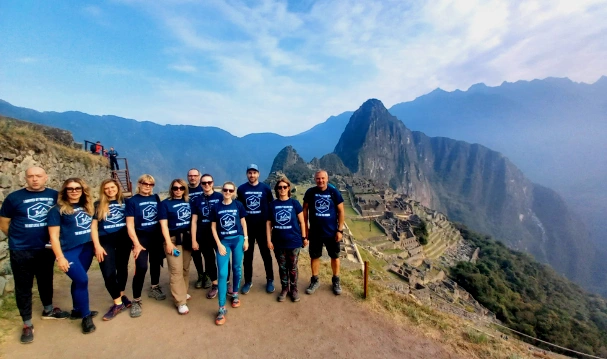
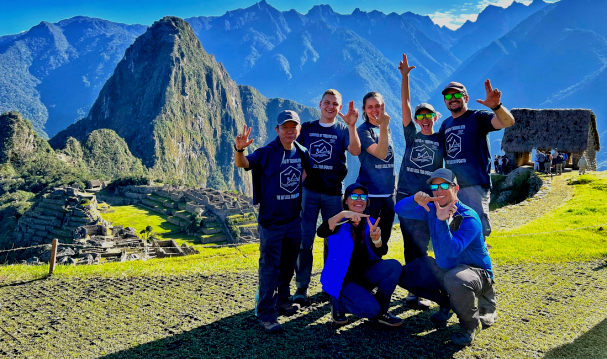
Why Choose the 5-Day Salkantay Trek?
The Salkantay Trek To Machu Picchu 5 Days allows you to slow down and truly absorb the magic of the Andes. The inclusion of the Llactapata Inca Trail on Day 4 gives you a historical context and a visual preview of the citadel that the shorter treks simply cannot offer.Ready to walk in the footsteps of the Incas? Don’t just visit Peru—experience it. Contact us today to reserve your space on the Salkantay trail.
Map
Salkantay Trek Route Map: Distances, Altitude & Key Highlights
Follow the complete Salkantay Trek route on our interactive map: from the trailhead at Mollepata to the Sun Gate of Machu Picchu. Track daily distances, altitude changes, and key stops including Soraypampa, Humantay Lake, Salkantay Pass (4,630 masl), and Aguas Calientes. Understanding the route before you go makes all the difference.

Inclusions
INCLUDES:
- Bilingual and certified Tour Guide
- A briefing about the trek with your guide the day before
- Pick up from your accommodation in Cusco
- Private transportation to go to the Trail Head
- Andean ceremony, offering to the mother earth on the Salkantay Pass
- Entrance tickets to Machu Picchu
- Guided Tour in MachuPicchu
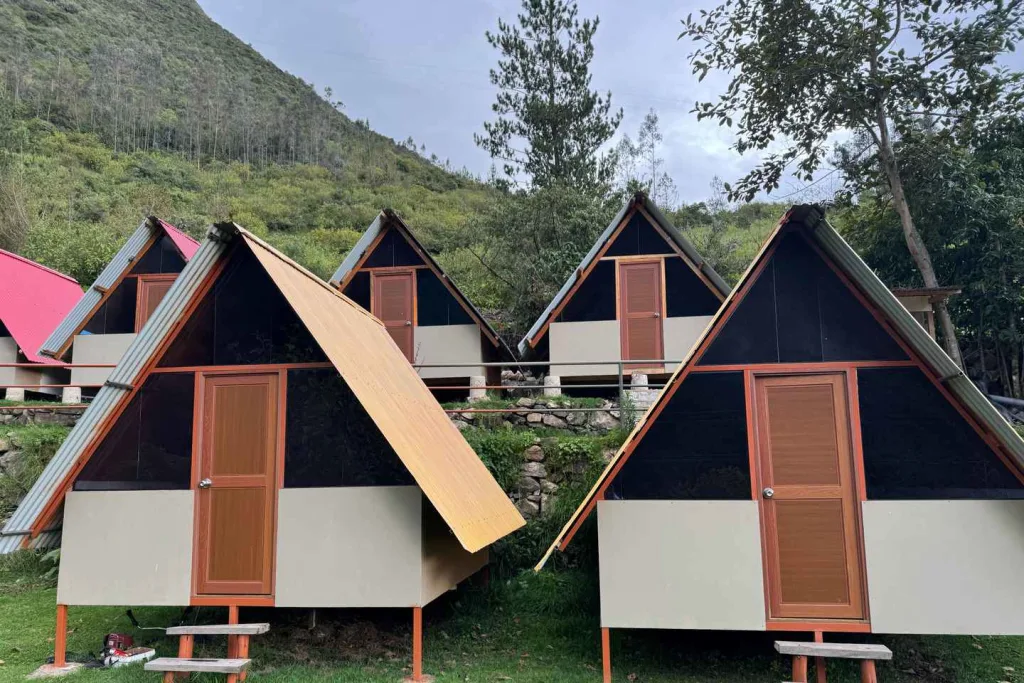
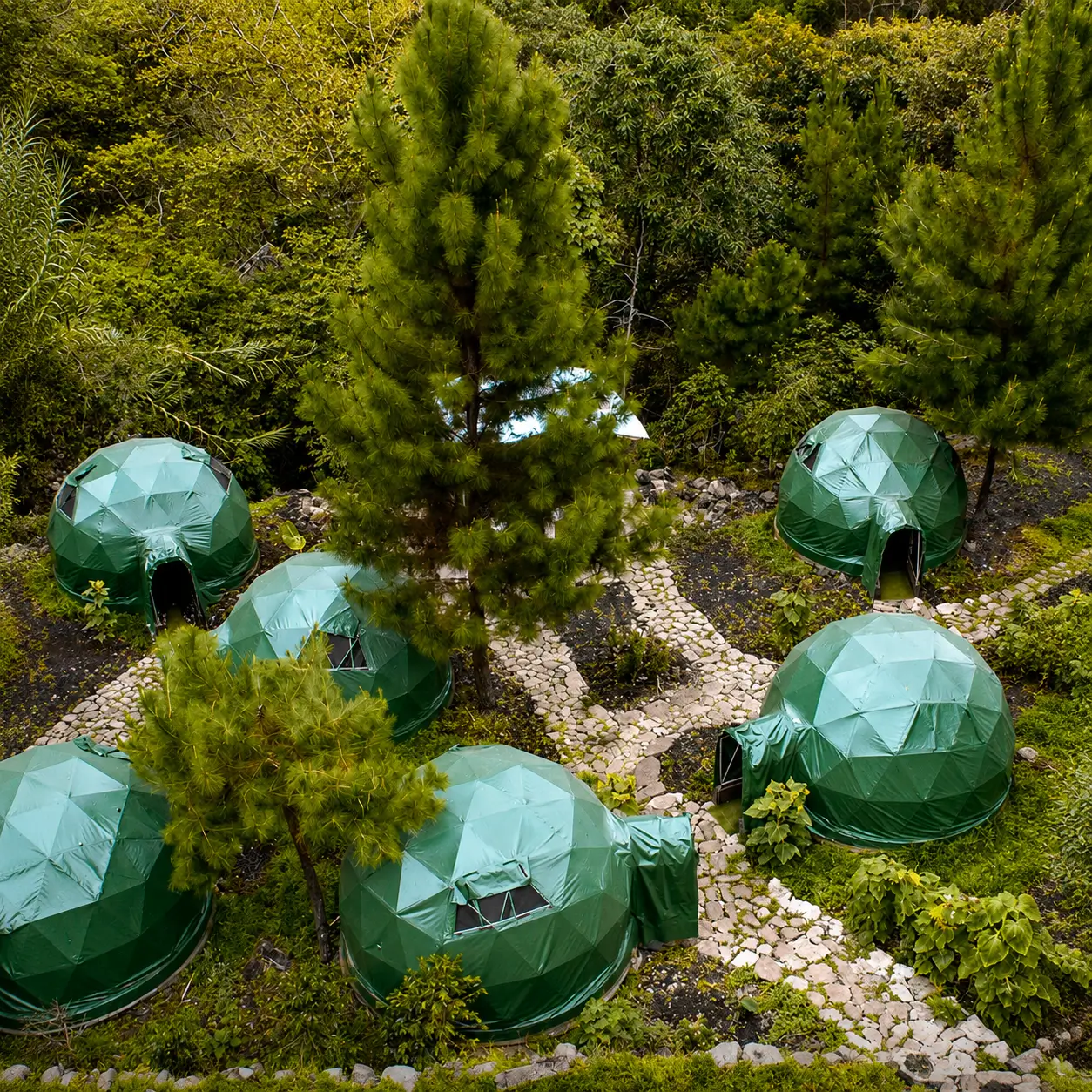
- 1st night in our glass igloo camping, 2nd night in our andean huts camping, 3rd night in our skey Capsules and the 4th night in a Hotel in Aguas Calientes
- A duffel bag where you can put inside 05 kilos from your personal stuff including your sleeping bag (it will be carry by the horses or mules until Hidroelectrica)
- Pick up from Hidroelectrica to back to Cusco, transports leaves in between 14h00 to 14h30 (Returning by bus)
- Train ticket to Ollantaytambo (if you book this trek returning by Train)
- Pick up from Ollantaytambo to back to Cusco (If you book this trek returning by Train)
- Confortable Mattresses in each campsite
- 3 Meals per day during the trek (food served in a buffet style)
- Professional Cook
- Availability of meals to your preference (vegetarian, vegan, gluten free, pesquetarian, etc)
- First Aid Kit, with Oxigen ballon.
- A Survivor T – shirt, for each member of the group
DOESN’T INCLUDES:
- Entrances fees to the Natural hot spring of Santa Teresa (10 soles per person)
- Transport to go to the Natural hotspring of Santa Teresa (round trip cost around 40 soles per person)
- Entrance fees to Waynapicchu Mountain or Mountain Machu Picchu. (it has an extra cost of 70 dollars per person) If you want to visit one of these mountain and back to Cusco by bus from Hidroelectrica you have to stay an extra night in Aguas Calientes or take the train to back to Cusco the same 5th day. This to have enough time to visit MachuPicchu and one of these mountains.
- Sleeping bags (you can rent from us which cost 20 dollars for a professional one, which can support until -15 degrees celcius or 5 degrees farenheit)
- Walking sticks (you can rent from us which cost 20 dollars for a professional black diamond pair)
- Mineral Water (you can buy bottle of mineral water in every campsite)
- First Breakfast and last lunch and dinner
- Bus up and down from Aguas Calientes to Machu Pichu (Round trip bus cost 24 dollars but just one way cost 12 dollars)
Tips for the team (Is not obligatory but if you wish to do it, it will be welcome)
packing list
Salkantay Trek Packing List: What to Bring for 5 Days of Camping
- Original Passport
- A valid student card if you book this trek as student (25 years old as máximum)
- Travel Insurance card (This is just a recommendation)
- Day Pack
- Rain coat or Rain Poncho
- Cold Clothes (For the first and Second day)
- Trekking shirts and trekking pants
- Waterproof hiking shoes
- Bottle of Water
- Flash Light
- Toilet Paper
- Sun Block
- Sun Glasses
- Caps or Hats
- Gloves (for the first and second day)
- Insect Repellent (30% DEET Recommended)
- Sleeping Bags
- Walking sticks
- Camera with extra batteries
- Extra money especially in soles to buy thing along the trek
Price
Salkantay Trek Low Cost Price 2026 & 2027 – What’s Included
SALKANTAY 5D/4N LOW COST RETURNING BY BUS FROM HYDROELECTRIC
- 295 USD STUDENT
- 315 USD ADULT
SALKANTAY 5D/4N LOW COST RETURNING BY TRAIN
- 365 USD STUDENT
- 385 USD ADULT
IF YOU WANT TO BOOK THIS TREK AS A STUDENT, PLEASE YOU HAVE TO KNOW THE FOLLOWING INFORMATION:
STUDENT PRICE:
To have a student price you have to comply with the following rules of the Peruvian government since we get the discount at the time of buying the Machu Picchu tickets from the Peruvian government. The Peruvian Government has 02 rates for foreigners that are ADULT / STUDENT.
TO ACCESS THE STUDENT RATE YOU MUST COMPLY WITH THE FOLLOWING:
The student card must be an original student ID given from the university in PVC material. It must have been printed on the cardUniversity Information, Student name It must have a valid expiration date / valid only for one year if you visit Machu Picchu in 2023 the expiration date must be 2023 or 2024 If is more of that this is not Valid, Discount for students, not more than 25 years old.
ISIC cards are not valid for the discount
If you meet these requirements, send us a photo of your student ID to this email at the time that you are booking the tour to buy tour Machu Picchu tickets as a student: [email protected]
If you do not meet the requirements, it is better to buy the trek as an adult because if you buy your Machu Picchu tickets with the student rate without meeting the requirements, they will not let you enter the Inca citadel of Machu Picchu for not meeting the requirements. that the Peruvian government requires since Machu Picchu is administered by the Peruvian government.
Travel Info
Salkantay Trek from Cusco: Difficulty, Best Season & Booking Tips
How Difficult Is the Salkantay Trek? (Honest Assessment)
The Salkantay Trek is rated moderate to challenging, making it achievable for most reasonably fit hikers — but it demands respect. The most demanding section is Day 2: the Salkantay Pass at 4,630 masl (15,190 ft), where thinner air, cold winds, and steep ascent combine to test even experienced trekkers.
Difficulty breakdown by day:
| Day | Section | Distance | Difficulty |
|---|---|---|---|
| Day 1 | Cusco → Soraypampa | 16 km | Moderate |
| Day 2 | Soraypampa → Salkantay Pass → Chaullay | 22 km | Hard |
| Day 3 | Chaullay → Santa Teresa | 18 km | Moderate |
| Day 4 | Santa Teresa → Aguas Calientes | 14 km | Easy–Moderate |
| Day 5 | Aguas Calientes → Machu Picchu | 4 km | Easy |
What makes it challenging:
- Rapid altitude gain on Day 2 (start at 3,900m, summit at 4,630m)
- Sub-zero temperatures at the pass in the early morning
- Long hiking days (5–8 hours of walking)
- Steep descents into the cloud forest that test knees
What makes it achievable:
- No permit required — no pressure to rush
- Professional guides manage the pace
- Pack animals carry your gear (max 5–7 kg personal duffel)
- Rest days can be added if needed
Local Trekkers Tip: If you hike regularly (30–60 min walks, 3–4x per week) and spend at least 2 full days acclimatizing in Cusco before the trek, you will complete it comfortably.
Altitude Sickness on the Salkantay Trek — Symptoms, Prevention & Treatment
Altitude sickness (known locally as soroche) is the #1 concern for trekkers, and for good reason: the trail starts at 3,900 masl and peaks at 4,630 masl. The good news is that with proper preparation, most hikers complete the trek with minimal symptoms.
Common symptoms to watch for:
- Headache (most common)
- Nausea or vomiting
- Fatigue and shortness of breath
- Dizziness or poor concentration
- Sleep disturbances
Symptoms can appear within 6–10 hours of ascending too quickly and are more common in travelers arriving directly from sea level.
Prevention checklist:
- Spend a minimum of 2–3 days in Cusco (3,400m) before the trek — ideally in the Sacred Valley (2,800m) which is lower
- Drink 3–4 liters of water per day on the trail
- Drink coca leaf tea (mate de coca) — widely available and traditionally used for altitude relief
- Walk slowly — the Quechua saying is “poco a poco” (little by little)
- Avoid alcohol for the first 48 hours in Cusco
- Consider Soroche pills (available at any Cusco pharmacy) or consult your doctor about Diamox before traveling
- Eat light, carbohydrate-rich meals on high-altitude days
If symptoms appear:
- Stop and rest immediately — never push through severe symptoms
- Descend if headache, nausea and confusion worsen simultaneously
- Our guides carry supplemental oxygen on every trip
Best Time to Do the Salkantay Trek — Month by Month Guide
The Salkantay Trek is open year-round (unlike the Inca Trail, which closes every February), but the experience varies significantly by season.
| Month | Season | Conditions | Recommended? |
|---|---|---|---|
| January | Wet | Heavy rain, lush scenery, uncrowded | With caution |
| February | Wet | Heaviest rains, muddy trails | Not ideal |
| March | Wet | Rain easing, vibrant green landscapes | With caution |
| April | Transition | Mild rain, fewer crowds, great value | Good |
| May | Dry | Clear skies, comfortable temps | Excellent |
| June | Dry | Peak season begins, perfect weather | Best |
| July | Dry | Most popular month, sunny days | Best |
| August | Dry | Reliable weather, still busy | Best |
| September | Dry | Fewer crowds than July/Aug | Excellent |
| October | Transition | Pleasant weather, value prices | Good |
| November | Wet | Rain starts, emerald scenery | With caution |
| December | Wet | Increasing rain, festive atmosphere | With caution |
Temperature ranges by zone:
| Zone | Daytime | Nighttime |
|---|---|---|
| Soraypampa (Day 1 camp, 3,900m) | 10–15°C | -2 to 5°C |
| Salkantay Pass (4,630m) | 0–8°C | Sub-zero |
| Chaullay / cloud forest (2,900m) | 18–24°C | 10–14°C |
| Santa Teresa / Aguas Calientes | 22–28°C | 14–18°C |
Our recommendation: Book for May, June, September, or October — you get the best weather with fewer crowds and better prices than peak July–August.
Salkantay Trek vs. Inca Trail — Which Is Right for You?
This is one of the most searched comparisons in Peruvian trekking. Both routes end at Machu Picchu, but they offer very different experiences.
| Feature | Salkantay Trek | Inca Trail |
|---|---|---|
| Distance | 74 km (5 days) | 42 km (4 days) |
| Max altitude | 4,630 masl | 4,215 masl |
| Permit required | No | Yes |
| Permit availability | Year-round, easy | Sells out 6–8 months ahead |
| February access | Open | Closed |
| Crowd level | Low–Moderate | High |
| Scenery type | Glaciers + cloud forest + jungle | Mountain passes + Inca ruins |
| Inca ruins on route | Llactapata (distant view) | Multiple (Wiñay Wayna, etc.) |
| Wildlife | More likely (condors, bears, deer) | Moderate |
| Accommodation options | Camping, domes, lodges (flexible) | Camping only |
| Avg. low-cost price | From $USD 350 | From $USD 550+ |
| Last-minute booking | Possible | Very difficult |
| Best for | Nature lovers, budget travelers, flexible planners | History buffs, “bucket list” seekers |
Choose the Salkantay Trek if you:
- Want dramatic, diverse landscapes from glaciers to jungle in one trip
- Need flexibility — no permits means you can book with weeks’ notice
- Prefer a lower-cost, high-quality experience
- Want fewer crowds on the trail
- Value wildlife encounters and ecological variety
Choose the Inca Trail if you:
- Are focused on Inca history and archaeological sites
- Have booked 6–12 months in advance
- Want the iconic Sun Gate entry to Machu Picchu
Wildlife & Ecosystems You’ll Encounter on the Salkantay Trek
One of the Salkantay Trek’s most underrated highlights is the extraordinary biodiversity you pass through. In 5 days, you cross 3 distinct ecosystems, each with unique flora and fauna.
The 3 ecological zones:
Zone 1 — High Andean Puna (Days 1–2, 3,900–4,630m) Sparse vegetation, glacial landscape, dramatic open sky. Look for:
- Andean Condor (Vultur gryphus) — the world’s largest flying bird, often soaring above the pass
- Vicuña — wild relative of the llama
- Andean Fox
- Puna grass (Ichu) and cushion plants
Zone 2 — Cloud Forest (Day 3, 2,000–3,000m) Misty, moss-draped trees, orchids, ferns. Look for:
- Spectacled Bear — South America’s only bear species
- Hummingbirds (multiple species)
- Glass-wing butterflies
- Orchids (Peru has over 3,000 species)
- Bromeliads and tree ferns
Zone 3 — Subtropical Jungle (Day 4, 1,500–2,000m) Warm, humid, lush. Look for:
- Parrots and macaws
- Tropical fruit plantations (banana, coffee, cacao)
- Coca leaf plants
- Multiple waterfalls
The Salkantay sees significantly less foot traffic than the Inca Trail, which means wildlife encounters are more frequent — especially in the cloud forest section where spectacled bears have been spotted by our groups.
What’s Included (and Not Included) in the Low Cost Salkantay Trek
Transparency matters. Here’s exactly what you get with Local Trekkers Peru’s Low Cost package and what you should budget for additionally.
INCLUDED:
- Transportation: Cusco → Mollepata (Day 1) and Aguas Calientes → Cusco (Day 5)
- Professional bilingual guide (MINCETUR-certified)
- Cook and kitchen team
- All meals during the trek: breakfasts, lunches, and dinners (Days 1–4) except the first breakfast and las lunch and dinner
- Camping equipment: dome tents, sleeping mats, dining tent, kitchen equipment
- Pack horses/mules to carry group equipment
- Machu Picchu entry ticket, depending on availability
- First aid kit and supplemental oxygen
NOT INCLUDED:
| Item | Estimated Cost |
|---|---|
| Sleeping bag (rental available) | $20–30 USD |
| Trekking poles (rental available) | $20–30 USD |
| Personal travel insurance | Variable |
| Tips for guide, cook & porters | $30–50 USD recommended |
| Extra snacks and personal drinks | $10–20 USD |
| Hot springs at Santa Teresa (Day 3) | $5–8 USD |
| Extra night in Aguas Calientes (optional) | $25–60 USD |
| Personal medications | Variable |
How to Get to the Salkantay Trek Starting Point from Cusco
The trek starts at Mollepata / Challacancha (trailhead), approximately 3 hours from Cusco. Here’s how logistics work:
With Local Trekkers Peru (recommended):
- Pickup from your hotel in Cusco between 4:30–5:00 AM on Day 1
- Private transportation to Mollepata for breakfast
- Onward to Challacancha (trailhead, 2,900m) — no extra cost, all included
Getting to Cusco:
- From Lima: Daily direct flights (1h 20min) — fly in at least 2–3 days early for acclimatization
- From Arequipa: 10h bus or 1h flight
- International travelers: Most fly into Lima (Jorge Chávez Airport) then connect to Cusco (Alejandro Velasco Astete Airport)
Arriving in Cusco — acclimatization tips:
- Do NOT book the trek to start on the day you land in Cusco
- Spend nights 1–2 resting, walk gently, eat light
- Day 3: short hike in the Sacred Valley to test your body
- Day 4 onward: ready to trek
Book at least 2–3 days of Cusco accommodation before your trek start date. The Sacred Valley (Pisac, Urubamba) at 2,800m is an even better acclimatization option — lower than Cusco and equally accessible.
Do I Need a Permit for the Salkantay Trek?
No — the Salkantay Trek requires no hiking permit. This is one of its biggest advantages over the Classic Inca Trail.
| Requirement | Salkantay Trek | Inca Trail |
|---|---|---|
| Trail permit | Not required | Required (sells out fast) |
| Machu Picchu entry ticket | Required | Required |
| Guided tour (legally required) | Optional (but strongly recommended) | Mandatory |
| Advance booking needed | Weeks ahead (flexible) | 6–12 months ahead |
About the Machu Picchu entry ticket:
- Tickets are sold online in advance at the official portal
- Daily visitor limits apply — tickets can sell out weeks ahead in peak season
- We include the Machu Picchu ticket in all our packages
- Two circuits are available for the 5-day route: Circuit 2 or Circuit 3 (both cover the main highlights)
When you book with Local Trekkers Peru, we handle ALL ticketing logistics — Machu Picchu entry, bus tickets, and any required documentation. You just hike.
Physical Training — How to Prepare for the Salkantay Trek
You don’t need to be an elite athlete, but arriving fit makes a huge difference in how much you enjoy the experience. Here’s a practical 4-week preparation plan:
4 weeks before the trek:
| Week | Focus | Activities |
|---|---|---|
| Week 1 | Aerobic base | 3x 45-min walks or light jogs, flat terrain |
| Week 2 | Endurance | 2x 60-min hikes with elevation gain (stairs, hills) |
| Week 3 | Load training | Hike with a 5–7 kg daypack, 2–3 hours |
| Week 4 | Taper | Light activity, focus on rest and sleep |
Key areas to strengthen:
- Quads and hamstrings — for steep ascents and descents
- Cardiovascular endurance — for the altitude and long days
- Ankles and knees — uneven terrain is constant; do stability exercises
- Core — helps with balance on rocky sections
If you’re short on time:
- Even 2 weeks of daily 45-minute walks at a brisk pace will significantly improve your experience
- Start sleeping with good hydration 1 week before departure
- Get your hiking boots properly worn-in before the trek — never use brand-new boots on Day 1
Salkantay Trek — Group Size, Age Limits & Who Can Do It
Minimum age: No strict age limit, but we recommend a minimum of 12 years old for the 5-day Low Cost option due to the physical demands and altitude.
Maximum age: There is no upper limit — we have successfully guided trekkers in their 60s and 70s. Fitness level and health matter far more than age. A medical check-up is recommended for trekkers over 60 or with pre-existing conditions.
Group sizes with Local Trekkers Peru:
| Group Type | Size | Experience |
|---|---|---|
| Small group (shared) | 6–16 people | Social, cost-effective, mix of nationalities |
| Private group | 2–5 people | Flexible pace, personalized attention |
| Solo traveler | Joins a shared group | Great way to meet like-minded travelers |
Who does the Salkantay Trek?
- Adventure travelers aged 20–45 represent the majority
- Couples and friend groups are very common
- Solo travelers frequently join shared departures
- Families with fit teenagers
- Trekkers who missed an Inca Trail permit
Health conditions to discuss with us before booking:
- Heart or respiratory conditions
- Previous episodes of altitude sickness
- Pregnancy
- Recent surgeries or joint injuries
When in doubt, consult your doctor and let us know your health background — we customize the pace and route support based on your group’s needs.
FAQs
Frequently Asked Questions About the Salkantay Trek to Machu Picchu
Absolutely — and the numbers back it up. National Geographic named the Salkantay Trek one of the 25 Best Treks in the World, and it consistently ranks as the most popular alternative to the Inca Trail for a reason: it delivers more ecological diversity, higher dramatic scenery, and a deeply personal sense of achievement — all without a permit queue.
In 5 days you cross three completely different ecosystems: glacial high Andes, cloud forest, and subtropical jungle. You arrive at Machu Picchu having earned every step. Travelers who’ve done both routes frequently say the Salkantay scenery — especially the view from the 4,630m pass with Apu Salkantay towering above — is more dramatic than anything on the Inca Trail.
Short answer: If you’re reasonably fit, prepared for altitude, and want one of the most rewarding experiences Peru has to offer — yes, it is 100% worth it.
The Salkantay Trek is rated moderate to challenging. It is not a beginner hike in the traditional sense, but it is absolutely achievable for first-time multi-day trekkers who prepare well.
The hard part: Day 2 — crossing the Salkantay Pass (4,630 masl). You gain significant altitude quickly, the air is thin, and the descent afterward (dropping ~1,700m to Chaullay) is long and hard on the knees. Most trekkers say this is the hardest single day of hiking they’ve ever done — and also the most rewarding.
What makes it manageable for beginners:
- Pack animals carry your main gear — you only carry a daypack (5–8 kg)
- Professional guides control the pace — poco a poco is the rule
- No permits or time pressure — the route isn’t rushed
- Days 3–5 are progressively easier as you descend
Honest fitness benchmark: If you can walk briskly for 3 hours carrying a light pack without stopping, and you spend 2–3 days acclimatizing in Cusco first, you will complete this trek.
Price varies significantly based on the operator, group size, and service level. Here’s an honest market breakdown:
| Service Level | What’s Included | Avg. Price per Person |
|---|---|---|
| Low Cost / Budget | Camping, all meals, guide, cook, pack animals, Machu Picchu ticket | $350–$450 USD |
| Mid-range | Camping + some lodge nights, upgraded meals | $500–$700 USD |
| Premium / Glamping | Dome lodges, glass cabins, hot showers, gourmet meals | $800–$1,200 USD |
| Inca Trail (comparison) | Camping only, all meals, mandatory guide, permit | $550–$900 USD |
With Local Trekkers Peru’s Low Cost package, you get a fully guided, all-inclusive experience — meals, camping gear, Machu Picchu entry, and professional guide — at the budget end of the market.
2026 & 2027 pricing tip: Book early for peak season (June–August) as spots fill up and some operators raise prices. Shoulder season (April–May, September–October) offers the same experience at better value.
No — the Salkantay Trek does not require a hiking permit. This is one of its biggest advantages over the Classic Inca Trail, which requires government-issued permits that sell out 6–12 months in advance.
What IS required:
- Machu Picchu entry ticket — purchased through Peru’s official Ministry of Culture portal. Daily limits apply; we handle this for you.
- Bus ticket Aguas Calientes ↔ Machu Picchu — also included in our package
The absence of a permit cap means the Salkantay Trek can be booked weeks rather than months in advance, and departures run year-round (the Inca Trail closes entirely every February for maintenance — the Salkantay does not).
Yes — solo travelers are very welcome, and it’s one of the best treks in South America for solo adventure. You join a small shared group (typically 6–16 people), which means you hike with like-minded travelers from around the world and never feel alone on the trail.
Is it safe to do the Salkantay Trek solo? Solo female travelers in particular report feeling safe and well-supported throughout. Other solo hikers, including solo female travelers, frequently describe the freedom of setting their own pace, and note that there are multiple other trekkers on the trail at any given time.
Practical solo travel tips:
- Book a shared group departure — instant community, lower cost
- Arrive in Cusco 2–3 days early to acclimatize and meet fellow trekkers
- Travel insurance is strongly recommended for solo travelers
- Our guides carry first aid kits and supplemental oxygen on every departure
Some of the best friendships formed on the Salkantay Trek start as strangers on Day 1 of a shared group.
The dry season from May to October is universally considered the best time for the Salkantay Trek. Within that window, the sweet spots are:
Best overall: May, June & September
- Clear skies, stable trail conditions, comfortable daytime temperatures
- Fewer crowds than July–August
- Better value pricing
Peak season: July & August
- Most reliable weather, but busiest and coldest nights at camp
- Book 4–6 weeks ahead for peak season departures
Shoulder season: April & October
- Occasional rain, but far fewer trekkers
- Lush green landscapes from recent rains
- Excellent value
Rainy season (November–March): Possible but not ideal — trails are muddier, views are sometimes obscured, and the experience is more physically demanding. The wet season brings frequent rain that can make the trail more slippery and challenging, though the surroundings turn lush and vibrant with a unique photogenic scenery.
February: Still operational (unlike the Inca Trail, which closes) but the wettest month — not recommended.
Altitude sickness (soroche) is real, and the Salkantay Trek reaches 4,630 masl on Day 2. The good news: with the right preparation, most trekkers complete the route with only mild symptoms.
The single most important thing you can do: Spend a minimum of two to three days in Cusco or the Sacred Valley before heading to the mountain — a sudden ascent from sea level without prior rest drastically increases the risk of severe Acute Mountain Sickness.
Full prevention protocol:
| Action | When |
|---|---|
| Arrive in Cusco 2–3 days before trek | On arrival |
| Rest and walk gently on Day 1–2 in Cusco | First days |
| Drink 3–4L of water daily | Throughout |
| Drink coca leaf tea (mate de coca) | In Cusco + on trail |
| Take Soroche pills (pharmacy in Cusco) | Night before + Day 2 |
| Consider Diamox (consult your doctor) | Before traveling |
| Avoid alcohol first 48 hours in Cusco | Pre-trek |
| Walk slowly — poco a poco | On the trail |
Important: Even if you are in excellent physical condition and exercise daily, this still hasn’t any influence on lowering the risk of altitude sickness — it can affect anyone, regardless of fitness level. Acclimatization is the only real protection.
Food on the Salkantay Trek is one of the most pleasant surprises for first-timers. A dedicated cook joins every group and prepares 3 full meals per day plus trail snacks, using local Peruvian ingredients combined with trekker-friendly comfort food.
Typical daily menu:
- Breakfast: Quinoa porridge or pancakes, eggs, bread, fruit, hot drinks (coca tea, coffee, hot chocolate)
- Trail lunch: Hot soup, rice or pasta dish, protein (chicken, trout, or vegetarian), dessert — served at a trail-side rest stop
- Dinner: 3-course meal at camp — soup, main course, dessert
- Snacks: Quinoa bars, local fruit, crackers
Dietary requirements:
- Vegetarian — available on request (confirm at booking)
- Vegan — possible with advance notice
- Gluten-free — possible with advance notice
- Severe allergies — always inform us at booking; remote conditions limit substitution options
Inform Local Trekkers Peru of any dietary requirements at the time of booking, not on the day of departure.
Unlike the Inca Trail, the Salkantay Trek has no permit cap, which means you have much more flexibility. That said, advance booking is still strongly recommended:
| Season | Recommended Booking Lead Time |
|---|---|
| Peak season (June–August) | 4–8 weeks ahead |
| Shoulder season (April–May, Sept–Oct) | 2–4 weeks ahead |
| Low season (Nov–March) | 1–2 weeks possible |
| Last-minute (same week) | Possible but risky — Machu Picchu tickets may not be available |
Why book early even without a permit requirement:
- Machu Picchu entry tickets have strict daily limits and sell out weeks ahead in high season
- The best small-group departures (with experienced guides) fill up faster than last-minute spots
- Train tickets between Aguas Calientes and Cusco have limited availability
Our recommendation: Book at least 3–4 weeks ahead in any season for guaranteed Machu Picchu entry. Contact us via WhatsApp for real-time availability.
Most trekkers who’ve done both say Day 2 of the Salkantay is the single hardest day of either trek, but the Inca Trail is harder overall — it has more cumulative climbing across multiple days and a more uneven trail surface.
Direct comparison:
| Factor | Salkantay Trek | Inca Trail |
|---|---|---|
| Max altitude | 4,630 masl | 4,215 masl |
| Total distance (5 days) | ~74 km | ~42 km (4 days) |
| Hardest single day | Day 2 (pass + 1,700m descent) | Day 2 (Dead Woman’s Pass) |
| Trail surface | Dirt, gravel, mud, cloud forest | Mostly stone Inca paving |
| Cumulative difficulty | Moderate-hard | Hard |
| Physical demand | Endurance + altitude | Altitude + technical steps |
Bottom line: The Salkantay Pass is higher than anything on the Inca Trail, making altitude a greater factor. But the Inca Trail demands more sustained effort over 4 days. Both require real preparation — neither should be underestimated.


