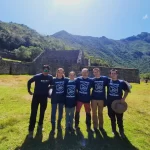
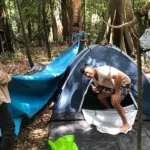
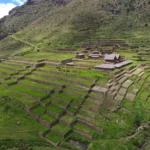
The Inca Trail is not just one of the world’s most famous trekking routes — it’s also a story of teamwork. Behind every group of hikers are the true heroes: the Inca Trail porters. They make it possible for travelers to enjoy the hike without carrying all their gear. But what do they carry? How should they be treated? And what does it mean to hike ethically?
Who Are the Inca Trail Porters?
The Inca Trail porters are local men — mostly from nearby Andean communities — who carry the equipment needed for the expedition. Their role is essential: they transport tents, food, cooking utensils, and part of the tourists’ luggage.
Some also refer to them as Inca Trail carriers or Inca Trail workers, though “porters” is generally preferred as it better reflects their skill and profession.
Fun fact: some porters can carry up to 20 kilos for several days at altitudes above 4,000 meters — an incredible physical achievement!


What Do the Porters Carry?
Depending on the travel agency, porters usually carry:
- Tents and sleeping mats
- Food and cooking gear
- Tables and chairs for campsites
- Travelers’ luggage (within the allowed weight)
- First-aid kits and safety equipment
Many porters also help set up camp and assist the cook — they’re true multitaskers!
Tipping the Porters: A Gesture of Gratitude
While tipping isn’t mandatory, giving a fair tip is a common and appreciated practice.
As a reference, travelers usually give between 40 and 60 soles per porter for the entire trek.
Tip: Organize a small ceremony at the end of the hike to give tips as a group — it’s a respectful and heartfelt gesture.


Ethics and Responsible Travel
Choosing a responsible trekking agency is essential. Make sure the agency complies with the Peruvian Ministry of Culture regulations, which limit the maximum weight each porter can carry (20 kg).
Also, look for agencies that:
- Provide uniforms and proper footwear
- Offer decent meals and lodging
- Ensure fair and timely pay
Respecting the Inca Trail porters is not only about ethics — it’s about humanity. Behind every backpack and tent is effort, tradition, and pride.
Conclusion
Hiking the Inca Trail with porters is more than an adventure — it’s a cultural experience built on respect. Treating porters fairly honors the true spirit of the Inca Trail.