What Pacaya Samiria actually is
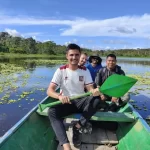
Pacaya Samiria National Reserve is the largest flooded-forest protected area in the Peruvian Amazon, covering more than 2 million hectares between the Marañón and Ucayali rivers. It’s managed by SERNANP, Peru’s national protected-areas authority, and several kukama-kukamiria communities live inside and around its boundaries, with fishing and boat traffic as part of daily life rather than something staged for visitors.
If you’re weighing a Pacaya Samiria tour camping trip against a lodge stay somewhere closer to Iquitos, the first thing to understand is that this reserve isn’t set up for day access. You sleep on a boat or in a tent camp, days are built around river time, and there’s no infrastructure once you’re past the entrance checkpoint. We’ve covered the reserve’s background in more general terms in our complete guide to the Pacaya Samiria reserve; this article focuses specifically on what the camping expedition involves.
Why it’s called the jungle of mirrors
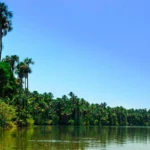
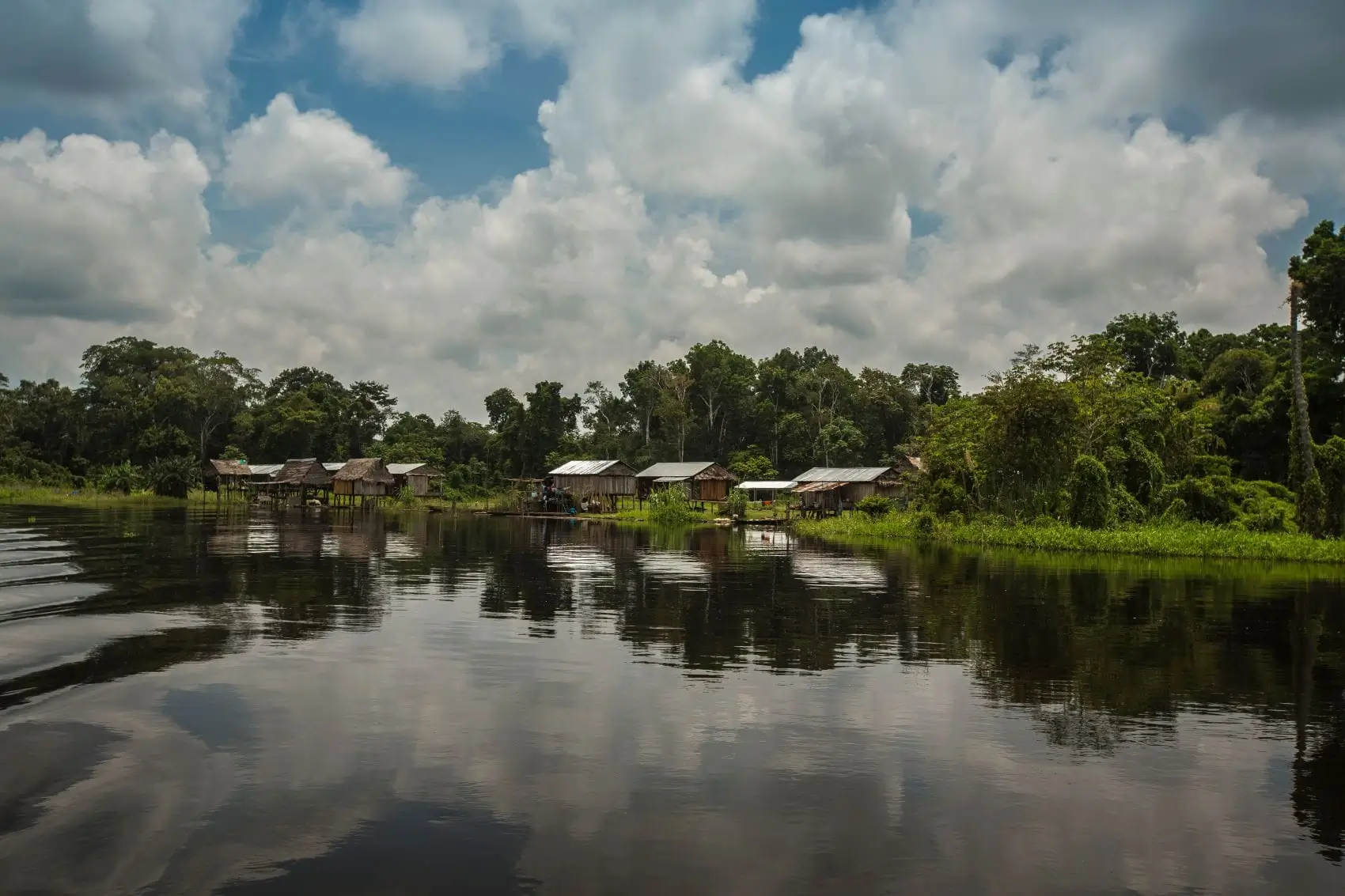
Locals and guides often call Pacaya Samiria the “jungle of mirrors.” During high water, the flooded forest floods so evenly that the still water reflects the tree line and sky almost like glass, especially early in the morning before any wind picks up. It’s a water-level effect, not a fixed feature: at low water the same channels narrow, sandbanks appear, and the mirror effect mostly disappears.
That difference matters more here than in most Amazon destinations, because it changes where the boat can physically go and what you’ll see along the way. We go into the mechanics of this in a dedicated article on Pacaya Samiria’s high and low water seasons, which is worth reading before you pick your travel dates.
How you actually get into the reserve
Every expedition starts in Iquitos, since there’s no road access to the reserve itself. If you’re arriving from outside Peru or from Lima, check our notes on how to get to Iquitos first, since flight schedules affect how tight your connection to the expedition start can be.
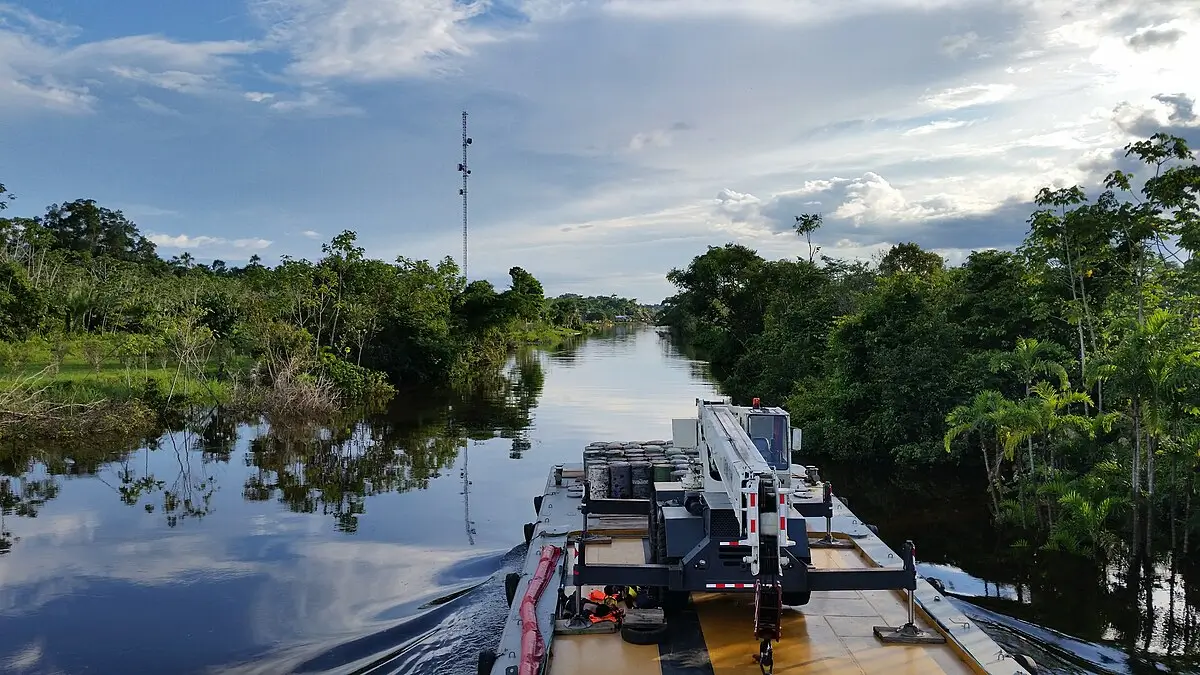
From Iquitos, we drive around two hours by road to Nauta, the last town with regular services before the reserve. From Nauta, it’s a boat journey down the Marañón to the SERNANP checkpoint at the mouth of the Pacaya and Samiria rivers, where permits are checked and rangers log every group entering. Only authorized guides can bring visitors past this point, and solo or unguided entry isn’t an option regardless of experience level. For general orientation on the city itself before you head out, our Iquitos travel guide covers logistics we don’t repeat here.
Choosing between 4, 5 and 6 days
This is the decision that actually shapes the trip, because the reserve is large enough that extra days translate directly into how far upriver you go and which lakes (cochas) you reach. Shorter trips stay closer to the checkpoint and involve less daily navigation; longer trips push further in and spend more time away from any other boat traffic.
| Duration | How far you reach | Typical cochas visited | Navigation per day | Best suited for |
|---|---|---|---|---|
| 4 days, 3 nights | Lower reserve, near the Pacaya-Samiria confluence | 1-2 accessible cochas | 4-6 hours | First-time Amazon travelers wanting a real camping trip without a long commitment |
| 5 days, 4 nights | Mid-reserve, further from other groups | 2-3 cochas, including at least one quieter lake | 5-7 hours | Travelers who want more wildlife time without the full 6-day push |
| 6 days, 5 nights | Deep reserve, closer to core conservation zones | 3-4 cochas, including remote lakes rarely reached on shorter trips | 6-8 hours | Experienced travelers prioritizing wildlife density and quiet over comfort |
Consult the specific tour page for current pricing and departure dates, since both can shift by season. As a rough rule, each extra day buys you distance from the checkpoint and from other tour groups, not extra comfort — the camping setup itself is similar across all three lengths.
Wildlife: what you can realistically expect
Pacaya Samiria has a strong wildlife reputation, and it’s largely earned, but sightings depend on season, water level and a fair amount of luck. Pink and gray river dolphins are seen on most trips, more easily in narrower channels than in open water; our guide to the pink river dolphins around Iquitos explains the behavioral differences between the two species if you want the detail.
Paiche, one of the largest freshwater fish in the world, surface periodically to breathe and are more visible during low water when they’re concentrated in fewer channels. The Amazonian manatee is present but genuinely elusive; guides see one on a minority of trips, and no operator can promise it. Black caiman sightings are more reliable at night, when our guides use spotlights along the cocha edges. Add to that several monkey species active at dawn and dusk, and dense birdlife including hoatzin and various macaws, more visible from a slow-moving boat than from land.
Camping in the flooded forest vs. a lodge in Iquitos
This is the part most travelers underestimate before booking. A Pacaya Samiria tour camping trip means sleeping in a tent on a raised platform or on the boat itself, no electricity beyond what a guide carries for safety, and days built entirely around river schedules rather than fixed meal times or air conditioning.
Heat and humidity are constant, insect activity increases sharply near dusk even with repellent, and there’s no way to shorten a bad day once you’re several hours from the checkpoint. What you gain in exchange is access to areas a lodge simply can’t reach, quieter wildlife encounters without other groups nearby, and a genuinely different pace than the fixed-itinerary lodge model most Iquitos operators run. We’ve written a dedicated breakdown of what camping in the Pacaya Samiria flooded forest involves night by night if you want the full picture before deciding.
Season: high water and low water, in short
High water (roughly November to May) floods the forest, opens up new channels and produces the mirror effect, but pushes some wildlife into the tree canopy and away from open banks. Low water (roughly June to October) exposes sandbanks and concentrates fish and caiman into narrower channels, generally making certain sightings easier but reducing how far the boat can travel into some cochas. Our separate article on Pacaya Samiria’s high and low water seasons goes through month-by-month differences in more depth.

What to bring, health notes and minimum fitness
Long sleeves, a strong DEET-based repellent, and closed footwear you don’t mind getting wet are non-negotiable; cotton dries slowly in this humidity and is worth avoiding for anything you’ll wear daily. We keep a full packing breakdown in our jungle packing checklist, organized by what you actually use each day versus what stays in your bag.
On the health side, yellow fever vaccination is generally recommended for this region, and it’s worth discussing malaria prophylaxis with a travel doctor before you go, since the reserve sits deep in flooded lowland forest. Fitness requirements are modest compared to a mountain trek: no significant hiking is involved, but you should be comfortable sitting for long boat stretches in heat and humidity, and able to get in and out of a canoe without assistance. If you want more detail on staying comfortable and safe in these conditions generally, our jungle trekking survival guide for the Iquitos region covers heat management and basic river safety.
Frequently asked questions
What is the difference between a Pacaya Samiria camping tour and a lodge tour? A camping tour sleeps inside the reserve itself, on a boat or tent platform, with no electricity and full days of river navigation. A lodge tour stays at a fixed property closer to Iquitos, with more comfort but less access to the reserve’s more remote cochas and wildlife.
How many days do I need for Pacaya Samiria? Four days is enough for a genuine camping expedition near the reserve entrance. Five or six days get you further upriver to quieter cochas with less other boat traffic, which generally means more consistent wildlife sightings, especially of dolphins and caiman.
Is Pacaya Samiria safe for someone with no jungle experience? Yes, with an authorized guide, though it’s a more demanding trip than a Tambopata lodge stay. Expect heat, humidity, insects and long boat hours rather than technical difficulty; the main preparation is packing correctly and managing expectations around comfort.
Will I definitely see pink river dolphins in Pacaya Samiria? Sightings are common but never guaranteed. They’re seen on most departures, more reliably in narrower channels than open water, and slightly more often outside the very highest water months when the dolphins are less spread out across flooded forest.
Do I need permits to enter Pacaya Samiria? Yes. SERNANP controls entry at a checkpoint near the mouth of the Pacaya and Samiria rivers, and only authorized operators and guides can bring visitors past it. Independent or unguided entry into the reserve isn’t permitted.
Is Pacaya Samiria better than Tambopata for wildlife? They’re different ecosystems rather than directly comparable. Pacaya Samiria’s flooded forest favors dolphins, caiman, paiche and aquatic birdlife reached by boat, while Tambopata’s terra firme forest and clay licks favor macaws, primates and terrestrial mammals reached partly on foot.