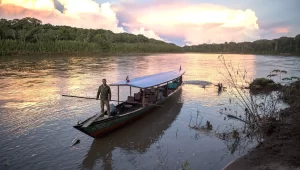
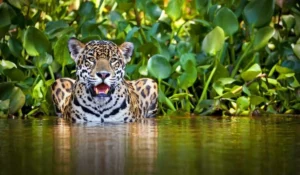
Have you ever dreamed of exploring the dense Amazon jungle and spotting wildlife that seems straight out of a fairy tale? For many travelers, the ultimate rainforest bucket list includes encountering the mystical pink river dolphins iquitos has to offer.
These fascinating, colorful creatures are a symbol of the Peruvian Amazon, captivating visitors with their intelligence and unique appearance. However, knowing exactly when and where to find them can be a challenge.
In this guide, we will walk you through everything you need to know to witness these magnificent animals in their natural habitat. Get ready for an unforgettable adventure!
Contents
What Makes the Boto Dolphin So Special?
The famous boto dolphin (Inia geoffrensis) is the largest and smartest species of freshwater dolphin in the world. Unlike their marine cousins, these river dolphins amazon ecosystems host have unfused neck vertebrae, allowing them to turn their heads 180 degrees to navigate flooded forests.
But why are they pink? As they grow older, their skin loses pigmentation, and blood vessels close to the surface give them their iconic pink flush. This coloration becomes even brighter when they are active or excited.
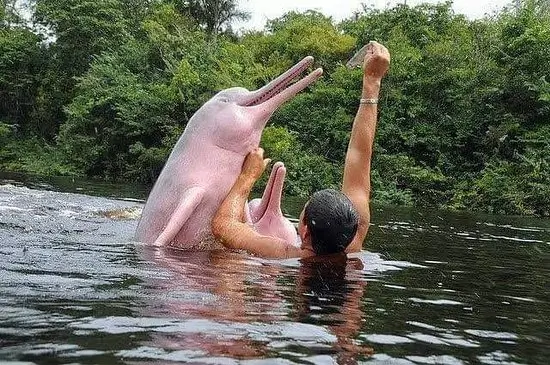
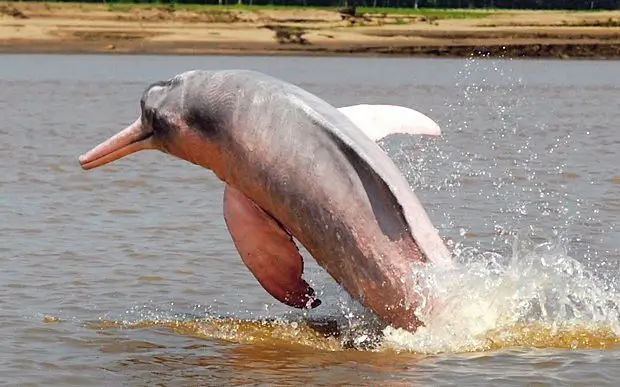
Top Spots for Finding Pink River Dolphins Iquitos
If you want to maximize your chances of seeing pink dolphins peru is arguably the best destination, and Iquitos is your perfect starting point. Here are the top locations:
1. Pacaya Samiria National Reserve
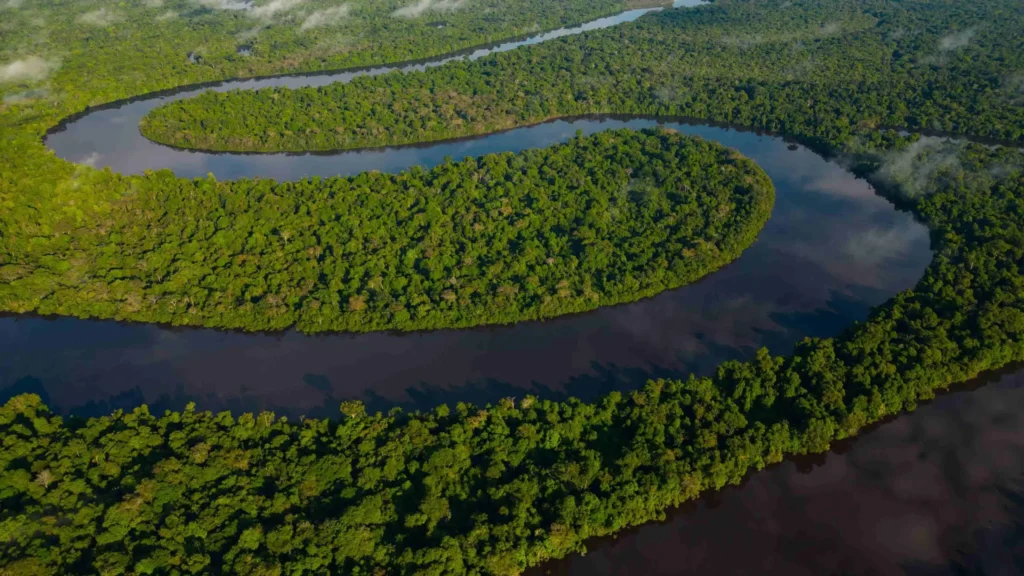
Often called the “Mirror of the Jungle,” this pristine reserve is the ultimate spot for wildlife viewing. The tranquil, protected waters are home to a massive population of amazon pink dolphins.
2. The Confluence of the Amazon and Nanay Rivers
Just a short boat ride from the city center, this meeting point of dark and muddy waters creates a rich feeding ground. It is a highly popular area for dolphin watching iquitos tours.
Essential Data for Your Amazon Adventure
To ensure a smooth and enjoyable trip, here are the technical details you need to plan your expedition:
- Altitude: Iquitos sits at just 104 meters (341 feet) above sea level. You won’t need to worry about altitude sickness here!
- Climate: Tropical, hot, and humid year-round. Average temperatures range from 22°C to 32°C.
- Best Season: The high-water season (December to May) allows boats to glide deeper into flooded forests. The low-water season (June to November) concentrates fish, making dolphins easier to spot in main river channels. Both seasons are excellent!
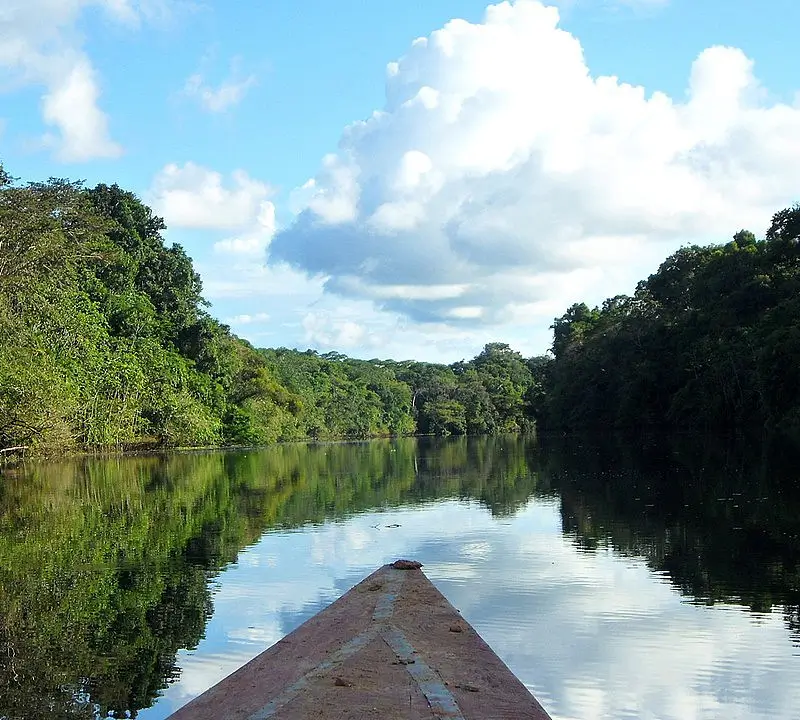
- Difficulty Level: Easy. Most dolphin spotting is done comfortably from motorized skiffs or traditional wooden boats.
- What to Bring: Lightweight, long-sleeved clothing, high-DEET insect repellent, eco-friendly sunscreen, a wide-brimmed hat, polarized sunglasses (crucial for seeing through water glare), and a camera.
Expert Tips from Local Trekkers Peru
As local experts, we want your jungle experience to be flawless. Here are some insider tips you won’t find in typical guidebooks:
- Timing is Everything: The absolute best time to spot dolphins is during the early morning (around 6:00 AM) or late afternoon (around 4:00 PM) when they are most actively hunting and playing.
- Listen Closely: Dolphins often exhale loudly when they surface. If you turn off the boat engine and keep quiet, you will often hear their blowholes before you see them.
- Safety in the Water: While some local tours offer swimming nearby, we recommend respecting their wild nature and keeping your distance. Always follow your guide’s safety instructions carefully to avoid strong river currents.
- Patience is Key: They are wild animals, not trained performers. Keep your eyes peeled on the water’s surface and be ready—they usually surface for just a few seconds!
Conclusion
Spotting the legendary pink river dolphins iquitos guards in its rivers is a truly transformative experience. It connects you deeply with the raw, untamed beauty of the Amazon basin, leaving you with memories that will last a lifetime.