What Lake Titicaca Actually Is
Lake Titicaca sits at roughly 3,812 m (12,507 ft) above sea level, which makes it the highest lake in the world navigable by large vessels. It is shared between Peru and Bolivia, and the border runs across open water, not along a coastline you can point to from shore.
The Peruvian side, around Puno, is where Aymara and Quechua communities live side by side, something you notice in the language you hear at the port before you notice it in any museum. This guide covers the Peruvian side and how it fits into a Cusco-based trip. If you want the ecology and history in more depth, we go into that separately in our piece on <a href=”https://localtrekkersperu.com/blog/discovering-the-magical-lake-titicaca/”>what makes Lake Titicaca different from any other lake in Peru</a>.
Part of the lake and its shoreline fall inside the Reserva Nacional del Titicaca, managed by SERNANP, which protects the totora reed beds that the Uros islands are built from.
Is Puno Worth Adding to Your Lake Titicaca Trip?
This is the real question, and the honest answer depends on how much time you have left after Cusco and Machu Picchu. Puno is not a detour you regret, but it is also not essential if your trip is already tight.
One day. You fly or bus in, do a half-day boat tour to the Uros islands, and fly or bus out the next morning. You get the postcard, not much else. Only worth it if it’s genuinely your only option.
Two days. The standard choice for most of our passengers. It allows a full-day tour or, better, one night on Taquile or Amantani so you’re not doing everything from a moving boat. We break this down hour by hour in our <a href=”https://localtrekkersperu.com/blog/things-to-do-in-puno-lake-titicaca-2-day-itinerary/”>2-day Puno and Lake Titicaca itinerary</a>.
Three days. Adds Sillustani or a slower pace on the islands, useful if you also want to recover from Cusco’s altitude before flying home, or if you’re combining Puno with a Bolivia crossing to La Paz.
Skip it. If your trip is under a week total and you’re prioritizing the Sacred Valley and the Inca Trail, Puno is the piece to cut first. It’s a worthwhile stop, not a mandatory one.
Altitude in Puno: Why It Hits Harder Than Cusco
Cusco sits at about 3,400 m. Puno sits at about 3,827 m, and the lake’s surface itself is close to 3,812 m. That difference of 400+ meters is enough that travelers who felt fine in Cusco sometimes get their first real headache in Puno, usually the first night.
The order of your trip matters more than most guides admit. Going Cusco → Puno lets you acclimatize gradually. Going the other way, Arequipa or La Paz straight into Puno without time in Cusco first, is where we see more altitude symptoms among our own passengers. If you’re already managing symptoms in Cusco, read our <a href=”https://localtrekkersperu.com/blog/how-to-overcome-altitude-sickness-in-cusco-a-guide-for-responsible-travelers/”>guide to altitude sickness and how to manage it responsibly</a> before adding Puno on top.
In practice: hydrate more than feels necessary, keep your first evening in Puno low-key, and don’t schedule a strenuous island hike for day one.
What You Can Actually Visit on the Lake
Four names come up constantly: Uros, Taquile, Amantani, and Sillustani. They are not interchangeable, and each has a different trade-off between convenience and how “real” the experience feels.
The Uros Floating Islands
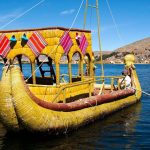
These are man-made islands built from layered totora reeds, and they’re the most visited stop on the lake, usually the first on any tour. Be aware going in: several Uros communities have leaned heavily into souvenir stalls and staged demonstrations for tour groups, and a fair number of past visitors find it feels more like a performance than a visit. It’s still worth seeing once, mainly because the construction technique itself is genuinely unusual.
Taquile Island
A roughly 45-minute boat ride further out, Taquile is a working island where residents still farm terraces and where the men’s knitting tradition is UNESCO-recognized. It’s a steep climb from the dock to the main square, which matters at this altitude, but the pace of life feels less curated than Uros.
Amantani Island
The homestay island. If you’re spending a night on the lake rather than doing a day trip, this is usually where it happens, sleeping in a family home, eating a simple dinner, and often joining a short evening dance if your hosts organize one. Signal is patchy to nonexistent on most of the island, which is either a feature or a problem depending on what you need.
Sillustani
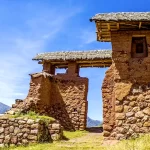
A pre-Inca and Inca burial site on a peninsula about 30 km from Puno, with cylindrical funerary towers called chullpas overlooking Lake Umayo, not Titicaca itself. It’s a half-day trip on its own and doesn’t combine well with an island visit on the same day. The site is administered locally in coordination with the Ministerio de Cultura.
| Destination | Distance from Puno port | Typical time needed | What it’s best for |
|---|---|---|---|
| Uros | 30–45 min by boat | 1–1.5 hours | First look at reed-island life, easy access |
| Taquile | ~2.5 hrs by boat | Half day | Textile tradition, working island, more authentic pace |
| Amantani | ~3–3.5 hrs by boat | Overnight | Homestay, slower travel, no signal |
| Sillustani | ~35 min by road | Half day | Pre-Inca funerary towers, land-based, not a lake stop |
We cover each of these in far more detail, including honest pros and cons for each community, in our dedicated <a href=”https://localtrekkersperu.com/blog/uros-taquile-amantani-islands-guide/”>guide to the Uros, Taquile and Amantani islands</a>.
Getting to Puno from Cusco, Arequipa or La Paz
From Cusco, most travelers go by bus (around 6–7 hours) or by the scenic tourist train, which runs during the day and costs considerably more than the bus. From Arequipa, the bus takes roughly 5–6 hours. From La Paz, it’s a border crossing at Copacabana or Desaguadero, then on to Puno, usually a half-day trip including immigration.
There’s no commercial airport in Puno itself; the closest is Juliaca, about 45 minutes away by road. Flights connect through Lima or occasionally Arequipa, and schedules change often enough that we’d rather send you to a source that stays current: our <a href=”https://localtrekkersperu.com/blog/cusco-to-puno-bus-train-plane/”>comparison of bus, train and flight options between Cusco and Puno</a> covers current routes, rough travel times, and what each option is actually like.
When to Go: Dry Season, Cold Nights and the Candelaria Festival
The dry season, roughly May to September, is when most people visit: clear skies, minimal rain, easier boat crossings. The trade-off is temperature. Nighttime in Puno regularly drops below freezing from June to August, even though days can feel warm in direct sun. This catches people off guard more than the altitude does.
The wet season, November to March, means afternoon rain and rougher lake conditions, but fewer crowds. February stands apart: that’s when the Virgen de la Candelaria festival fills Puno with dancers, brass bands, and processions for close to two weeks, one of the largest festivals in Peru. Accommodation books out well in advance if you’re planning around it.
For how this lines up with the rest of a Peru itinerary, our <a href=”https://localtrekkersperu.com/blog/the-best-time-to-travel-to-peru-a-complete-guide-to-plan-your-trip/”>seasonal guide to the best time to travel to Peru</a> puts Puno’s weather in context with Cusco and the coast.
Budget and What to Pack
Costs in Puno track closely with Cusco: a full-day Uros tour, a homestay night on Amantani, and simple meals are moderate by regional standards, while private transport and festival-season hotel rates push it higher. Rather than quote figures that go stale, check the current rate on the tour page directly before booking.
Packing centers on layers: something warm enough for near-freezing nights, plus sun protection for daytime, since UV at this altitude is stronger than it feels. Cash matters more here than in Cusco, since card acceptance thins out on the islands and in smaller shops. Our <a href=”https://localtrekkersperu.com/blog/what-to-bring-to-peru-by-season/”>packing guide by season</a> and our <a href=”https://localtrekkersperu.com/blog/complete-guide-to-money-in-peru-coins-banknotes-and-tips-for-travelers/”>guide to money in Peru</a> both apply directly to a Puno stop.
Day Tour or Two-Day Island Stay: Which Fits You
Both formats cover the Uros islands; the difference is whether you also get Taquile and a night on Amantani, and how rushed the whole thing feels.
| Full-day tour | 2 days, 1 night on the islands | |
|---|---|---|
| Islands visited | Uros only, or Uros + a brief Taquile stop | Uros + Taquile + overnight on Amantani |
| Pace | Fast, most of it spent on the boat | Slower, time to actually walk each island |
| Where you sleep | Your hotel in Puno | A family homestay on Amantani |
| Best for | Tight schedules, one night in Puno total | Travelers who want the homestay experience |
| Our tour page | <a href=”https://localtrekkersperu.com/titicaca-lakefull-day/”>Lake Titicaca full-day tour</a> | <a href=”https://localtrekkersperu.com/titicaca-lake-traditional2-days-and-1-night/”>Traditional Titicaca 2-day, 1-night tour</a> |
If you’re set on the fuller version, our 2-day itinerary article linked above walks through what each of those two days looks like hour by hour.
Frequently Asked Questions
Is Puno worth visiting if I’m short on time? If you have a week or less for all of Peru, Puno is usually the first stop to cut. If you have 10+ days including Cusco and Machu Picchu, two days in Puno fits comfortably without rushing either destination.
How many days should I spend in Puno? Two days covers the Uros islands plus one night on Taquile or Amantani. One day works if it’s your only option. Three days makes sense if you’re adding Sillustani or crossing into Bolivia.
Is Puno colder than Cusco? Yes, both because it sits higher and because open water cools the air at night. Expect near-freezing or below-freezing nights from June to August, even when daytime feels mild.
Should I go to Cusco or Puno first? Cusco first. Arriving in Puno after a few days in Cusco gives your body a head start on acclimatizing, since Puno sits roughly 400 meters higher.
Are the Uros islands worth visiting? Worth seeing once for the construction technique, but go in aware that several communities focus heavily on souvenir sales. Pairing Uros with Taquile or Amantani gives a more balanced picture of life on the lake.
Can I do Puno as a day trip from Cusco? Not really. One-way travel alone takes 5–7 hours by bus or train, so a genuine day trip isn’t practical. An overnight stay, minimum, is the realistic version.
Do I need a visa or special permit to visit Lake Titicaca? No special permit is needed for the Peruvian side of the lake for most nationalities entering Peru normally. If you’re continuing to the Bolivian side, check Bolivia’s entry requirements separately, since they differ from Peru’s.