Manu vs Iquitos is less a question of which is better and more a question of which corner of Peru you want your trip built around, since these two are genuinely different kinds of Amazon experience, reached from opposite sides of the country. This guide breaks down that structural difference so you can choose the route that actually fits your time, comfort level, and what you want to see.
The Core Difference: Flooded Lowland vs Andes-to-Amazon
Iquitos sits deep in flooded lowland Amazon in the Loreto region, reached only by plane since no roads connect it to the rest of Peru. It is river-centric by design: excursions run from comfortable riverside lodges, logistics are simple, and the whole experience is built around short, well-organized boat trips.
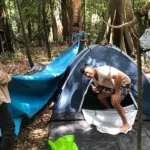
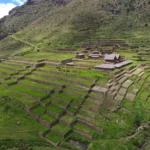
Manu is structurally different. It starts in the Andes and descends into the Amazon in a single overland trip from Cusco, crossing cloud forest before reaching lowland jungle, with several ecological tiers along the way rather than one flat lowland zone. Access involves a genuine overland and river journey, and most itineraries include camping in the Reserved Zone rather than fixed lodges. Our Manu Reserved Zone guide covers what that journey and the ecosystem actually involve.
Manu vs Iquitos at a Glance
| Manu | Iquitos | |
|---|---|---|
| Access | Overland from Cusco (road plus boat) | Flight from Lima only, no road access |
| Days needed | 5 to 8 days | 3 to 5 days |
| Price | Higher, longer logistics | Generally lower, simpler logistics |
| Comfort | Rustic, camping-based in the Reserved Zone | Comfortable lodges and hotels |
| Wildlife type | High density, multiple ecological tiers, less human pressure | High biodiversity, more river and community focused |
| Best season | May to September | May to October |
| Best suited for | Nature lovers, photographers, adventure travelers | First-time visitors, families, shorter trips |
Who Iquitos Suits
Iquitos is the better fit if your priority is comfort and a shorter trip. Excursions are well-organized, hotels and lodges are comfortable, and the experience leans toward cultural and gastronomic activities alongside wildlife, including real interaction with riverside communities. It works well as a first introduction to the Amazon or for travelers with limited time who still want a genuine jungle experience.
Who Manu Suits
Manu rewards travelers who have the days and don’t mind trading some comfort for depth. Restricted, regulated access keeps the Reserved Zone close to pristine, and the altitude gradient from Cusco down through cloud forest into lowland jungle means the trip covers ecological ground Iquitos simply cannot, all in one itinerary. If untouched nature and wildlife density are the priority, Manu is the stronger pick, our comparison of Manu vs Tambopata covers the third option in this decision if accessibility and shorter trips are also on the table.


The Practical Point: You’re Choosing a Route, Not Just a Jungle
Manu and Iquitos sit in different corners of Peru, and getting to one does not set you up conveniently for the other. Choosing between them usually means choosing your whole route: Iquitos pairs naturally with a Lima-based itinerary, while Manu pairs with time spent in Cusco and the Sacred Valley. Our guide on the best way to visit the Peruvian Amazon walks through how these routes fit together depending on where the rest of your trip is headed.


Practical Travel Information
Manu tours start in Cusco at roughly 3,400 m (11,150 ft) and descend into lowland jungle. Iquitos sits at around 100 m (330 ft).
Climate in Manu is warm and humid, generally 20°C to 30°C (68°F to 86°F), with cooler temperatures during the cloud forest crossing. Iquitos is tropical and humid year-round. The dry season for Manu runs May to September, while Iquitos has a slightly longer window, May to October. Difficulty differs clearly: Manu is moderate, with camping, long transit days, and rustic conditions, while Iquitos is low difficulty, running on comfortable lodges and short excursions.
What to Pack for Either Trip
Whichever you choose, pack lightweight long-sleeve clothing, strong insect repellent, sunscreen, a rain jacket or poncho, sturdy trekking shoes, a reusable water bottle, and any personal medication. Our full jungle packing checklist covers the complete list in more detail.
Before You Go
Yellow fever vaccination is recommended for travel to either region, and any malaria prevention is prescription prophylaxis rather than a vaccine, so a consultation with a travel medicine clinic before the trip is worth doing regardless of which destination you choose.
If you’re heading to Manu, spend at least two days acclimatizing in Cusco before the overland crossing, since the route climbs back over high mountain passes before descending into the jungle. Permits and space fill up fast in the dry season, so book Manu trips well in advance. Certified, licensed guides make a real difference in either region, and if you’re weighing operators in Cusco specifically, our guide to choosing a trekking agency covers what to check.
Manu or Iquitos: Making the Call
Neither is a downgrade from the other, they’re different trips. Choose Iquitos for accessibility, comfort, and a first, well-organized introduction to the Amazon. Choose Manu for depth, wildlife density, and an itinerary that carries you from the Andes into the jungle in one continuous trip.
Ready to Head Into the Manu Amazon?
If Manu’s mix of altitude, ecosystems, and wildlife density is the trip you’re after, our 6-day, 5-night Manu Reserved Zone tour is the itinerary most travelers choose. Start with our Manu Reserved Zone guide for the complete picture before you book.
Frequently Asked Questions
Which is better, Manu or Iquitos?
Neither is objectively better, they suit different priorities. Manu offers depth, an altitude gradient, and lower visitor numbers. Iquitos offers comfort, accessibility, and a shorter, well-organized trip.
Which is easier to reach, Manu or Iquitos?
Iquitos. It’s reached by direct flight from Lima, with no road access needed. Manu requires an overland journey from Cusco combining road and river travel.
Can I visit both Manu and Iquitos on the same trip?
It’s possible, but the two sit in different regions of Peru with very different logistics, so most travelers build their itinerary around one or the other rather than both.
Which is better for families or first-time jungle visitors?
Iquitos, thanks to its comfortable lodges, shorter excursions, and simpler logistics compared to Manu’s overland route and camping-based itineraries.
Do I need vaccinations for Manu or Iquitos?
Yellow fever vaccination is recommended for both regions. Any malaria prevention is prescription prophylaxis, not a vaccine, so consult a travel medicine clinic before your trip.
What is the best season to visit either destination?
May to September for Manu, and May to October for Iquitos, both falling within Peru’s dry season.