Every nature enthusiast dreams of witnessing the vibrant, untamed colors of the Amazon rainforest. However, planning the perfect wildlife encounter can feel overwhelming when deciding where to go.
The ultimate solution lies deep within the Peruvian jungle, far from the noise of civilization. A visit to the famous macaw clay lick tambopata offers a sensory explosion that few places on Earth can replicate.
In this guide, we will explore everything you need to know about this breathtaking natural phenomenon. Get ready to discover the most colorful show in the jungle!
Contents
What Exactly is a Colpa de Guacamayos?
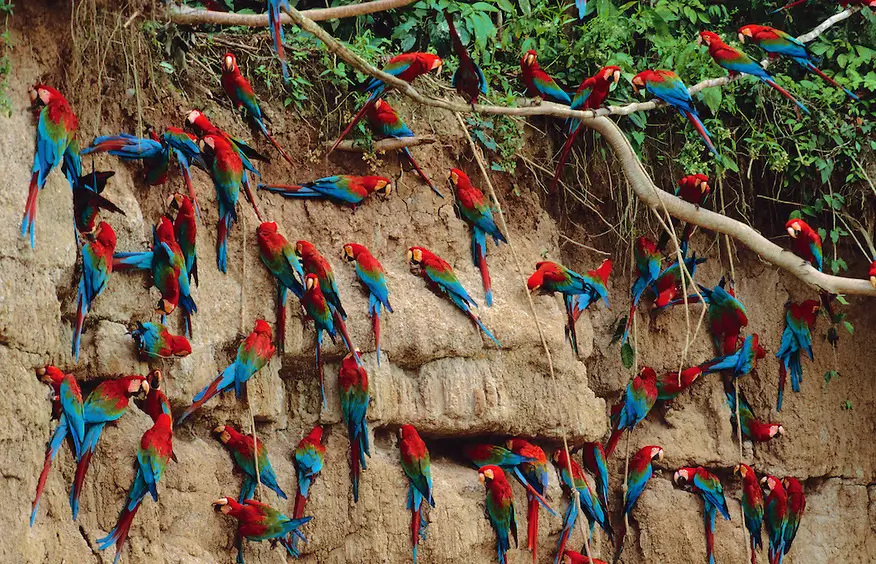
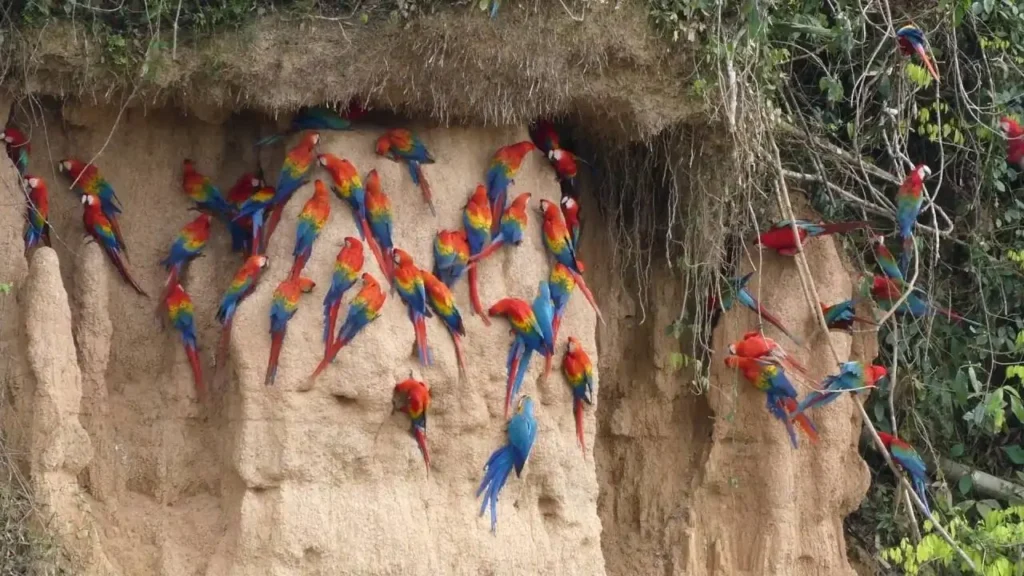
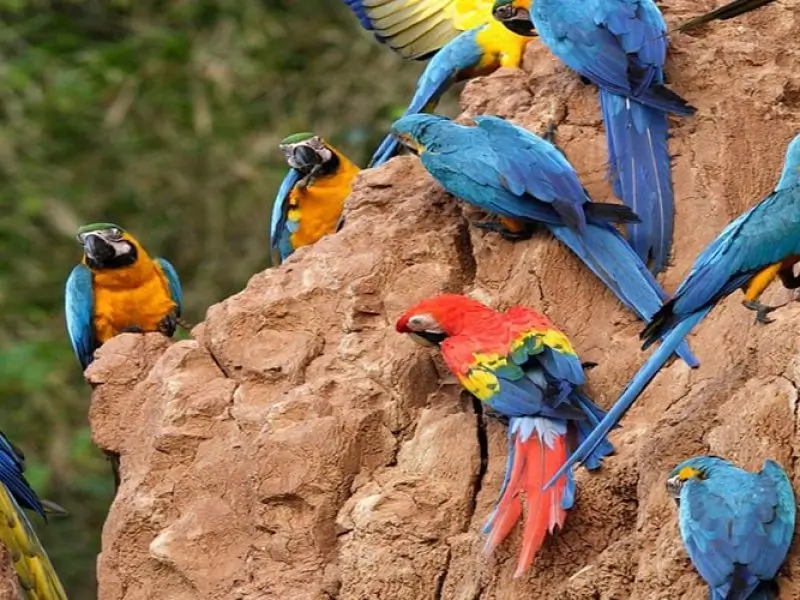
Deep in the Amazon, riverbanks expose walls of mineral-rich earth known locally as a colpa de guacamayos. Early in the morning, hundreds of birds flock to these specific cliff sides.
The birds gather to consume the clay, which scientists believe helps them neutralize toxins found in their diet of unripe seeds and fruits. It also provides essential dietary sodium.
Watching this chaotic, brightly colored amazon parrots clay lick in action is a photographer’s dream. The sheer volume of noise and activity is absolutely mesmerizing.
Discovering the Chuncho Clay Lick
While there are several licks in the region, the chuncho clay lick stands out as one of the largest and most active. Located inside the Tambopata National Reserve, it attracts multiple species of large macaws.
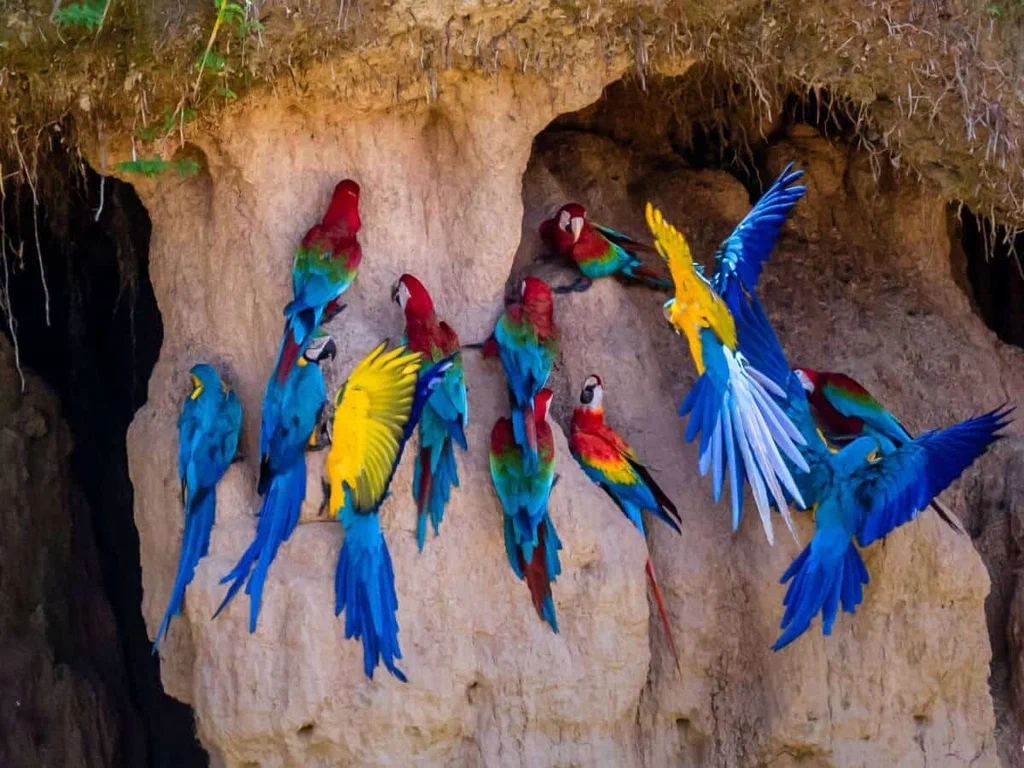
If you are looking for the ultimate macaw lick peru experience, this is the place to be. You will frequently spot the dazzling Scarlet, Blue-and-yellow, and Red-and-green macaws.
For anyone passionate about bird watching tambopata, arriving at this pristine riverbank as the sun rises is a truly unforgettable milestone.
Essential Data for Your macaw clay lick tambopata Expedition
To ensure you are fully prepared for this remarkable Amazonian adventure, keep these technical details in mind:
- Altitude: Approximately 180 meters (590 feet) above sea level.
- Climate: Tropical, hot, and highly humid. Average daytime temperatures hover between 25°C and 33°C.
- Best Season: The dry season (May to October) is ideal. River levels drop, exposing more of the clay wall, which leads to much higher bird activity.
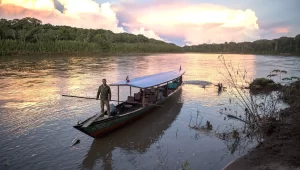
- Difficulty Level: Easy. The physical demand is low, mostly involving early wake-ups and sitting quietly in an observation blind or boat.
- What to Bring: High-quality binoculars (non-negotiable!), a telephoto lens for your camera, neutral-colored clothing, insect repellent, and a reusable water bottle.
Expert Tips from Local Trekkers Peru
As seasoned jungle guides, we know exactly how to maximize your wildlife viewing. Here are some practical tips to guarantee a successful trip:
- Embrace the Early Start: The birds arrive at dawn. Expect your wake-up call to be around 3:30 AM or 4:00 AM so you can navigate the river in the dark and be in position before sunrise.
- Dress to Blend In: Avoid bright colors like white, red, or neon. Wear khaki, olive green, or brown to remain camouflaged. If the birds spot bright colors, they might get spooked and fly away.
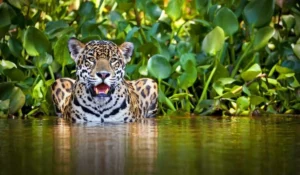
- Patience is Crucial: The macaws are extremely cautious. They will perch high in the canopy for a long time, scanning for predators like eagles or jaguars, before bravely descending to the clay.
- Weather Dependent: Rain is the enemy of the clay lick. If there is a heavy downpour, the clay becomes too wet and the birds simply will not show up. Always allow a buffer day in your itinerary!
Conclusion
Witnessing the vibrant chaos of a macaw clay lick tambopata is an absolute bucket-list experience for any wildlife lover. The sounds, the brilliant feathers, and the raw energy of the jungle create a memory that will stay with you forever.