Getting from Cusco to Puno comes down to five real options, and the right one depends on more than price and hours on the road — altitude plays a bigger role than most guides mention. Here’s how the routes stack up before we get into the details that actually change which one you should book.
| Tourist bus with stops | Direct day bus | Overnight bus | Andean Explorer train | Flight via Juliaca | |
|---|---|---|---|---|---|
| Duration | ~10 hours | 6–7 hours | 7–8 hours | ~10 hours | 1 hour flight + 45–60 min transfer |
| Price range | Mid-range | Lower | Lower | Very high | Mid-to-high |
| What’s included | Guided stops, lunch usually extra | Seat only | Seat, reclining | Full luxury service, meals, onboard bar | Seat only |
| Main advantage | Turns transfer into a sightseeing day | Cheapest, fastest ground option | Saves a hotel night | Scenic, comfortable, no altitude gained overnight | Fastest overall |
| Main drawback | Long day, early start | No stops, just transit | Crosses La Raya at 4,335 m while you sleep | Price is far above every other option | Airport is in Juliaca, not Puno |
If you’re still deciding how this leg fits into a wider Titicaca trip, our Puno and Lake Titicaca travel guide covers the region beyond just getting there, and once you’ve arrived, our guide to the Uros, Taquile and Amantaní islands is worth reading before you book a lake tour.
The La Raya Pass at 4,335 Meters: Why It Matters for Your Route Choice
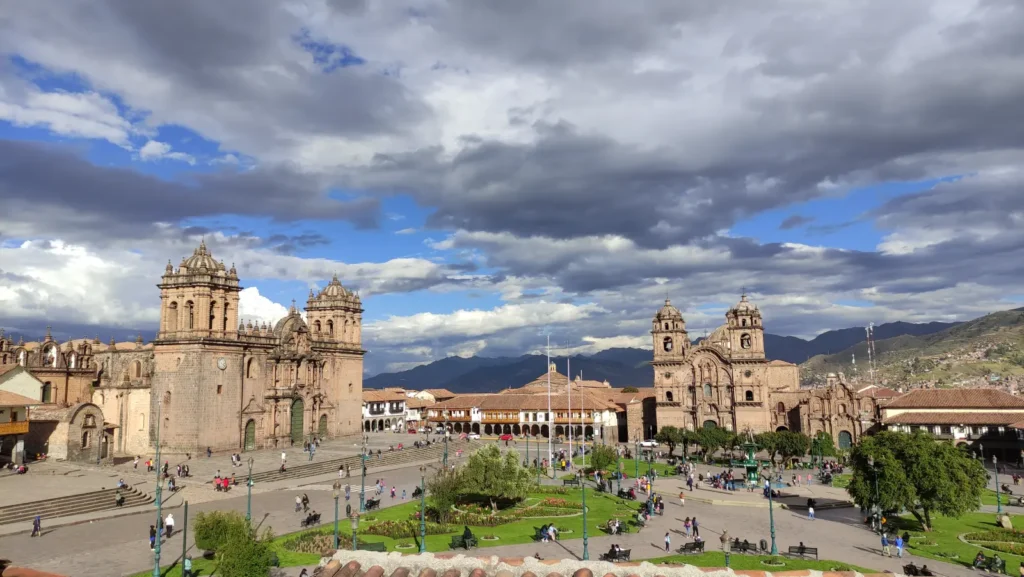
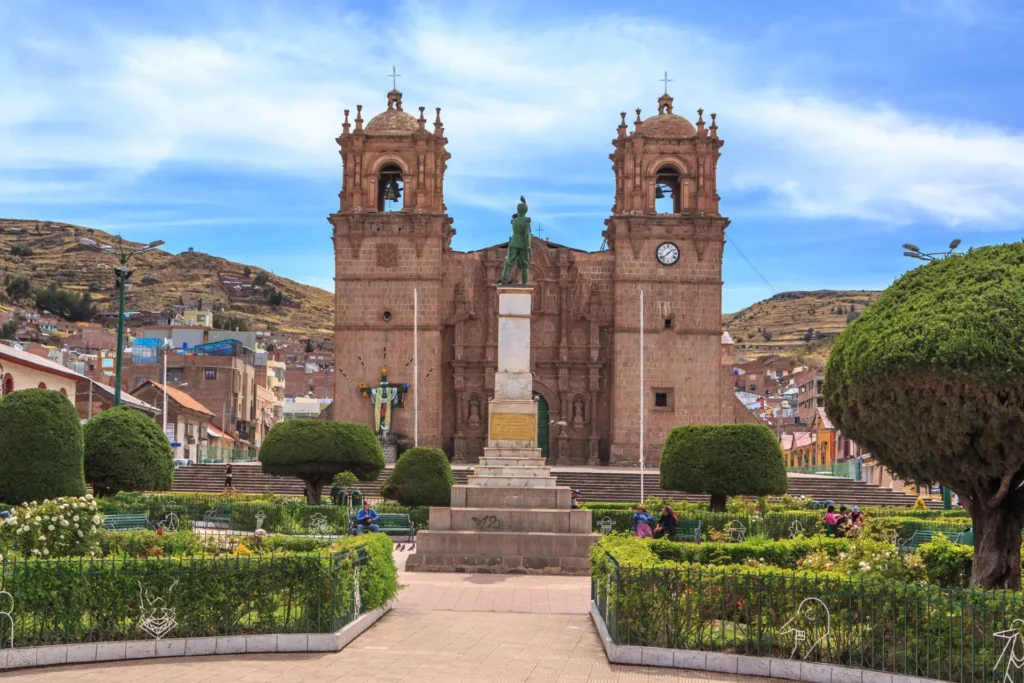
Every ground route between Cusco and Puno crosses the Abra La Raya, the highest point on the journey at 4,335 meters — noticeably higher than Cusco’s already significant 3,400 meters. This is the detail most comparisons skip, and it’s the one that actually affects how you’ll feel.
On a daytime bus, you’re awake and can watch your body’s reaction as you climb — slowing down, drinking water, and asking the driver to stop if you feel unwell. On the overnight bus, you sleep through the climb, which means you can’t self-monitor, and waking up at over 4,000 meters with a headache or nausea already underway is harder to manage than catching early symptoms in daylight. If you haven’t spent at least a day or two acclimatizing in Cusco first, our guide on how to handle altitude sickness in Cusco is worth reading before choosing the overnight option specifically.
The trade-off is real: the overnight bus saves you a hotel night in Puno, but for travelers who are still adjusting to altitude, that saving can cost you a rough morning on arrival.
The Ruta del Sol Tourist Bus: What You’ll See Along the Way
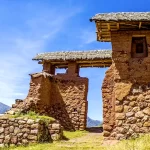
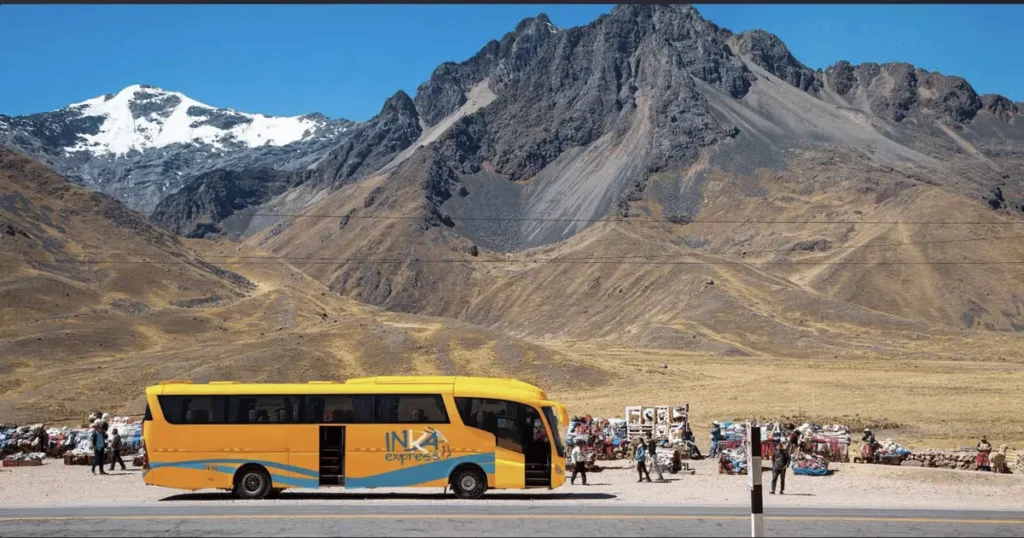
The tourist bus, commonly marketed as “Ruta del Sol,” typically departs Cusco around 7:00 to 7:30 AM and arrives in Puno by early evening, turning what would otherwise be a transit day into a guided excursion with four stops. It visits Andahuaylillas, home to the colonial church known as the “Sistine Chapel of the Americas” — the Mincetur tourist registry lists it as a nationally protected cultural site — followed by Raqchi, the Inca temple complex dedicated to Wiracocha, whose grounds are managed by the Dirección Desconcentrada de Cultura del Cusco. The bus also stops at La Raya itself for photos at the pass, and typically includes a lunch stop, usually not included in the ticket price.
Expect the bus to run 9 to 10 hours total once you count the stops, so this option suits travelers who’d rather see something along the way than minimize hours in transit.
The Andean Explorer Train: Is the Luxury Price Worth It?
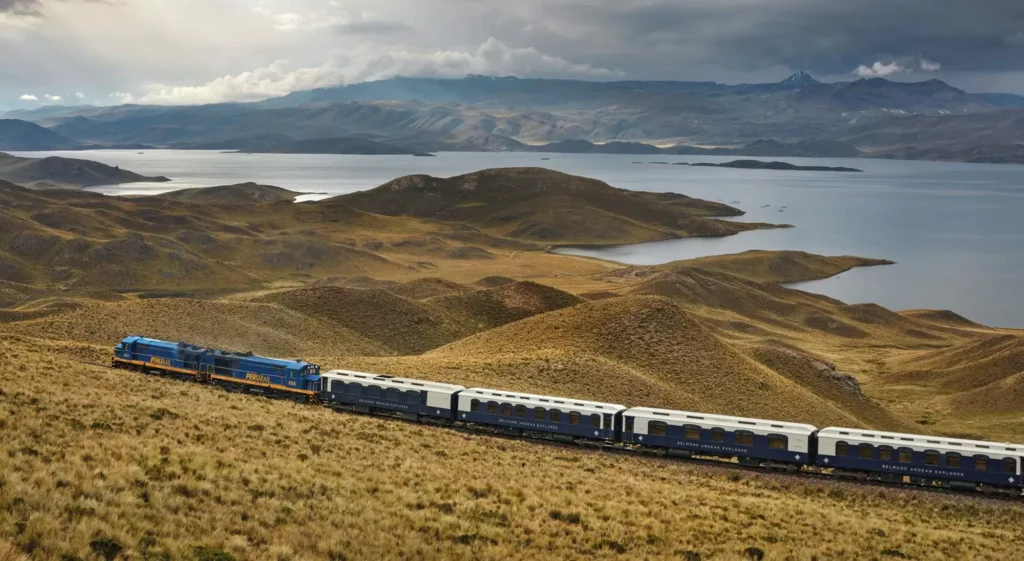
The Andean Explorer is a genuinely different product from the buses: a full-service luxury train with dining cars, an open-air observation carriage, and a price that runs several times higher than any bus option. It covers the same roughly 10-hour journey but does it seated at a table, with meals included and stops built around the experience rather than around a schedule.
It makes sense if the train ride itself is part of what you came for, or if you’re combining Cusco and Puno as one leg of a broader luxury rail trip. It doesn’t make sense purely as a transport solution if budget is a factor — for that, any of the bus options gets you there for a fraction of the cost.
Flying to Puno: Why You’ll Land in Juliaca, Not Puno
There’s no commercial airport in Puno itself. Flights land in Juliaca, about 45 minutes to an hour away by taxi or shared transfer, so factor that transfer time and cost into any flight-based plan — it’s easy to forget when comparing a 1-hour flight time against a 10-hour bus ride.
Flying is the fastest way to cover the distance overall, but it skips La Raya and the Sacred Valley scenery entirely, and connections from Cusco to Juliaca aren’t always direct or frequent, so check actual flight schedules before assuming this saves as much time as the flight duration suggests.
Which Order Makes Sense: Cusco First or Puno First?
For most itineraries, visiting Cusco before Puno makes more sense altitude-wise: Cusco sits around 3,400 meters, giving you a few days to adjust before continuing up to Puno at roughly 3,830 meters, higher still. Arriving in Puno first, without any acclimatization, means starting your trip at the highest point of the whole itinerary.
That said, some travelers fly into Juliaca from Lima and start in Puno deliberately, using it as a slower first stop before continuing to Cusco — it depends on your full itinerary and how much time you have. If you’re building out your days around Puno itself, our 2-day Puno and Lake Titicaca itinerary lays out how to use that time well regardless of which direction you’re traveling.
Practical Tips: Luggage, Cold, Altitude and Where to Buy Tickets
Temperatures at La Raya can drop well below freezing at night, even though daytime temperatures at both Cusco and Puno feel mild — pack layers regardless of season, and check our guide on what to bring to Peru by season if you’re unsure what else to pack for the altitude swings on this route. If you’re still deciding when to make this trip at all, our complete guide to the best time to travel to Peru breaks down how the dry and wet seasons affect this specific route, since heavy rain can slow the bus through the mountain sections. If you’re prone to motion sickness, the winding sections before and after La Raya are where it tends to hit hardest, so consider taking any medication before boarding rather than after symptoms start.
Bus tickets can be bought online in advance or in person at the terminal in Cusco, though seats on popular departures can sell out a day or two ahead in high season, so book earlier if your dates are fixed. Carry small denominations of cash for terminal snacks and the lunch stop, since not every roadside stall takes cards — our complete guide to money in Peru covers what to carry and how ATMs work along common routes.
Once you’re in Puno, check current departure times and rates on our full-day Titicaca tour page, or see our 2-day, 1-night traditional Titicaca tour if you’d rather include an island homestay — consult the tour page for the current rate before booking.
FAQ
What’s the fastest way to get from Cusco to Puno? Flying is fastest overall, though you land in Juliaca and still need 45 minutes to an hour to reach Puno by road. Among ground options, the direct day bus is quicker than the tourist bus, since it skips the sightseeing stops along the way.
Is the overnight bus a good idea if I just arrived in Peru? Not really, if you haven’t acclimatized yet. You’ll sleep through the climb over the 4,335-meter La Raya pass, which makes it harder to notice or manage altitude symptoms compared to a daytime bus where you’re awake and can react.
What’s the difference between the tourist bus and a regular direct bus? The tourist bus, or “Ruta del Sol,” adds stops at Andahuaylillas, Raqchi and the La Raya pass, turning the trip into a sightseeing day that runs 9 to 10 hours. A direct bus skips all of that and gets you there in 6 to 7 hours with no stops.
Is the Andean Explorer train worth the price? It’s worth it if the train experience itself is part of your trip, since it includes full dining service and scenic observation cars. As pure transport, it costs several times more than any bus option, so it only makes sense if budget isn’t the deciding factor.
Why does my flight to Puno land somewhere else? Because Puno has no commercial airport of its own. All flights land in Juliaca, roughly 45 minutes to an hour away by road, so add that transfer time to your total travel plan.
Should I visit Cusco or Puno first? Cusco first generally works better for acclimatization, since it sits lower than Puno and gives your body a few days to adjust before you continue higher. Some travelers do it the other way around deliberately, but it depends on your full itinerary.
Do I need to book bus tickets in advance? It’s safer to book ahead, especially in high season, since popular departures on the tourist and direct buses can sell out a day or two in advance. Tickets can be bought online or at the terminal in Cusco, but arriving without a reservation risks having to wait for the next available departure.