Why Choquequirao runs on mules, not porters
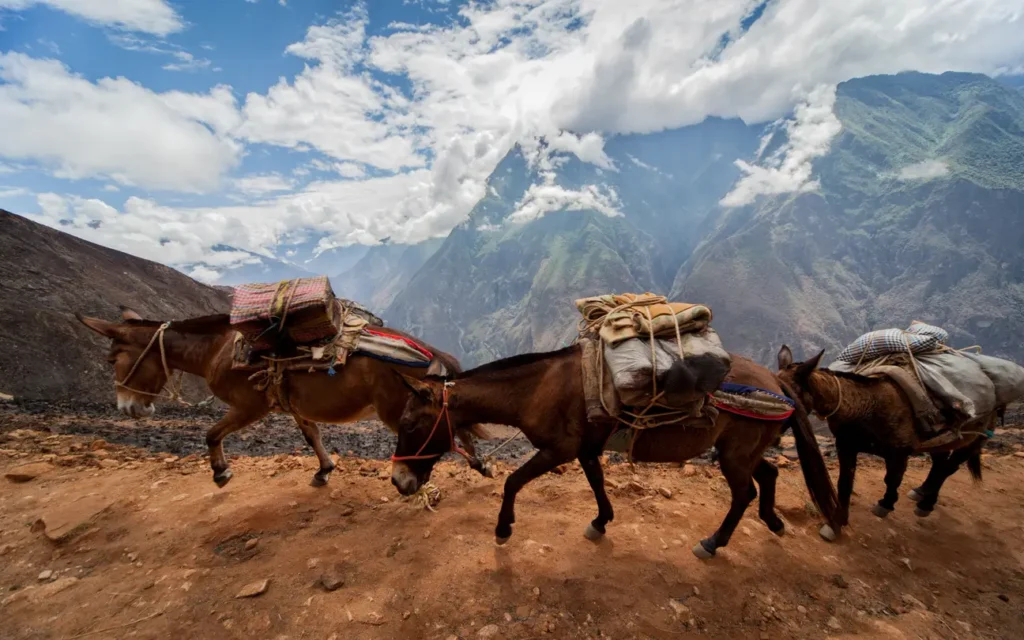
Choquequirao doesn’t use human porters the way the Inca Trail does — it runs on mules and muleteers, and that’s a function of the terrain, not tradition for its own sake. The trail drops around 1,500 vertical meters from Cachora into the Apurímac Canyon and climbs the same amount back up the far side, on switchback paths wide enough for pack animals but not practical for a person carrying 20+ kg on their back for two full days of steep grade. For the fuller picture of this trek before getting into how it’s actually run day to day, our definitive handbook to the Choquequirao trek covers the trek overall.
Who the muleteers actually are
Muleteers on this route come mainly from Cachora and Marampata, the two settlements that bracket the canyon crossing, and most have worked these specific switchbacks for years, sometimes generations, using mules bred and raised in the same communities. That local knowledge matters in ways a hired hand from elsewhere wouldn’t have: knowing which sections of trail turn to loose scree after rain, which water crossings shift with the season, and how a specific mule handles a specific stretch of exposed drop-off. Hiring locally also means the money from the trek stays directly in the communities the route passes through, rather than flowing to an outside labor pool.
How much a mule carries, and how much goes in your day pack
A single mule typically carries somewhere in the range of 40-60 kg, split across camping equipment, food for the group, cooking gear, and personal duffel bags — check the specific weight allowance with your agency, since it varies by operator and by how many mules are assigned per group size. What you carry yourself is limited to a day pack: water, camera, rain layer, sunscreen, and anything you want access to without waiting for the mule train to catch up at camp. This division is what makes Choquequirao’s descent and ascent manageable for most reasonably fit trekkers, carrying even a fraction of full trekking gear on your own back over that terrain changes the difficulty substantially.
The emergency horse: what happens if someone can’t continue
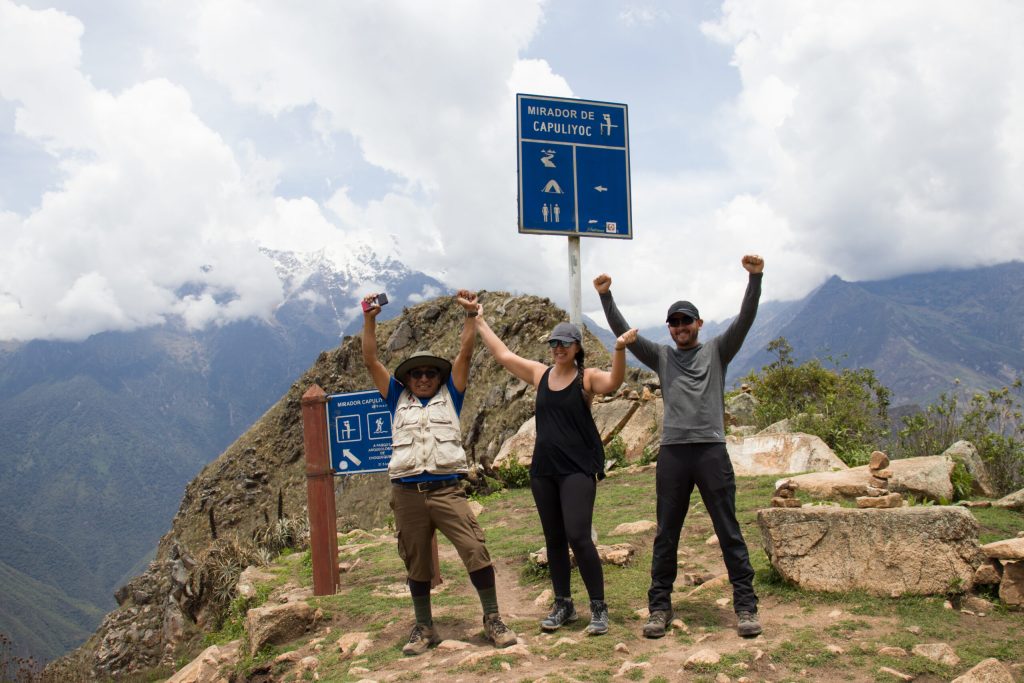
Groups traveling with a muleteer typically have access to what’s informally called the emergency horse — a spare animal kept for exactly the situation where a trekker can’t continue on foot, whether from altitude, injury, or exhaustion. How this gets used varies by agency and by exact circumstance: some include it as standard in the package, others treat it as an additional cost decided in the moment with the guide. The decision to use it is made by the guide on the trail, based on the person’s condition and the remaining distance to camp, not something a trekker can just opt into for convenience. If you’re asking any agency about this before booking, it’s worth getting a direct answer on whether it’s included or billed separately, since this is exactly the kind of detail vague packages tend to leave out.
The canyon in numbers: descent, ascent, and the temperature swing
From Cachora at around 2,900 m, the trail descends roughly 1,500 vertical meters down to the Apurímac River near 1,500 m, crosses a bridge, then climbs back up the opposite wall of the canyon by a similar 1,500 m to reach Marampata and, beyond it, Choquequirao itself at around 3,050 m. The descent day and the ascent day are both long — typically 6 to 8 hours of hiking depending on pace and stops — and the ascent in particular is widely regarded as the hardest single day of the trek, a sustained climb under direct sun with few shaded sections. The temperature difference between the canyon floor and Marampata is significant: the bottom of the canyon runs noticeably hotter and more humid, while Marampata and the ruins themselves, several hundred meters higher, feel cooler and see more vegetation and cloud cover.
Water, food, and waste in a place with no road access
Every campsite along this route has to be supplied entirely by what the mule train carries in, since there’s no road access anywhere along the canyon crossing. Food for the full trek is packed out from Cachora at the start, meaning meal planning has to account for what stays edible without refrigeration across several days — expect more perishable ingredients on the early days and more dried or preserved food toward the end of a longer itinerary. Water along the trail comes from mountain streams at several points, but it’s treated or filtered before drinking, never taken untreated. Waste management follows a pack-it-out standard: what comes in on the mules goes back out the same way, since there’s no infrastructure in the canyon to handle it otherwise.
Ethical treatment of the animals: what to ask before you book
A mule’s working load, rest schedule, and hoof condition are the practical markers of whether an operator treats its animals well, and they’re also things a prospective traveler can reasonably ask about before booking. Fair questions to put to any agency: what’s the maximum load per mule, how often do the animals rest during a climb, and are hooves and general condition checked before and after each trip. An operator that answers these specifically, rather than deflecting to general reassurances, is a better sign than one that doesn’t. Our guide to tipping and ethics for Inca Trail porters covers the parallel version of this question for human load-carriers, and the same underlying principle — asking specifically rather than accepting a vague answer — applies here to the animals doing the carrying.
Tipping the muleteers: who, when, and how to think about it
Muleteers are typically tipped separately from the guide and cook, generally at the end of the trek once the group has returned to Cachora or wherever the trek concludes. There’s no fixed, universal figure worth quoting here, since appropriate amounts shift with group size, trek length, and how many muleteers were assigned — check with your specific agency for their guidance rather than relying on a number from a different trek or a different year. What matters more than the exact figure is timing it to the end of the service and handing it directly to the muleteers rather than folding it into a payment to the agency, so it’s clear the money reaches the people who did the work.
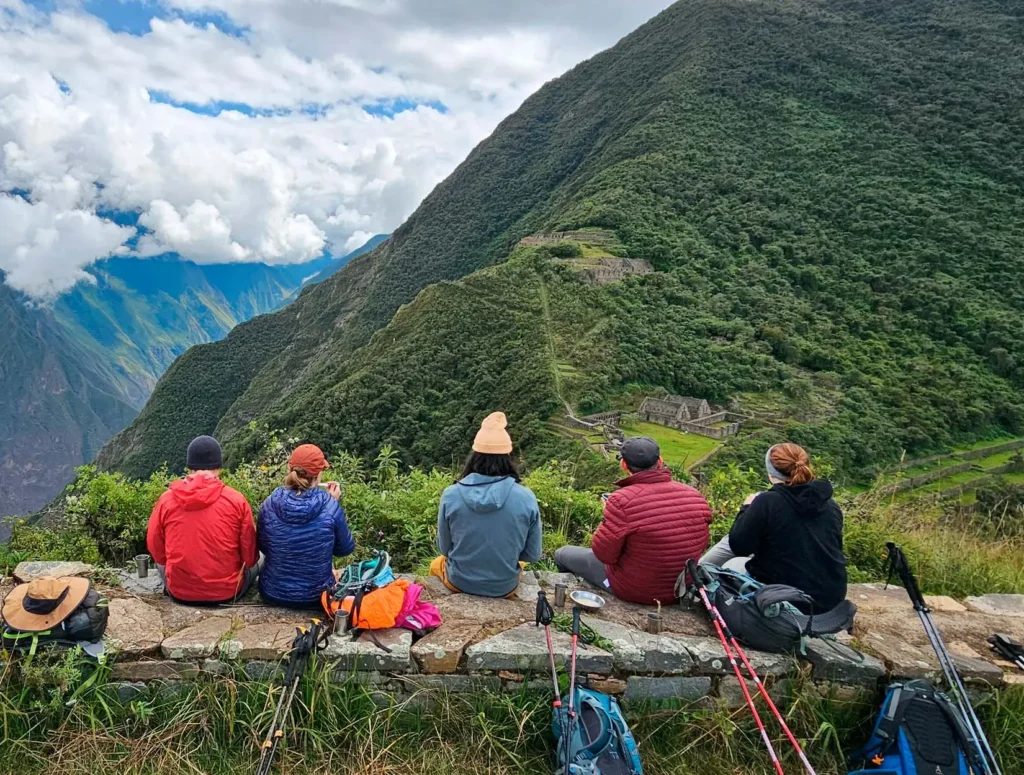
What you carry and what goes on the mule
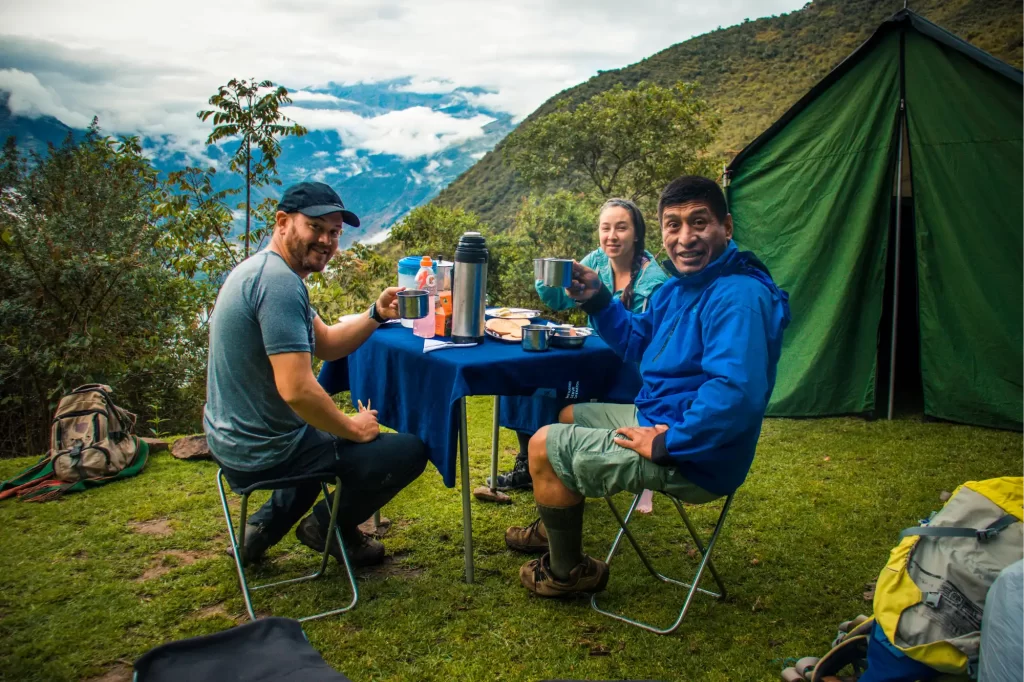
- Day pack items: water, snacks, camera, sun protection, a rain layer, and anything you’ll want without waiting for the mule train.
- Mule-carried items: your main duffel or backpack, sleeping bag, sleeping pad, and any gear not needed during active walking hours.
- Shared group gear: tents, cooking equipment, food, and camp furniture, all packed and carried collectively rather than assigned to individual travelers.
For footwear specifically — arguably the single piece of gear that matters most on a trail with 1,500-meter descents and ascents on loose switchbacks — our guide to choosing hiking boots covers what to look for before you buy. If you’re comparing this trek against the shorter 4-day version or the extended route continuing to Machu Picchu, our 4-day Choquequirao trek guide and our Choquequirao to Machu Picchu 8-9 day trek guide cover those itineraries directly, and if you’re still choosing which operator to book with, our guide to the best Cusco trekking agencies is worth reading alongside the questions above about animal treatment.
Frequently asked questions
Why does Choquequirao use mules instead of porters like the Inca Trail? The terrain is the main reason — steep, switchback-heavy descents and ascents of around 1,500 vertical meters each way are more suited to pack animals than to a person carrying full gear on foot over two demanding days.
How much weight does a mule carry on this trek? Typically somewhere in the range of 40-60 kg, split across group camping equipment, food, and personal duffel bags. Exact allowances vary by operator, so confirm the specific limit with your agency.
What happens if I can’t finish the ascent or descent on foot? Most groups with a muleteer have access to an emergency horse for exactly this situation. Whether it’s included in the package or billed as an extra depends on the agency, so it’s worth asking directly before booking.
How hot does it get at the bottom of the Apurímac Canyon? The canyon floor runs noticeably hotter and more humid than Marampata or the ruins, which sit several hundred meters higher and feel cooler with more vegetation and cloud cover. The ascent day in particular exposes hikers to sustained heat with limited shade.
Where does drinking water come from on the trail? From mountain streams at several points along the route, always treated or filtered before drinking. Untreated water from streams or the river is never recommended.
How should I tip the muleteers? Muleteers are usually tipped separately from the guide and cook, typically at the end of the trek. There’s no universal fixed amount — it depends on group size and trek length, so check current guidance with your specific agency.
What should I ask an agency about how they treat their mules? Reasonable questions include the maximum load per mule, how often the animals rest during climbs, and whether hooves and general condition are checked before and after each trip. An agency that answers specifically is a better sign than one that gives only general reassurances.