The Lares trek starts at the Lares hot springs, a thermal bath complex at roughly 3,250 m (10,662 ft), before you head into the mountains toward Huacahuasi and the Ipsaycocha Pass at 4,450 m (14,600 ft). Soaking here on day one isn’t just a nice extra — it’s built into the itinerary specifically because it gives your body a warm, low-effort transition into altitude before the trek’s harder days start.
The pools themselves are easy: paved walkways, no hiking required to reach them, in and out in under an hour if you want. What matters is timing it right relative to your Cusco acclimatization days and not overdoing your time in the hottest pools before a multi-day hike.
Where the Hot Springs Fit in the Lares Route
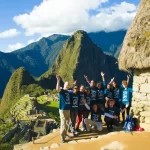
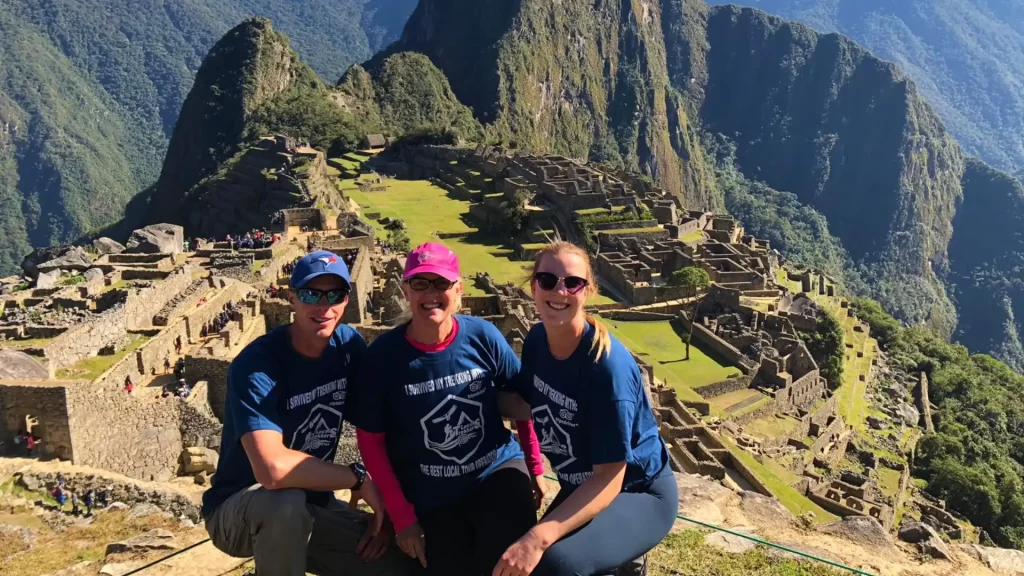
The full Lares trek runs Cusco → Calca → Lares → Huacahuasi → Ipsaycocha Pass → Patacancha → Ollantaytambo, finishing with a train into the Machu Picchu area. The hot springs sit near the town of Lares itself, early in that sequence — meaning you’re soaking before the trek’s physical demands start, not as a reward afterward.
This is one of the practical advantages Lares has over other routes into Machu Picchu: there’s no permit system for the trek itself, so departures can be booked with just days of notice.
For our Lares Trek departures, we strongly recommend booking your trip 8 to 12 weeks in advance during the peak dry season, which runs from May through August. While this route does not require the highly restricted government permits of the Classic Inca Trail, securing your spot early is crucial.
The primary operational bottlenecks are the Machu Picchu entrance tickets for Day 4 and the train seats from Ollantaytambo to Aguas Calientes, both of which sell out rapidly.
For shoulder or rainy season dates, a lead time of 4 to 6 weeks is usually sufficient, but booking early always ensures optimal train schedules and preferred circuit access at the citadel.
You do still need a Machu Picchu entrance ticket and the train ticket into Aguas Calientes, both of which run on their own quota and schedule separate from the trek — don’t assume “no trek permit” means no planning required at all.

Getting There and What to Expect at the Pools
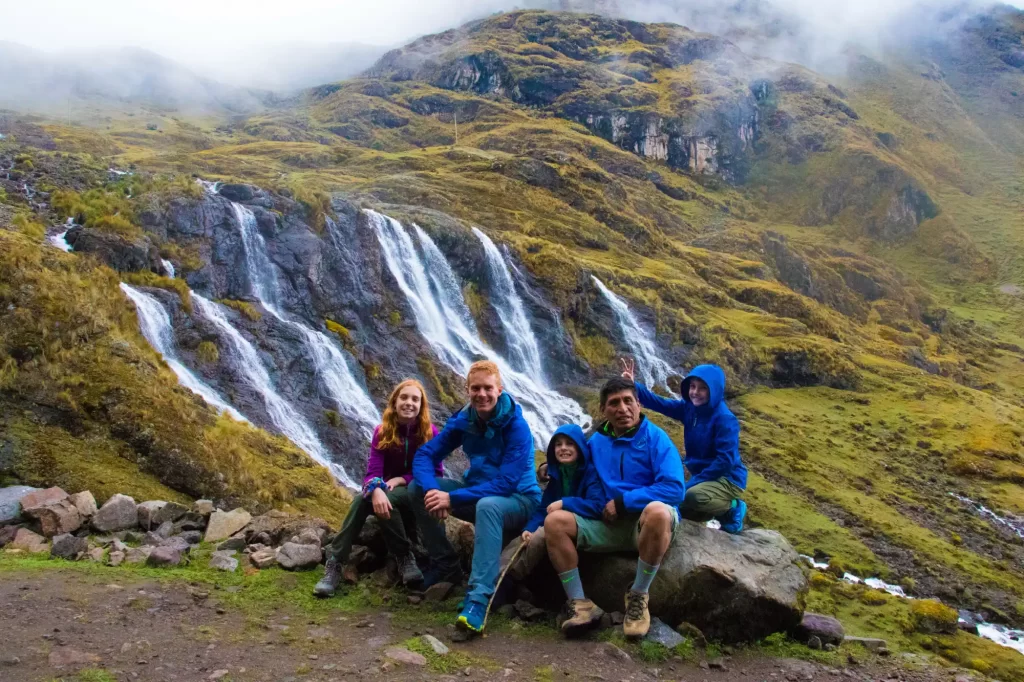
Getting to the hot springs is straightforward once you’re on a Lares departure — it’s built into day one of the itinerary, reached by vehicle from Cusco via Calca before the walking starts.
The private drive from Cusco to the Lares hot springs takes approximately 3 to 3.5 hours, depending heavily on early morning traffic exiting the city. We break up this journey with a strategic stop in the Sacred Valley town of Calca.
This allows our groups to stretch, use the restroom, and purchase any last-minute water or snacks. From Calca, the road winds up through a stunning, high-altitude pass before descending into the Lares Valley.
We operate our own modern, well-maintained vans to ensure the scenic drive is safe and comfortable. You will arrive at the hot springs by mid-morning, perfectly timed for a relaxing soak before we commence the hike.
The complex itself is genuinely low-effort: paved walkways lead straight to the pools, no scrambling or hiking required. Altitude here is moderate compared to what’s ahead — 3,250 m (10,662 ft) versus the 4,450 m (14,600 ft) Ipsaycocha Pass you’ll cross a day or two later — so this is a gentle introduction to elevation, not a test of it.
What to bring:
- A swimsuit
- A quick-drying towel
- Slip-on sandals for walking between pools and changing areas
- Warm layers for immediately after you get out — mountain air at this altitude turns cold fast once you’re wet
- Drinking water — staying hydrated matters here just as much as on the trail itself
How the Hot Springs Help You Acclimatize — and Where That Help Stops
The warm water increases circulation, which can make the transition into higher altitude feel more comfortable in the short term. That’s a real, immediate effect — it is not the same thing as acclimatization itself, which is about your body producing more red blood cells and adjusting over days, not minutes in a hot pool. Don’t treat a soak here as a substitute for spending 2–3 days in Cusco at 3,400 m (11,150 ft) before your trek starts. If you have any heart condition or blood pressure issue, talk to a travel clinic before combining hot springs and high altitude — this isn’t something a packing list can address safely.
Two practical points from guides who run this route regularly: arrive early if you can, since morning mist over the pools is common and the complex is quieter before later arrivals; and don’t stay in the hottest pools for more than 15–20 minutes at a stretch — heat plus altitude can cause lightheadedness faster than either does on its own.
Best Time to Visit and Alternative Options
May to October is the dry season and the best window for clear skies and easier travel to and from the springs. The Lares trek runs in February too, unlike the Inca Trail, since there’s no permit system tied to a maintenance closure — though weather is wetter and less predictable that month.
We operate the Lares Trek year-round, making it one of our most popular alternatives in February when the Classic Inca Trail is entirely closed for government maintenance. However, February marks the absolute peak of the Andean rainy season.
While our goal is to follow the standard 4-day itinerary, our operations team and lead guides have the full authority to run a modified route if conditions demand it.
If heavy rains make the Sicllaccasa Pass unsafe or river crossings too high, we seamlessly shift to alternative community paths or adjust campsite locations to lower, more sheltered elevations.
Trekker safety and comfort always supersede sticking to a rigid GPS track during extreme weather.
Lares is also the one route in this region that can be done on horseback for travelers who want the cultural and scenic experience without the full physical demand of walking every day.
On every Lares Trek departure, we provide a dedicated team of pack horses to carry all communal camping gear, food, and up to 7 kilograms of your personal items.
Furthermore, as a strict company safety protocol, we include one emergency riding horse per group at no extra cost. This horse remains with the group specifically to assist anyone who becomes overwhelmed by the altitude, especially during the steep ascent to the high pass.
If you know in advance that you prefer to ride for the majority of the trek rather than hike, you can secure a dedicated personal saddle horse during the booking process for an additional, transparent fee.
The Communities You’ll Pass After the Springs
Once you leave the hot springs behind, the route passes through Quechua-speaking communities — Huacahuasi, Patacancha, Huilloc, and Cuncani — that are part of what makes Lares a different experience from routes built primarily around mountain scenery.
These aren’t staged stops; they’re inhabited villages where the trail simply runs through daily life, which is part of why Lares tends to appeal to travelers who want the cultural side of the Andes alongside the trekking. What you’ll actually see and how much interaction happens at each stop varies by exact itinerary and season.
Our classic Lares route is carefully designed to traverse the traditional Andean communities of Quiswarani and Cuncani. While some operators stick strictly to the busier Patacancha valley, we prefer this specific routing because it strikes the perfect balance between high-altitude glacial scenery and genuine cultural immersion.
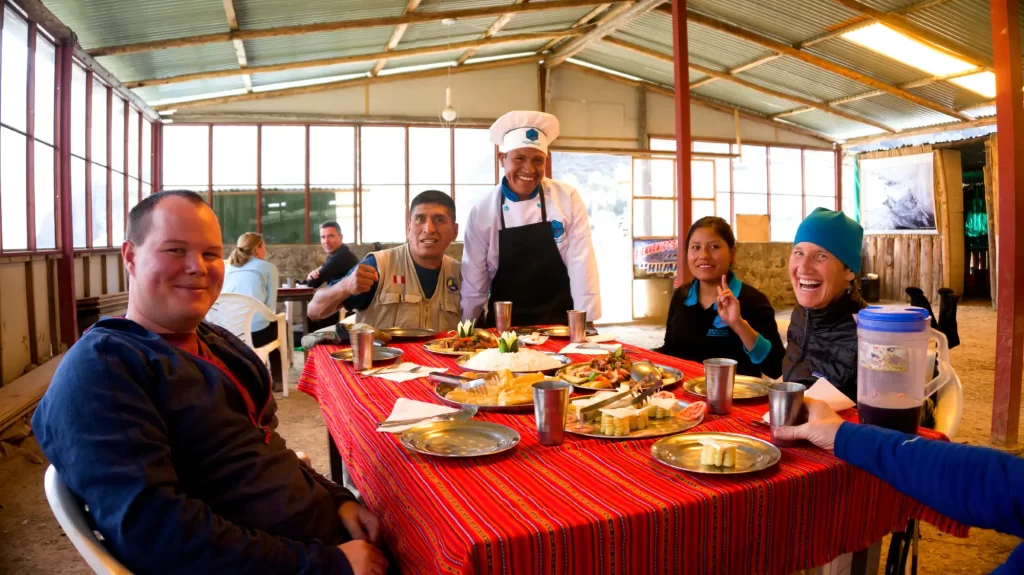
We do not just hike past these villages; our guides actively facilitate respectful interactions. You will meet local Quechua-speaking families, observe their world-renowned textile weaving techniques, and learn about their traditional agricultural practices.
A portion of the community access fees we manage goes directly into supporting their local infrastructure, ensuring our trekking operations bring a sustainable, positive impact.
The Mistakes We See Most Often
The most common one is treating the hot springs stop as purely recreational and rushing through it, or skipping it mentally as “not the real trek yet.” The stop is timed deliberately — it’s there because it eases the first transition into altitude before the harder walking days, not because it’s a tourist add-on unrelated to the trek’s purpose.
The number one mistake our guides witness at the Lares hot springs is trekkers staying in the hottest thermal pools for far too long. Because the ambient mountain air is crisp and chilly, it feels incredible to soak indefinitely.
However, combining 3,200 meters of altitude with intense heat causes rapid vasodilation. Trekkers often stand up suddenly and experience severe dizziness, dehydration, or even fainting spells right before the physically demanding trek begins.
We strictly advise our clients to soak for no more than 15 to 20 minutes at a time, take cooling breaks, and hydrate continuously. It is also crucial to have a dry fleece ready immediately upon exiting the water.
The second issue is forgetting that “no trek permit” doesn’t mean “no advance planning.” Travelers sometimes assume Lares can be booked entirely last-minute because there’s no permit system, then find their preferred Machu Picchu entrance slot or train departure is already full — those run on separate quotas that fill up on their own schedule, independent of the trek itself.
FAQs
Do I need a permit to visit the Lares hot springs or do the Lares trek? No permit for the trek itself — that’s the main practical advantage over the Inca Trail. You do need a Machu Picchu entrance ticket and a train ticket for the end of the route, both on their own separate quotas.
How cold does it get after getting out of the hot springs? Mountain air at 3,250 m (10,662 ft) turns cold quickly once you’re wet, even during the dry season. Bring warm layers specifically for right after you get out, not just for later in the trek.
Is the Lares trek less crowded than other routes to Machu Picchu? Yes — it’s generally considered the least crowded of the main routes in this region, partly because it doesn’t have the same name recognition as the Inca Trail or Salkantay.
What do people ask you most before booking a Lares trek? The most frequent question our operations team receives on WhatsApp before a trekker commits is how to structure their acclimatization days prior to the hike. Clients are understandably eager to prepare their bodies for the altitude without exhausting their legs.
We consistently advise against standard day trips that involve heavy walking or prolonged exposure. In your itinerary, instead of the standard Maras and Moray route, we highly recommend adding a VIP Sacred Valley tour.
This premium alternative offers an excellent, relaxed acclimatization day at a slightly lower altitude than Cusco, perfectly setting up your body for the physical demands of Day 1 without causing early fatigue.
Can I do the hot springs without doing the full Lares trek? While the Lares hot springs are undeniably fantastic, we do not operate them as a standalone day trip. The drive from Cusco takes over three hours each way, meaning a day trip would consist of roughly seven hours of driving just for a brief soak.
At Local Trekkers Peru, our operational focus remains entirely on delivering immersive, multi-day trekking experiences. We utilize the hot springs purely as a relaxing starting point to prepare your muscles for the demanding hike ahead.
For clients looking for high-quality, single-day excursions outside of Cusco, we focus our resources on comprehensive valley tours that offer more exploration without the exhausting transit times.
Next Step
Once you understand how the hot springs fit into day one, the rest of the route is worth planning around the same logic — easing into altitude before the harder days at Ipsaycocha Pass. For the full day-by-day breakdown of the route through Huacahuasi, Patacancha, and the other Quechua communities along the way, see our Lares Trek: The Complete Guide. If you’re still deciding between routes, our Lares vs. Salkantay comparison breaks down which fits your priorities better. When you’re ready to book, our 4-day Lares Trek to Machu Picchu page has current departure details.