Manu National Park is one of the most biodiverse places on Earth, and that is exactly why sustainable tourism in Manu matters more than it does almost anywhere else in Peru. Every operator claims to be eco-friendly. Very few can actually show what that means in practice, and the honest way to judge one is by what they do, not what they say.
This guide covers why Manu is protected the way it is, what responsible visiting actually looks like on the ground, and what to check before you choose an operator, because that choice matters more than anything you personally do during the trip.
Why Manu Is Protected the Way It Is
Manu is not a single protected area, it is three zones with very different rules, and understanding that explains a lot about what responsible tourism here actually means. The Core Zone, where the biosphere reserve’s research station operates, is closed to tourism entirely, reserved for scientific study and for the indigenous communities living in voluntary isolation within it. The Reserved Zone is where most tourism happens, under strict permit and guide requirements. The Cultural Zone, closer to Cusco, is more accessible and lodge-based. Our complete guide to Manu National Park breaks down how these three zones work and why the boundaries exist.
That structure is the reason Manu still holds the biodiversity it does. It is also the reason choosing an operator who respects those boundaries, rather than pushing past them for a better photo, actually matters.

What Responsible Visiting Looks Like in Practice
Sustainability in Manu is not an abstract idea, it comes down to specific, checkable practices:
- Group size: smaller groups mean less noise, less trail impact, and less pressure on wildlife
- Waste: everything that goes in comes out, including in the Reserved Zone where there is no infrastructure to manage it otherwise
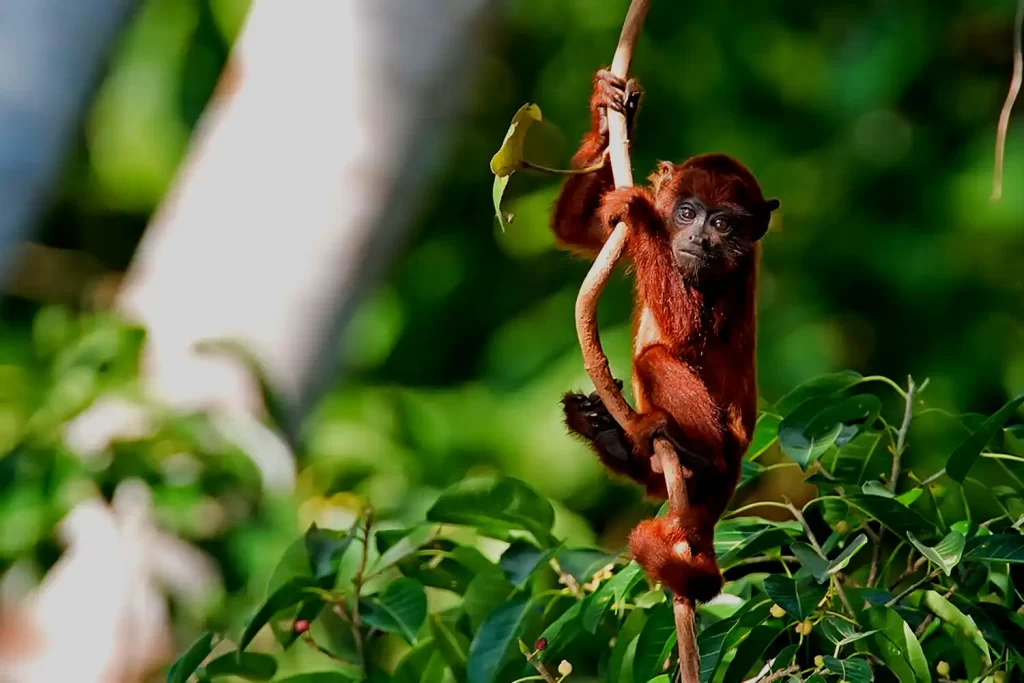
- Distance from wildlife: no baiting, no feeding, no forcing an encounter closer than the animal is choosing to be
- Local hiring: guides, boat drivers, and cooks from the region, paid fairly, rather than staff brought in from Lima or Cusco to cut costs
- Buying local: food, supplies, and services sourced from communities near the reserve instead of imported wholesale
None of these cost a traveler anything to ask about before booking. If an agency cannot answer specifically, that answer is itself useful information.
What We Actually Do
Claiming to care about the Amazon is easy. What matters is being able to point to something concrete, so here is what that looks like for us specifically.
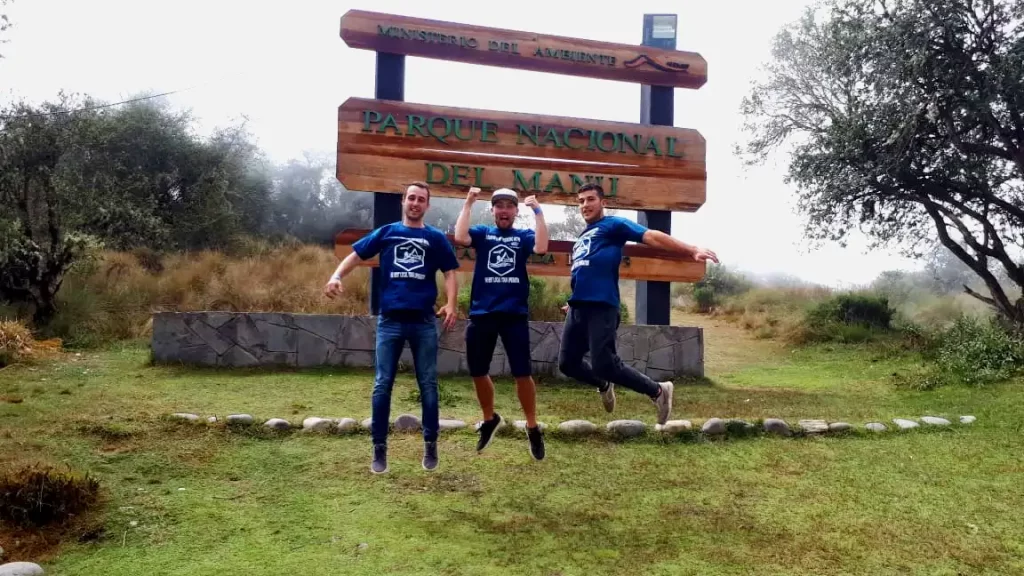
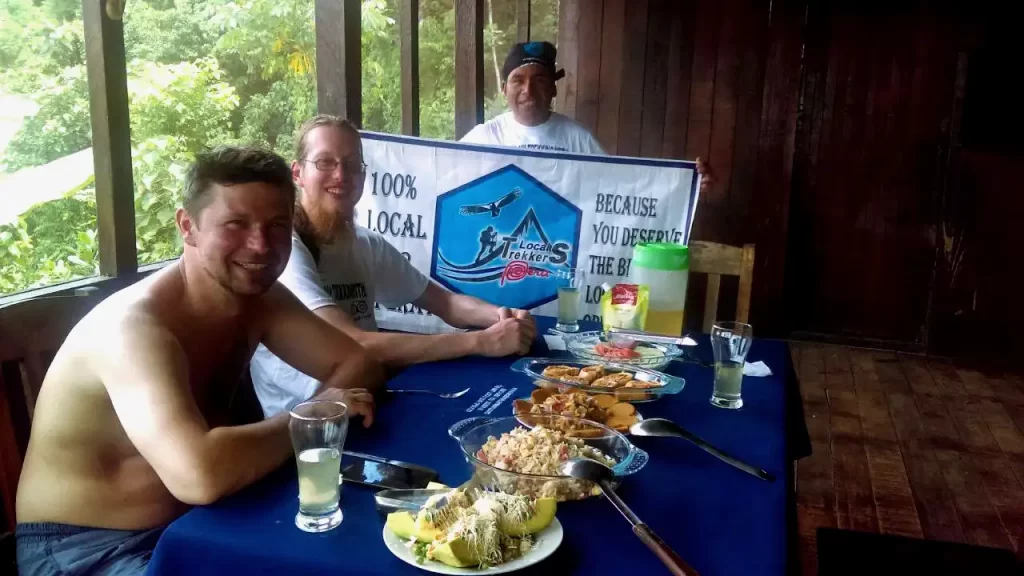
We are a 100% Peruvian-owned operator, not a foreign agency reselling a local operator’s work, which means the economic benefit of your trip stays in the country and in the communities we work with. Our environmental practices, covering waste handling, wildlife distance, and low-impact camping in the reserve, are detailed on our environmental practices page. Beyond the trips themselves, our social responsibility work and our own community project support families connected to the reserve directly, and if you want to contribute beyond your trip, our donation page explains how.
Why Your Choice of Operator Matters More Than Your Choices on the Trip
Here is the part most sustainability articles skip: the single biggest decision a traveler makes for Manu’s future is which agency they book with, not whether they pack a reusable water bottle.
An operator that cuts corners on group size, hires outside guides to save money, or looks away when a boat driver gets too close to wildlife for a better view causes more damage in a week than any individual traveler’s personal habits offset in a lifetime. Licensing and permits matter here too. Ours are listed on our licenses and authorizations page, and it is worth checking any agency’s before booking, not after.
Choosing an Agency: Questions Worth Asking
| What to ask | Why it matters |
|---|---|
| Where do your guides live? | Local hiring keeps income in the region |
| What is your group size? | Smaller groups mean lower impact |
| What happens to camp waste? | No infrastructure exists in the Reserved Zone to manage it for you |
| Can I see your permits? | Confirms legal, authorized access to protected zones |
| What’s your wildlife policy? | Genuine operators never guarantee close encounters or allow feeding |
If an agency hesitates on any of these, that hesitation is the answer.
Essential Trip Planning Data
Altitude drops dramatically over the trip, from the Andean entry point down to the lowland jungle at around 300 m (984 ft).
Climate in the lowlands is tropical, humid, and warm, with temperatures ranging from 25°C to 35°C (77°F to 95°F). The dry season, May to October, is the best window for wildlife spotting and river navigation. Difficulty is easy to moderate: most travel is by motorized canoe and flat trail walking, though the humidity itself can be demanding.
For families weighing whether Manu is a good fit with children, our guide to Manu’s best activities for kids covers what to expect.
Health and Preparation
Yellow fever vaccination is recommended before traveling to Manu. Malaria prevention in the region relies on prophylaxis, prescription medication taken before, during, and after the trip, not a vaccine, so consult a travel medicine clinic well before departure rather than relying on general advice.
The route from Cusco to Manu crosses cold Andean terrain before descending into the humid lowlands, so pack in layers. There is no Wi-Fi or cell service deep in the reserve, worth mentioning to family before you go.
Ready to Travel with an Operator That Backs It Up
Sustainable tourism in Manu is not a marketing line, it is a set of practices you can verify before you book. Our 6-day, 5-night Manu Reserved Zone tour runs on exactly the practices covered here: local staff, small groups, and permits you can check for yourself. If you have not yet read the full picture of the reserve, start with our Manu Reserved Zone guide.
Frequently Asked Questions
What makes a tourism operator genuinely sustainable in Manu?
Verifiable practices, not claims: local hiring, small group sizes, proper waste handling, strict no-contact wildlife policies, and licenses you can actually check.
Why is the Core Zone of Manu closed to tourists?
It is reserved for scientific research and for indigenous communities living in voluntary isolation, which is central to why Manu has retained the biodiversity it has.
Does my choice of operator really make a difference?
Yes, more than almost any other decision on the trip. An operator’s group size, staffing, and waste practices affect the reserve far more than an individual traveler’s personal habits.
Is Malaria prevention required for Manu?
It is not a vaccine but prescription prophylaxis, and it is recommended for travel to the reserve. Consult a travel medicine clinic before your trip.
What is the best season to visit Manu responsibly?
May to October, the dry season, when wildlife concentrates around water sources and trail impact is lower due to firmer ground.
Can I ask an agency about their sustainability practices before booking?
Yes, and you should. Specific questions about group size, staff hiring, waste handling, and permits reveal more than any marketing claim.