Are you an avid birder dreaming of spotting some of the most elusive and vibrant avian species on the planet? Finding the perfect pristine environment that guarantees spectacular sightings can be a daunting challenge.
Look no further, because manu birdwatching offers an unparalleled experience in the heart of the Peruvian Amazon. With its untouched ecosystems spanning from cloud forests to lowland jungles, this is the ultimate destination for nature enthusiasts.
In this guide, we will explore why this biosphere reserve is a world-class hotspot for avian diversity. Let’s dive into the feathered wonders waiting for you!
Contents
The Incredible Diversity of Birds Manu National Park
The sheer volume of birds manu national park protects is staggering, with over 1,000 species recorded within its borders. This incredible number accounts for roughly 10% of all bird species on Earth.
Because the park covers multiple elevation zones, you can witness distinct avian communities just hours apart. From high-altitude hummingbirds to massive lowland eagles, the variety is simply unmatched.

Spotting the Cock of the Rock Peru
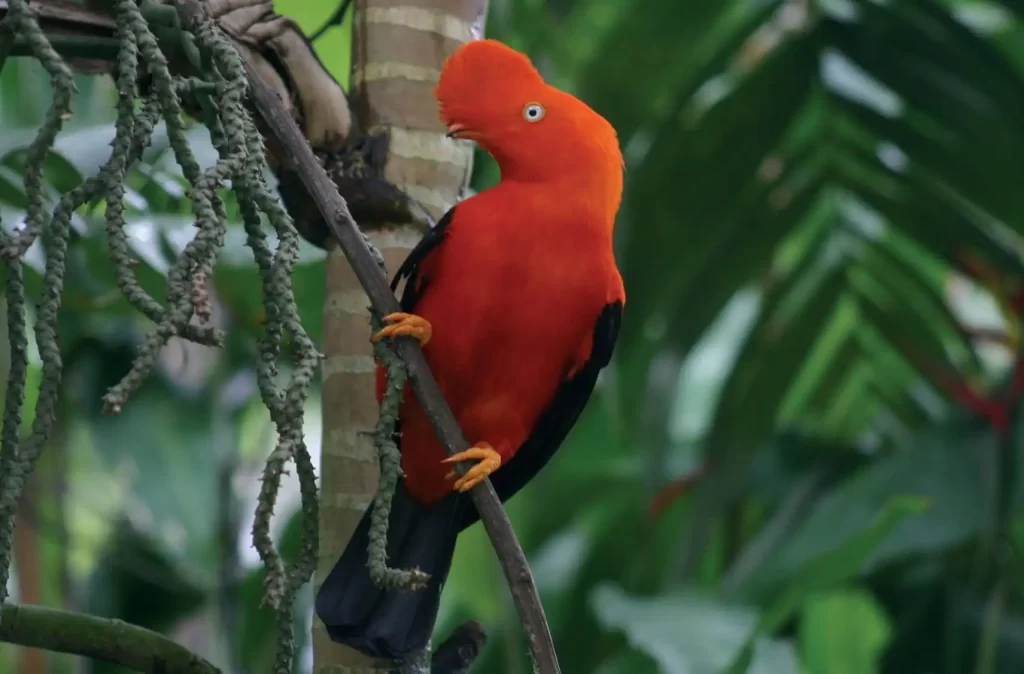
As you descend through the misty Andean cloud forest, you will encounter the lekking grounds of the cock of the rock peru. This bright red, bizarrely crested bird is the national bird of Peru and a must-see for any visitor.
Watching the males perform their energetic mating dances at dawn is a surreal, unforgettable spectacle. The cloud forest is their sanctuary, and hearing their strange calls echo through the trees is a highlight of the trip.
The Famous Macaw Clay Lick Manu
Further down in the lowland basin, you will find another extraordinary natural phenomenon: a macaw clay lick manu. Here, hundreds of vividly colored macaws, parrots, and parakeets gather on riverbanks to consume mineral-rich clay.
This daily gathering creates a deafening, kaleidoscopic display of red, blue, yellow, and green feathers. It is not only crucial for the birds’ digestion but also provides photographers with the perfect, unobstructed shot.
Essential Data for Your Manu Birdwatching Expedition
To make the most of your time in the jungle, you need to come prepared. Here is the vital information you need before packing your binoculars:
- Altitude: The route begins in Cusco (3,400m / 11,150 ft), crosses the Acjanaco pass (3,560m / 11,680 ft), and drops down to the Amazon basin at 150m (490 ft).
- Climate: Highly varied. The cloud forest is cool and misty (10°C to 20°C / 50°F to 68°F), while the lowlands are hot and humid (25°C to 35°C / 77°F to 95°F).
- Best Season: The dry season, from May to October, offers the best conditions. Less rain means clearer skies, making it much easier to spot canopy-dwelling species.
- Difficulty: Easy to Moderate. Most birding is done from slow-moving boats or flat, well-maintained jungle trails near the lodges.
- What to Bring: High-quality binoculars (8×42 or 10×42 are ideal), a telephoto camera lens, lightweight, neutral-colored clothing, DEET-based insect repellent, and a reliable waterproof bag.


Expert Advice: Tips from Local Trekkers Peru
Maximizing your species count requires more than just good equipment. Follow these insider tips from our expert local guides:
- Start Early: In the jungle, the early bird literally gets the worm. The highest avian activity occurs between 5:30 AM and 8:00 AM, so be prepared for pre-dawn wake-up calls.
- Dress to Blend In: Avoid bright colors like white, red, or neon. Wear muted greens, browns, and khakis so you don’t startle the sensitive wildlife.
- Patience and Silence: The jungle is dense. Often, you will hear a bird long before you see it. Stand perfectly still, listen to your guide, and wait for the movement in the leaves.
Conclusion: Book Your Manu Birdwatching Adventure
If you are looking to elevate your life list, manu birdwatching is an absolute necessity. From the dancing Andean cocks-of-the-rock to the chaotic beauty of the macaw clay licks, every day brings a new, breathtaking discovery.
Are you ready to explore the undisputed birding capital of the world? Contact Local Trekkers Peru today to customize your dream itinerary! Check out our specialized birding tours and let our expert guides help you spot the rarest wings in the Amazon.