Do you dream of visiting the Incan wonder, but worry that the machu picchu altitude might ruin your trip? You are not alone; it is one of the most frequent doubts among travelers. Many fear experiencing dizziness or fatigue in the middle of their long-awaited vacation in the Peruvian Andes.
The good news is that, with proper preparation and the right information, you can enjoy this historic destination from start to finish. In this guide, we tell you everything you need to know to acclimate correctly and live a truly unforgettable experience.
Contents
Understanding the altitude of Machu Picchu vs. Cusco
A very common myth among tourists is believing that the Incan citadel is at the highest point of the trip. However, when comparing the altitude cusco and machu picchu, you will find a great surprise that will give you peace of mind.
The city of Cusco is located at about 3,399 meters, which usually requires a good initial acclimation as soon as you land. On the other hand, the height above sea level machu picchu is approximately 2,430 meters. Yes, the world wonder is almost a thousand meters lower than the Imperial City!
This means that, generally, the machu picchu height feels much friendlier to the body. As you descend toward the cloud forest, you will notice that the air is denser and richer in oxygen, making it much easier to breathe while exploring the stunning ruins.

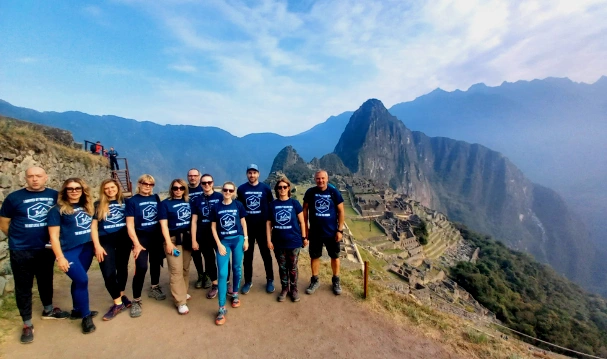
Valuable Data for your expedition to the Incan citadel
To ensure your planning is perfect and goes beyond knowing that the landscape “is pretty,” here is the essential technical data that every good traveler should know:
- Average Altitude: 2,430 m.a.s.l. (Citadel) and 2,040 m.a.s.l. (Aguas Calientes).
- Climate: Subtropical, warm, and humid. Days are usually sunny, and nights are much cooler.
- Best Season: April to October (dry season). Ideal for avoiding heavy rains and ensuring photos with clear skies.
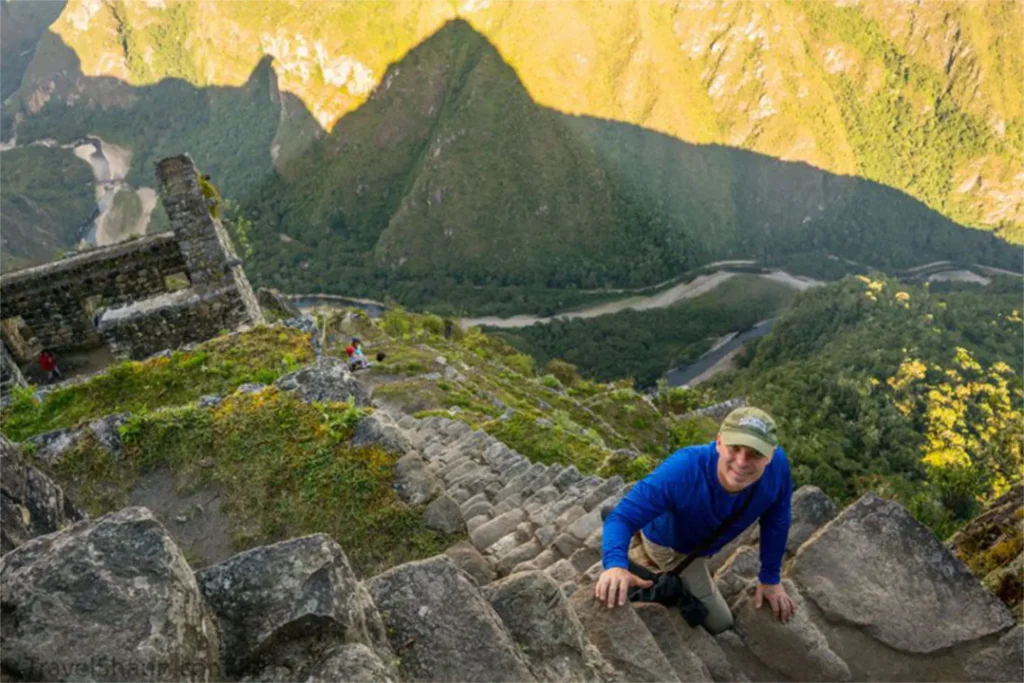
- Difficulty: Moderate. You will walk on irregular stone stairways, so basic physical fitness and caution are required.
- What to Carry: Dress in layers, wear sunscreen, good insect repellent, bottled water, trekking shoes with good grip, and a hat.
Recognizing altitude sickness in Machu Picchu
Despite the citadel being at a lower elevation than Cusco, some visitors still experience the dreaded altitude sickness in machu picchu. This usually happens if you travel directly from sea level and attempt immediate physical exertion without a break.
The soroche in machu picchu manifests with clear signs: constant headache, nausea, extreme fatigue, dizziness, or difficulty breathing while walking. Listening to your body is the unbreakable golden rule in the Andes.
If you feel any of these symptoms, it is vital to stop the activity immediately, rest in the shade, hydrate, and, if necessary, ask for assistance to receive oxygen.
Expert Advice: How to avoid altitude sickness in Machu Picchu
As local specialists, at Local Trekkers Peru we want you to enjoy every second of your adventure. If you wonder how to avoid altitude sickness in machu picchu, apply these proven recommendations:
- Strategic acclimation: Spend at least two or three days in Cusco or, better yet, the Sacred Valley (which has a lower altitude) before going up to the citadel.
- The power of hydration: Drink plenty of water before your flight and during your stay. Staying hydrated is key to helping your body oxygenate the blood.
- Trust the coca leaf: Take advantage of Andean wisdom. Drinking coca tea at breakfast or chewing its leaves is one of the best tips for the altitude in machu picchu.
- Very light meals: During your first days at altitude, your digestion will be much slower than normal. Opt for soups and light carbohydrates; avoid red meat and alcohol.
- Slow pace: When arriving at the ruins, walk slowly. Do not try to run through the Incan stairs out of excitement; the mountain demands respect and a calm rhythm.
Prepare to conquer the altitude of Machu Picchu
As you have seen, overcoming the challenge of the machu picchu altitude is totally possible with a bit of prevention, patience, and the right guidance. By knowing how your body reacts and following local expert tips, you will ensure your only concern is taking amazing photos and connecting with the magic of this historical sanctuary.