If you’re asking yourself is Manu National Park safe, the short answer is yes, provided you travel prepared and go with a licensed operator. Manu is one of the most remote corners of the Amazon, which means you’re far from a hospital, but also far from the kind of risks people usually worry about in unfamiliar cities. This guide covers what’s actually dangerous, what isn’t, and what to prepare before you go. For the bigger picture on the Reserved Zone itself, check our complete Manu Reserved Zone guide.
Wildlife: What’s Actually Dangerous (and What Isn’t)
Most first-time visitors overestimate the wildlife risk. In practice, animal encounters in Manu are rare and almost always at a distance, with your guide keeping the group at a safe distance from anything worth worrying about.
| Category | Real risk level | What to know |
|---|---|---|
| Snakes | Low | Present but rarely seen; bites are uncommon when you stay on marked trails and don’t handle anything |
| Insects (mosquitoes, ants, spiders) | Moderate | The main practical risk, mostly bites and stings, not venom emergencies |
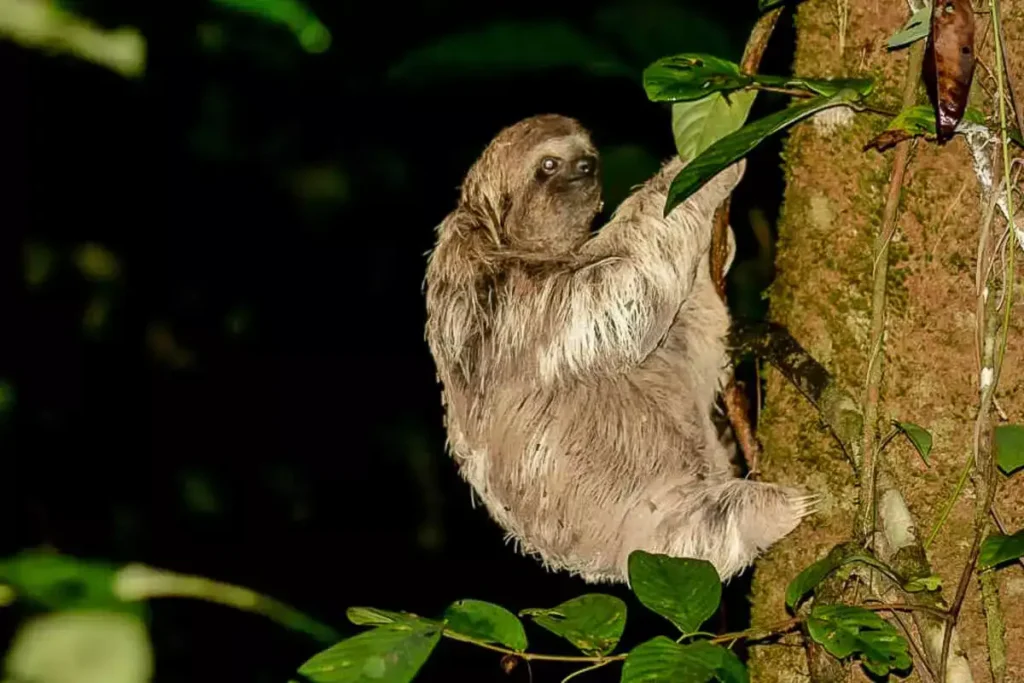
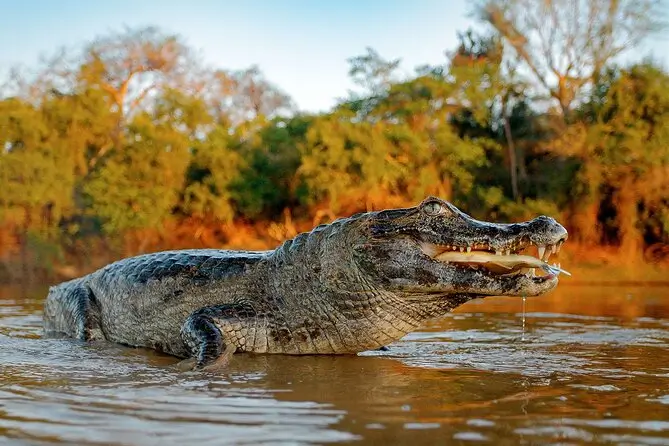
| Large mammals (jaguars, caimans, otters) | Very low | Naturally shy of humans; sightings happen from a boat or platform, not up close |
A few habits make the difference: don’t touch plants or handle anything you can’t identify, since, and always shake out boots and clothing before putting them on, since scorpions and spiders favor dark, damp spots. If you’re curious what you might actually spot on the trail, our guides on where to see jaguars in Manu and the insects of the Peruvian Amazon go into more detail.
Health Preparation: Vaccines and Malaria Prevention
Yellow fever vaccination is recommended before traveling to Manu, even though it isn’t legally required to enter Peru. It’s also worth confirming your routine vaccines (tetanus, typhoid, hepatitis A) are current before heading into a remote area.
On malaria: there is no vaccine for malaria. What exists is prophylaxis, prescription medication taken before, during, and after your trip to prevent infection. The actual risk inside Manu’s tourist zones is considered low but not zero, so the standard recommendation stands: consult a travel medicine clinic a few weeks before your trip so a doctor can prescribe what’s appropriate for your dates and health history.
The Journey Itself: Roads, Rivers, and Remoteness
Part of what makes Manu feel demanding isn’t the jungle itself, it’s getting there. The overland route crosses the Andes at around 4,000 m (13,123 ft) before dropping to roughly 300 m (984 ft) in the lowland jungle, so altitude is actually a bigger factor on the way in than anything you’ll face once you’re in the rainforest. We recommend spending 2 to 3 days acclimatizing in Cusco beforehand; our guide on managing altitude in Cusco covers how to do that properly.
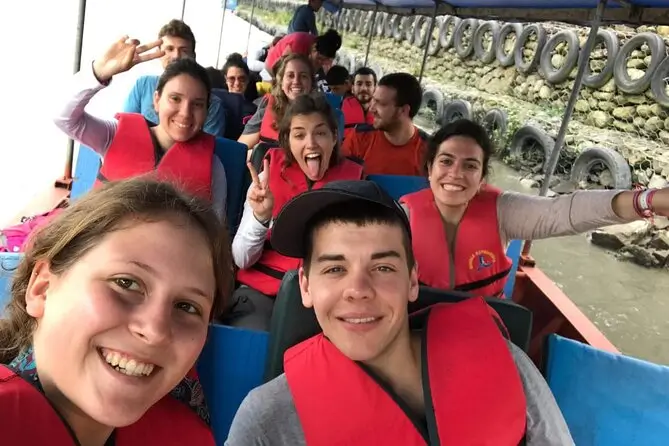
From there, the trip continues by river, and the remoteness is real: once you’re past the checkpoint, you’re several hours from the nearest town by boat. Our Cusco to Manu National Park road trip guide breaks down that overland and river leg in detail, including what the ride itself is like.
Communications and Emergencies in the Jungle
Cell service and Wi-Fi disappear once you’re inside the core zone, which is part of the experience for most travelers, but worth knowing in advance if you need to stay reachable for work or family. What we can say is that every group travels with an authorized, trained guide who knows the evacuation routes and procedures for the specific stretch of river and trail you’re on, which is exactly why the choice of operator matters as much as it does.
Why Your Operator Is the Real Safety Factor
More than anything else, your safety in Manu comes down to who you book with. Local Trekkers Peru operates under the required park authorizations, and our porters and guides follow set protocols on the trail. Our guides and field staff are trained specifically for this terrain, and our team on the ground handles logistics so nothing is improvised mid-trip. If you’re comparing operators before you book, this is the part worth asking hard questions about.
Gear and Food on the Trip
Beyond insect repellent and long sleeves, most of what keeps you comfortable and healthy in the jungle is handled by your operator: proper camping equipment suited to a humid environment, and food prepared with hygiene and your dietary needs in mind through our kitchen and chef team. If you want the fuller packing rundown before you go, our jungle packing checklist covers it item by item.
So, Is Manu National Park Safe for Tourists?
Yes. Manu is a secure destination for travelers who prepare medically, respect the environment, and follow their guide’s instructions. The real variable isn’t the jungle, it’s the operator you choose to get you through it. If you’re also sorting out permits for the Reserved Zone, our guide on how to apply for a Manu Reserved Zone permit covers that process.
Ready to see it for yourself? Our 6-day, 5-night Manu Reserved Zone tour is run by a fully licensed team from start to finish.
Frequently Asked Questions
Is Manu National Park dangerous for tourists? No, not in the way most people expect. The main risks are practical (insect bites, long travel days, altitude on the overland route), not the dramatic wildlife encounters people often picture.
Do I need a malaria vaccine for Manu? No such vaccine exists. What’s available is prophylaxis, prescription medication a doctor prescribes based on your trip dates and health. Talk to a travel medicine clinic before you go.
Is the Yellow Fever vaccine required to enter Manu? It’s not legally mandatory to enter Peru, but it’s recommended for travel to this region. Confirm current requirements with a travel medicine clinic before your trip.
What’s the most dangerous animal in Manu National Park? In practice, none of them pose a real threat to a group traveling with a licensed guide. Insects are the most common source of minor discomfort, not large mammals or snakes.
Will I have cell service or Wi-Fi in the Reserved Zone? No. Once you’re inside the core zone, there’s no cell coverage or internet access, which is part of what makes it feel genuinely remote.
Do I need to acclimatize to altitude before going to Manu? Yes, if you’re taking the overland route, since it crosses the Andes before descending into the jungle. Spending 2 to 3 days in Cusco beforehand is the standard recommendation.
Does the tour operator matter for safety in Manu? Yes, more than almost anything else. An authorized operator with trained guides and proper park licensing is the main factor in a safe trip, since independent access to the Reserved Zone isn’t possible in the first place.