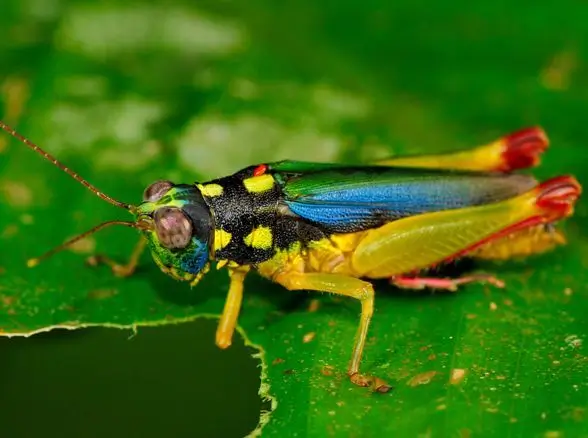
When you imagine a jungle expedition, you likely picture elusive jaguars or playful monkeys swinging through the canopy above. However, to truly understand this vibrant ecosystem, you must look closer at the fascinating insects of the Peruvian Amazon.
While some travelers might feel apprehensive about bugs, these tiny creatures are the true architects and guardians of the rainforest.
By exploring with our expert local guides, you can safely discover this mesmerizing miniature world. Let’s dive into the fascinating realm of Amazonian insects and learn how to turn your fear into absolute awe.
The Micro-World: Discovering the Insects of the Peruvian Amazon
The sheer volume of life on the rainforest floor is staggering. Everywhere you look, worker ants are carrying leaves, and beetles are recycling nutrients back into the earth.
Among the most famous residents are the Leafcutter ants, which can be seen marching in endless lines carrying vibrant green foliage.
Observing the insects of the Peruvian Amazon up close reveals a highly organized, complex society that keeps the entire jungle ecosystem thriving and balanced.
A Web of Wonders: Spiders and Tarantulas in Peru
Nighttime in the jungle brings out a completely different cast of characters. For many adventurers, a guided night walk is the ultimate thrill of their expedition.
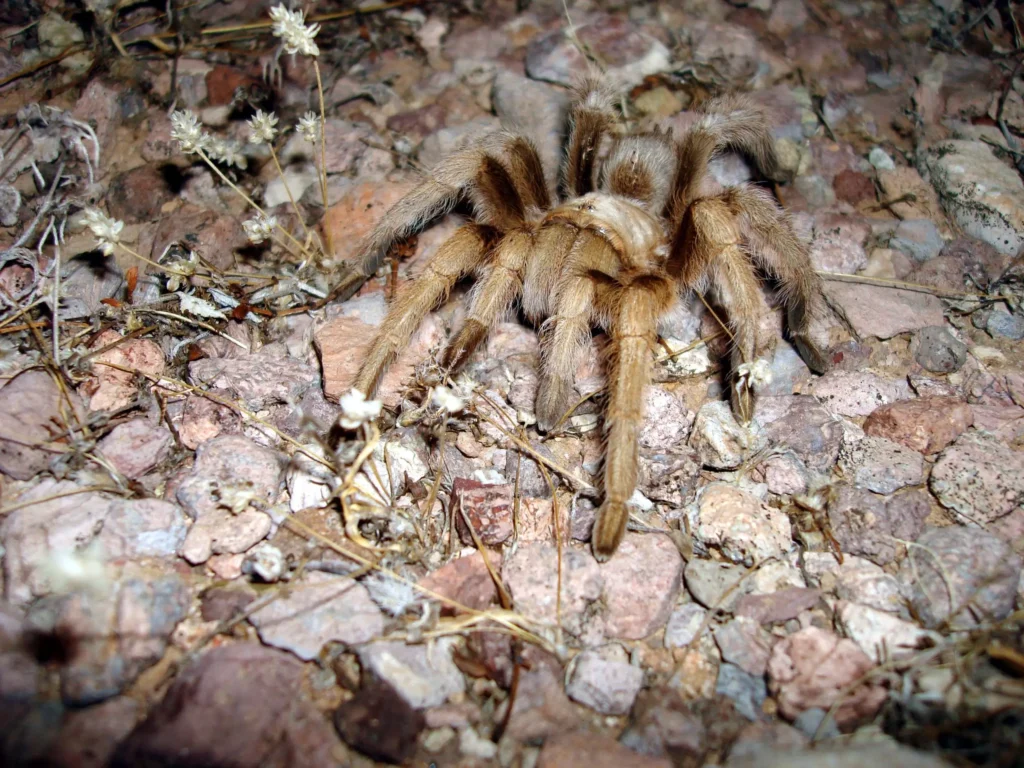
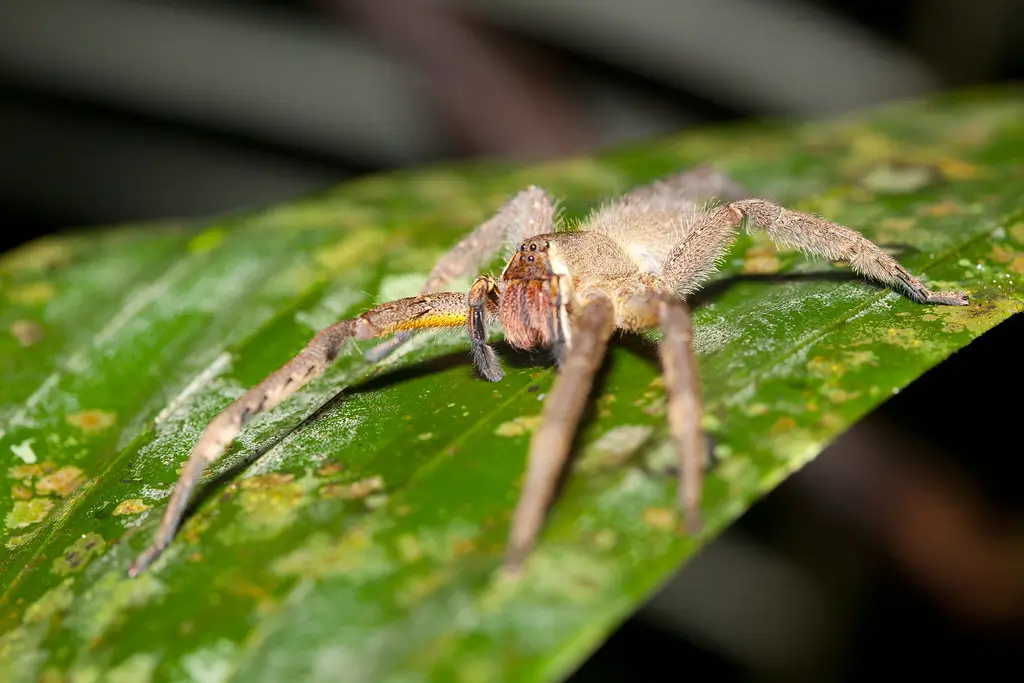
It is during these dark hours that you have the best chance of spotting impressive tarantulas in Peru, which are surprisingly docile and harmless to humans if left undisturbed.
Our guides know exactly where to look for these gentle giants. Spotting uniquely colored spiders in Manu National Park as their eyes reflect in your flashlight beam is an unforgettable photography experience.
Flashes of Color: The Magic of Manu Butterflies
Not all insects in the jungle crawl along the shadows; many paint the daytime sky with brilliant colors. The Amazon is a haven for lepidopterists and nature lovers alike.
You will often find thousands of vibrant Manu butterflies gathering along the muddy riverbanks to absorb essential minerals from the soil.
Keep your eyes peeled for the legendary Blue Morpho, whose iridescent wings flash brightly as it dances through the dense green foliage of the canopy.
Essential Trip Data: Preparing for Your Jungle Safari
Before you grab your camera and head into the wild, it is important to know the physical realities of the jungle environment.
- Altitude: The lowland Amazon basin sits at a comfortable 300 to 500 meters (984 to 1,640 ft) above sea level.
- Climate: Expect a tropical, highly humid, and warm environment. Daytime temperatures generally range from 28°C to 35°C (82°F to 95°F).
- Best Season: The dry season (May to October) is ideal for hiking, but insect life is abundant and visible year-round.
- Difficulty: Easy to Moderate. The terrain is mostly flat, but the high humidity and heat can make walking feel more physically demanding.
- Qué Llevar (What to Bring): A macro lens for your phone or camera, strong DEET-free insect repellent, lightweight long-sleeve shirts, quick-dry pants, and tall rubber boots (often provided by lodges).
Expert Tips: How to Safely Observe Jungle Bugs
Navigating the rainforest requires respect for its inhabitants. As a local agency, we want to share these insider tips for a safe and spectacular bug-watching experience:
- Look, Don’t Touch: The golden rule of the jungle. Many caterpillars and ants (like the infamous Bullet Ant) have painful defensive stings.
- Tuck in Your Pants: When walking through dense trails, tuck your pant legs into your socks or boots to prevent opportunistic ticks or ants from hitching a ride.
- Embrace the Night: Do not skip the evening safaris. This is when the jungle truly comes alive, and nocturnal insects and arachnids are most active.
- Smart Acclimatization: If your journey starts in Cusco, take a couple of days to acclimate to the high altitude before taking the long bus ride down into the humid cloud forest and Amazon basin.
Conclusion: Book Your Miniature Wildlife Safari
The rainforest is a complex, interconnected web of life where the smallest creatures play the most crucial roles.
Taking the time to appreciate the insects of the Peruvian Amazon will completely transform your perspective on the jungle and its delicate biodiversity.