The Inca Trail is one of the world’s most iconic treks, but many travelers wonder if it’s worth attempting it during the rainy months. In this guide, we explore the pros, cons, and practical advice for doing the inca trail january february, when rainfall is heaviest but the landscape is truly alive.
The Inca Trail Rainy Season Explained
The rainy season in the Inca Trail runs roughly from November to March, with January and February being the wettest months.
Expect warm and humid days, with temperatures between 12°C and 25°C (54°F–77°F).
Note: In February, the classic 4-day Inca Trail is closed for maintenance, but alternative treks like Salkantay, Lares, or Inca Jungle remain open.

Advantages of Hiking the Inca Trail in Rainy Season
1. Fewer Tourists, More Serenity
If you prefer a quieter experience, the Inca Trail in the Andean summer offers peace and solitude among breathtaking mountains.
2. Lush Green Landscapes
Rain brings life — vibrant greenery, blooming orchids, and cascading waterfalls make this trek an unforgettable visual experience.
3. Lower Prices
Tours, accommodations, and flights tend to be cheaper during the rainy season, making it perfect for budget-conscious travelers.
Drawbacks of the Inca Trail in January and February
1. Slippery Trails and Landslides
Wet and muddy paths increase the risk of falls. Proper waterproof boots and trekking poles are a must.
2. Limited Visibility
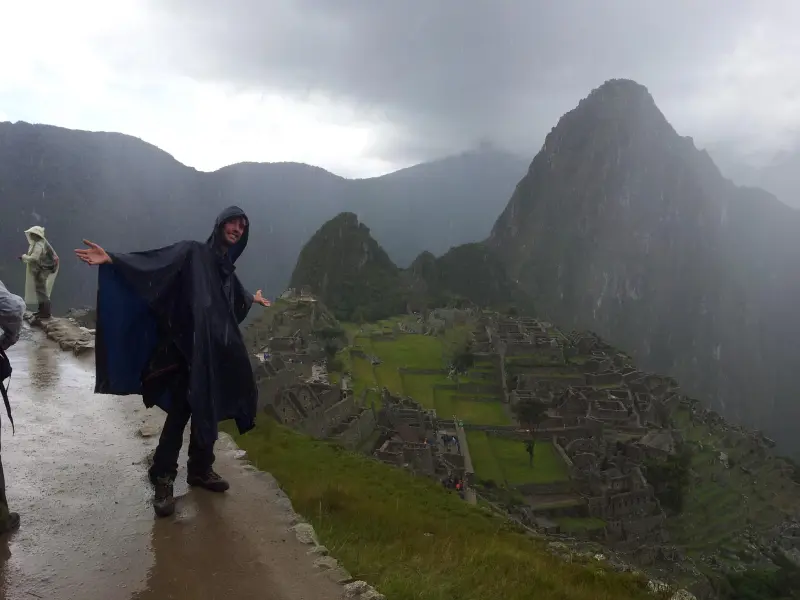
Clouds and fog may cover iconic viewpoints like Inti Punku or Machu Picchu itself. Patience is key.
3. Temporary Closures
As mentioned, the Inca Trail is closed in February, but other routes remain open and equally stunning.


Tips for Trekking to Machu Picchu in Rainy Season
- Wear light, quick-dry clothing.
- Bring a waterproof poncho and backpack cover.
- Consider alternative treks if the main trail is closed.
- Always book with an authorized operator and check weather forecasts.
Conclusion
Doing the Inca Trail in the rainy season requires preparation, but it rewards you with solitude, lush scenery, and lower costs.
If you’re well-equipped and open to adventure, January and February can be magical months to experience the trail in full bloom.