

Are you planning your next adventure in nature and don’t know which activity to choose? It is very common that when looking for exciting routes in the Andes you come across terms that seem the same, but in practice require totally different preparations.
To ensure you enjoy yourself to the fullest and choose the perfect route, today we will resolve the hiking vs trekking debate. Join us to discover the characteristics of each so that your trip to Peru is exactly what you dreamed of.
Contents
Basic concepts: defining your next adventure
Before packing your boots, it is essential to clarify the terms. Let’s see what each of these wonderful activities involves.
What is hiking?
If you are wondering what is hiking, we are talking about walks on trails that are already marked, traveled, and approved. The classic hiking definition implies single-day routes; that is, you go out to explore nature and return to your hotel or base camp before nightfall.
What is trekking?
On the other hand, if you want to know what is trekking, you should know that this term goes one step further. The trekking definition covers journeys of several days through more rugged and unexplored terrain. When you research mountain trekking what is, you delve into expeditions where overnighting outdoors is mandatory.
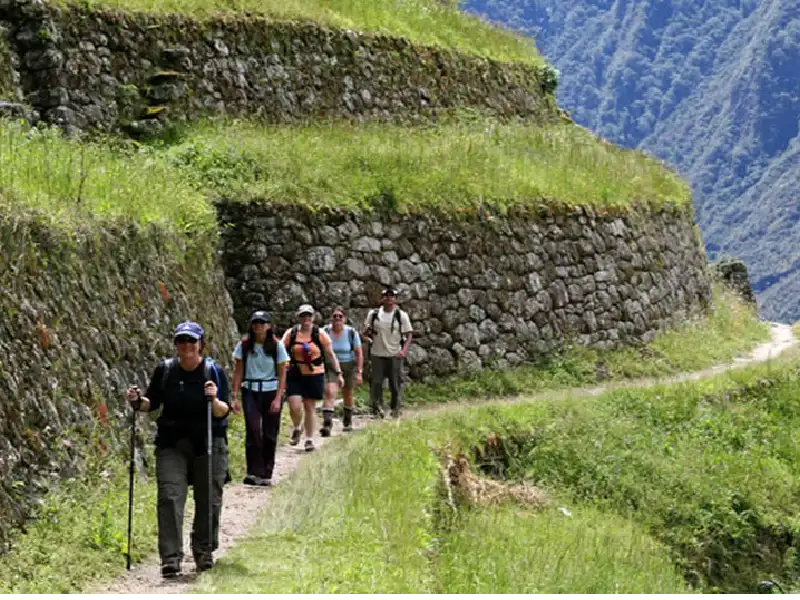

In-depth analysis: hiking vs trekking
The main difference between hiking and trekking lies in three pillars: duration, terrain, and the traveler’s level of autonomy. In the travel world, these are also known as the hiking vs trekking differences.
Hiking is usually more relaxed and structured. There are different types of hiking, such as interpretive, photographic, or light mountain hiking. In contrast, among the types of trekking, we find greater challenges such as high mountain crossings or remote expeditions.
When evaluating outdoor activities differences, you will notice that the trekking vs hiking differences will mainly tell you how much weight you will carry on your back and how many days you will be disconnected from civilization.
Which is harder: hiking or trekking?
This is the crucial question before booking a tour. As a general rule, trekking requires much more physical endurance and mental strength. Trekking requirements include carrying a heavy backpack (if you don’t have porters), enduring extreme weather, and sleeping in a tent for several days.
Regarding the hiking difficulty level, this is usually much more accessible for families or beginners. However, categorizing hiking easy or difficult strictly depends on the slope of the route; a short trail but with a large ascent on stone steps will leave you exhausted, even if you return to sleep in a warm bed.
Valuable Data: Preparation for the Peruvian Andes
Whichever route you choose, Peruvian geography demands respect and good planning. Here are the essential parameters:
- Altitude: Hiking in Cusco averages 3,400 m.a.s.l. Trekking (such as the Salkantay or Ausangate route) will take you across passes that exceed 4,600 m.a.s.l.
- Weather: Extremely variable. Sunny days where you can sweat, followed by freezing nights that can drop below zero in camping areas.
- Best season: The dry season, which runs from May to October, is the ideal window to avoid heavy rains and enjoy clear skies.
- Difficulty: Adaptable. From gentle 2-hour walks to physical challenges and isolation of 5 to 7 days in the mountains.
- What to bring: For hiking: daypack, water, snacks, and windbreaker. For trekking: 40L to 60L backpack, sleeping bag for low temperatures, headlamp, and several layers of thermal clothing.

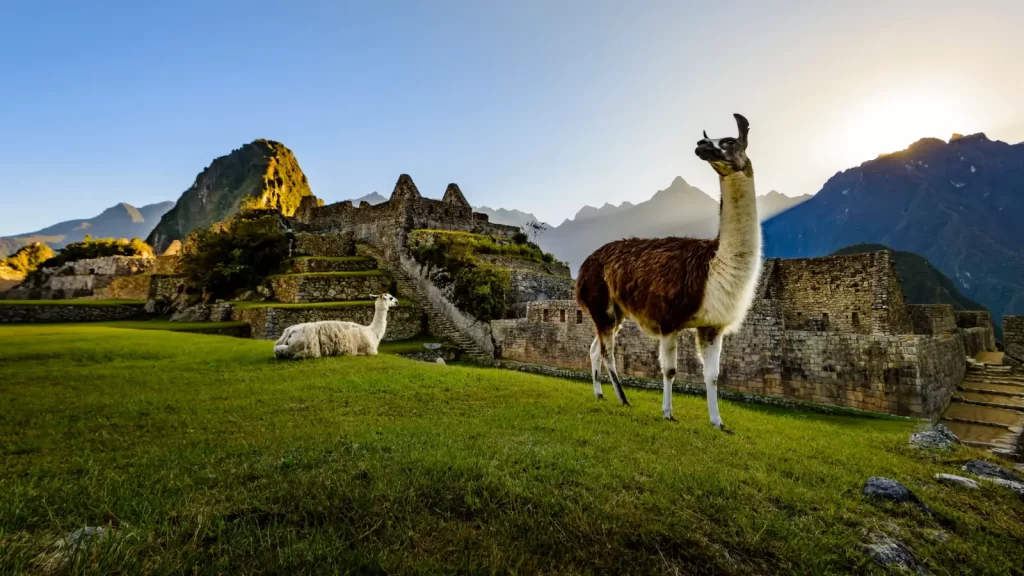
Expert Tips from Local Trekkers Peru
Years of walking through the Andes have taught us the secrets of the mountains. Take note of these vital tips for your safety and enjoyment:
- Smart acclimatization: Never start a long route as soon as you land. Spend at least 2 days in Cusco doing light hiking (such as visiting nearby ruins) before launching into high-altitude trekking.
- Backed safety: On multi-day journeys, the weather changes in minutes. Always go with official guides who have a first aid kit, oxygen, and knowledge of rapid evacuation routes.
- Schedule control: In the Andes, the early bird catches the worm. Start your walks at dawn; afternoons usually bring strong winds, thick fog, or sudden drizzles that make visibility difficult.
Conclusion
Fully understanding the hiking vs trekking debate is the first big step in planning the vacation of your dreams. While one offers you beautiful brushes with nature with the comfort of a hotel, the other fully immerses you in the wild and transformative heart of the mountains.


