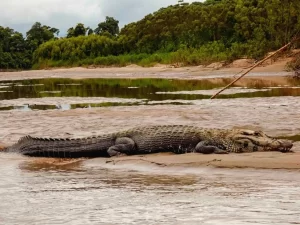
The biodiversity of Manu National Park is one of the most impressive on the planet, and for any nature-loving traveler, discovering the Animals of Manu is a life-changing experience. Located between Cusco and Madre de Dios, this natural sanctuary protects unique ecosystems where hundreds of species live freely, many of them extremely difficult to see elsewhere in the world.
In this article, you will discover which animals you will definitely see during a visit to Manu, why this destination is essential for Peruvian rainforest wildlife, and how to enjoy the experience safely and responsibly with a local expert agency like Local Trekkers Peru.
Contents
Why is Manu one of the most biodiverse places on Earth?
Manu National Park has been recognized by UNESCO as a Biosphere Reserve and a Natural World Heritage Site. Its extraordinary value lies in its wide range of climates and altitudes, from the Andes to the lowland Amazon rainforest.
Key facts about Manu:
- Altitude: From 300 m (985 ft) to over 4,000 m (13,123 ft) above sea level
- Climate: Tropical and humid in the low jungle; mild in higher zones
- Best season: May to September (drier months)
- Access: Cusco – Paucartambo – Atalaya / Boca Manu
Thanks to this diversity, the Animals of Manu thrive in a nearly untouched environment.
Animals of Manu you will definitely see during your visit
Manu Jaguar: the silent king of the jungle
The Manu jaguar is one of the park’s most iconic species. Although elusive, Manu is one of the few places in Peru where sightings are truly possible, especially near rivers and remote areas.
- Habitat: Lowland Amazon rainforest
- Best time to see it: Early morning or late afternoon
- Expert insight: Its presence reflects a healthy ecosystem
Giant river otters of the Amazon: a river spectacle
The giant river otters of the Amazon are among the most exciting wildlife encounters in Manu. They live in family groups and are often seen swimming, fishing, or resting along riverbanks.
- Size: Up to 1.8 meters (6 ft)
- Behavior: Diurnal and highly social
- Where to see them: Oxbow lakes and calm rivers
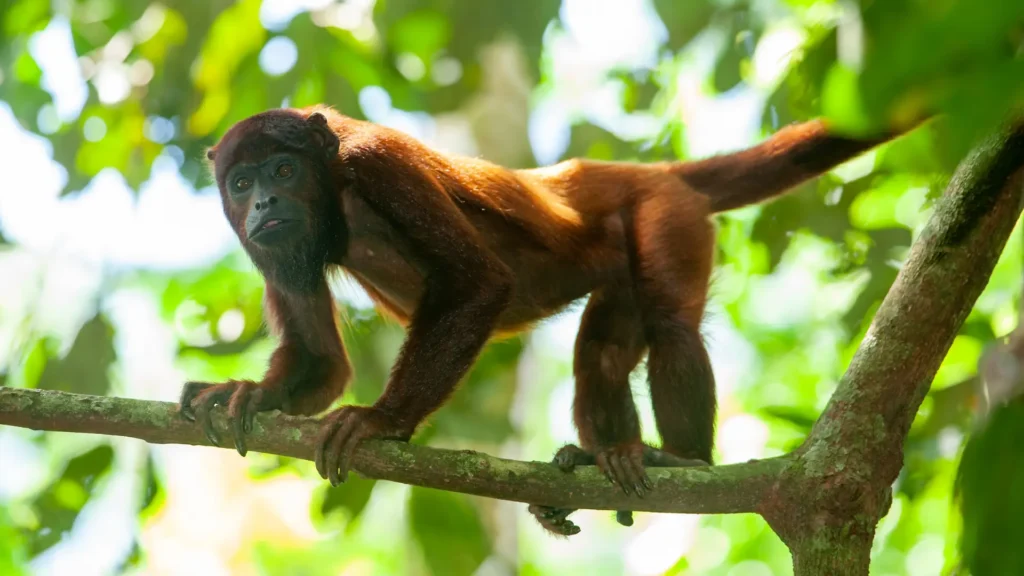
Monkeys of the Peruvian rainforest: energy and curiosity
Peruvian rainforest wildlife includes more than 13 species of primates, and Manu is one of the best places to observe them in the wild.
Common sightings include:
- Howler monkeys
- Spider monkeys
- Squirrel monkeys
- Emperor tamarins
They are most active during the early morning hours.


Macaws and Amazonian birds at their finest
Manu is home to more than 1,000 bird species, making it a paradise for birdwatchers and photographers.
Must-see species:
- Scarlet, blue-and-yellow macaws
- Toucans
- Hoatzins
- Harpy eagles (rare but present)
Clay licks are prime spots to observe dozens of birds at once.
Reptiles and amphibians: guardians of the ecosystem
Colorful frogs, boas, caimans, and lizards are an essential part of the Animals of Manu. Many are nocturnal, and with a local guide, they can be observed safely.


Practical travel information for Manu
- Difficulty level: Moderate (exploration rather than extreme trekking)
- Recommended stay: 4 to 7 days
- What to pack:
- Insect repellent and sunscreen
- Lightweight, long-sleeved clothing
- Rain jacket
- Binoculars
- Camera with zoom
Expert tips from Local Trekkers Peru
- Acclimatize beforehand: Spend at least one day in Cusco before departure
- Respect wildlife schedules: Best sightings occur early in the morning
- Silence and patience are key
- Travel with certified local guides
- Never feed or approach wildlife
Conclusion: Experience the unique wildlife of Manu
Exploring Manu means entering one of the last great natural refuges on Earth. The Animals of Manu, from the powerful jaguar to the playful giant river otters, make this destination unforgettable for conscious travelers.