Dreaming of reaching Machu Picchu through dramatic Andean peaks, lush cloud forests, and off-the-beaten-path trails? You are certainly not alone. However, the most common question we get from travelers at Local Trekkers Peru is about the salkantay trek difficulty. It is completely natural to wonder if you have the fitness level required to conquer this epic multi-day hike. In this comprehensive guide, we will break down exactly what to expect so you can prepare for your journey with absolute confidence.
Contents
Understanding the Salkantay Trek Difficulty
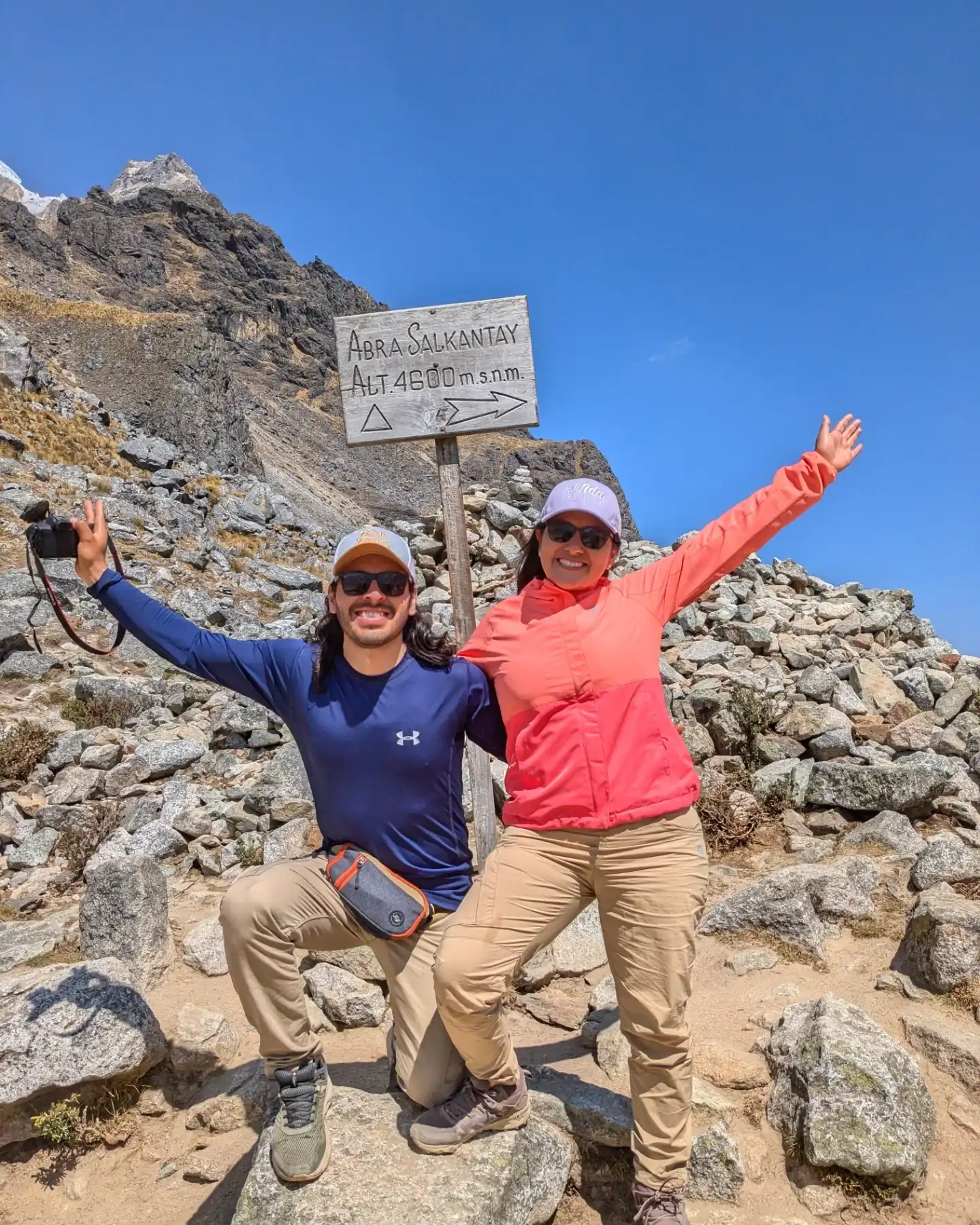
Many travelers ask us: is salkantay trek hard? The honest truth is that it is a challenging but entirely achievable adventure for most active people. Unlike the classic Inca Trail, this route is famous for its rugged, wild nature and significant, rapid changes in altitude. The salkantay trek elevation profile is what makes the second day the most demanding part of your entire journey. You will push your physical limits, but the breathtaking, up-close views of glacial peaks will make every single step worth it.

Key Trail Data: Everything You Need to Know
To truly prepare for the trail, you need to know the facts rather than just knowing “it is beautiful.” Here is the essential data you must keep in mind:
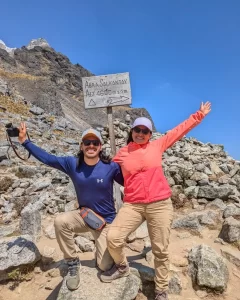
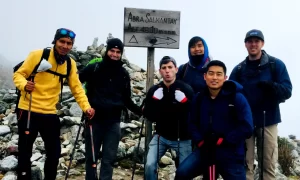
- Highest Altitude: The infamous salkantay pass altitude sits at a staggering 4,630 meters (15,190 feet) above sea level.
- Total Distance: Approximately 74 kilometers (46 miles) spread across 4 or 5 days of hiking.
- Climate: Highly variable. Expect freezing temperatures at the high pass and humid, warm weather in the jungle below.
- Best Season: The dry season runs from May to October, offering the clearest skies and the safest trail conditions.
- Difficulty Rating: We rate it a 4 out of 5 (Challenging). It requires good cardiovascular health and stamina.
What to Bring for a Successful Hike
Packing smart can significantly reduce the physical toll of the hike. Layering is your best friend when trekking in the Andes.
- Proper Footwear: Well broken-in, waterproof hiking boots with excellent ankle support.
- Trekking Poles: Absolutely essential for saving your knees during steep, rocky descents.
- Layered Clothing: Thermal base layers, an insulating fleece, and a high-quality wind/waterproof outer jacket.
Expert Tips: Prepare Like a Pro with Local Trekkers Peru
As local experts who hike these mountains day in and day out, we have a few insider secrets to help you succeed on the trail:
- Prioritize Acclimatization: Spend at least 2 to 3 full days in Cusco (3,400m) before starting the trek. This is non-negotiable for your safety!
- Pace Yourself: The hike to the pass is a marathon, not a sprint. Walk slowly, take small steps, and practice deep, rhythmic breathing.
- Stay Hydrated: Drinking traditional coca tea and plenty of water helps your body process oxygen much more efficiently at high altitudes.
- Pack Light: Hike with a tour operator that provides mules for your heavy duffel bags. You should only carry a lightweight daypack.
Conclusion: Conquer the Salkantay Trek Difficulty
Ultimately, while the salkantay trek difficulty should never be underestimated, it absolutely should not scare you away either. With proper physical preparation, the right mindset, and an experienced local team guiding you, reaching Machu Picchu will be a massive triumph. The diverse, pristine landscapes and the sheer sense of accomplishment will stay with you for a lifetime.
Ready for the adventure of a lifetime? At Local Trekkers Peru, we take care of the logistics, safety, and comfort so you can focus entirely on enjoying the journey. Contact us today to get a free quote and explore our premium Salkantay Trek packages tailored just for you!