Tucked into the buffer zone of the Manu Biosphere Reserve, the Manu hot springs are a quiet stop most travelers don’t expect on a jungle trip. After days of wildlife spotting and river travel, a soak in naturally heated, mineral-rich water while macaws call overhead is a genuinely welcome break. This is a short, practical guide to what the springs are actually like and how they fit into your itinerary. For the fuller destination picture, see our complete Manu Reserved Zone guide.
Where the Hot Springs Fit Into Your Itinerary
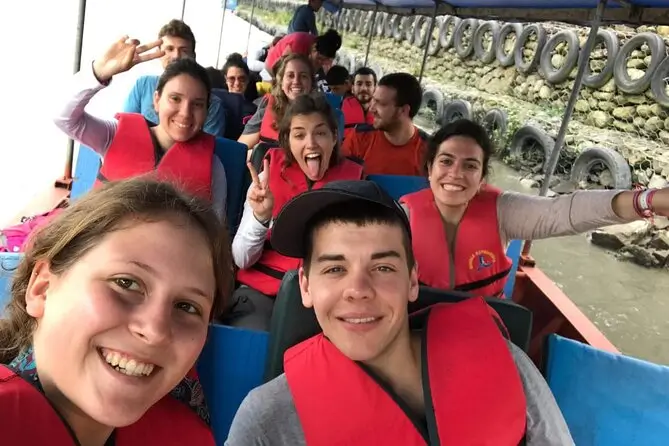
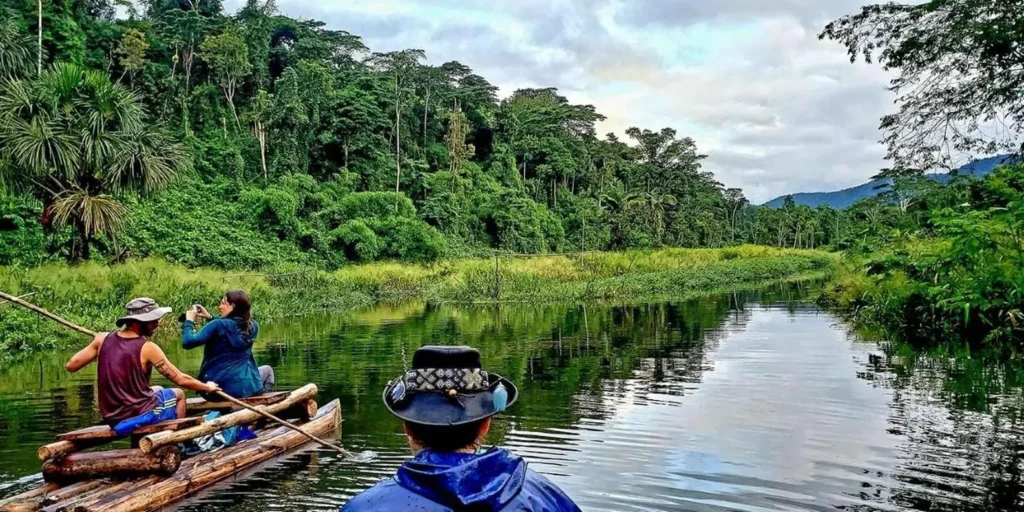
The springs sit within the reserve’s buffer zone, reached by a scenic motorized boat ride followed by a short, flat walk through the forest. [VERIFY: which day of the itinerary the hot springs stop typically falls on, so this section can state it specifically rather than generally.] They’re a particularly welcome stop for travelers coming down from the Andean highlands, since the warm water is a comfortable contrast after the colder mountain crossing.
What the Pools Actually Look Like
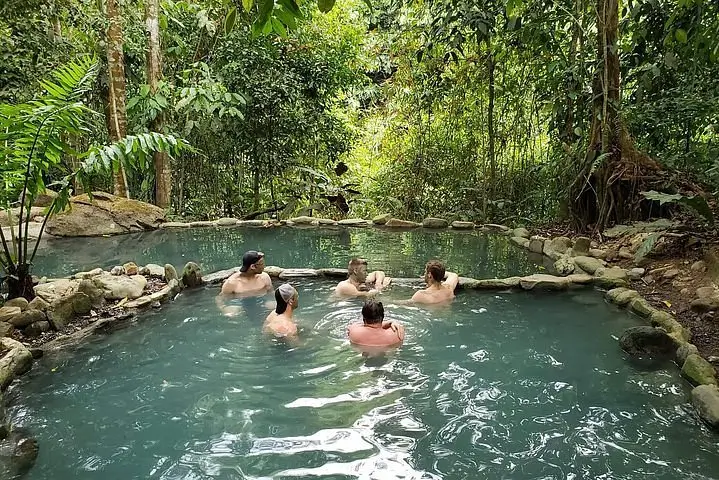
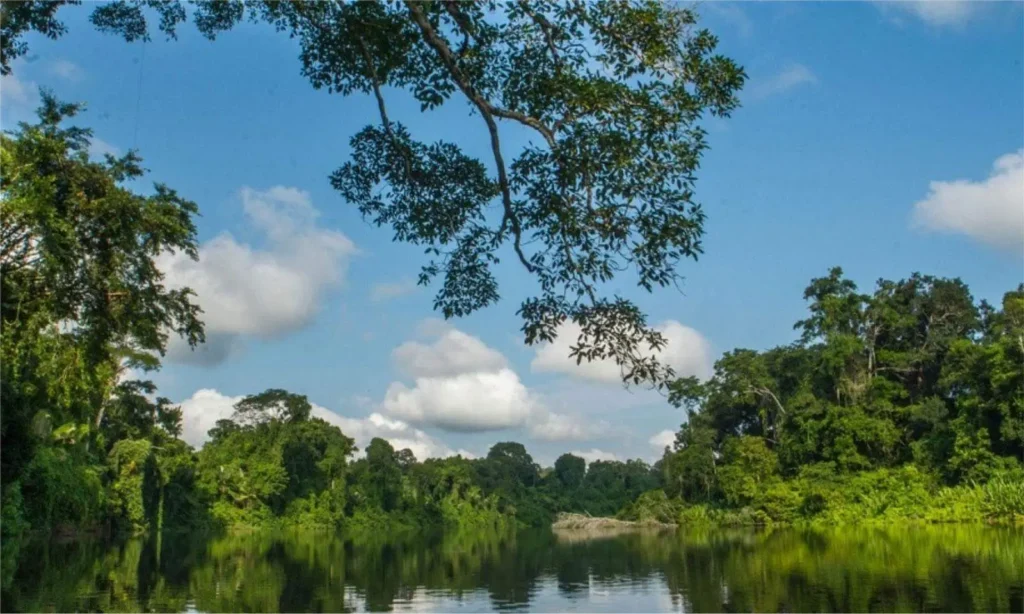
Don’t picture a spa. These are small, rustic natural pools surrounded by ferns and forest, not developed infrastructure. The water is crystal clear and warm, but the setting is entirely wild: towering trees, the sound of the river nearby, and whatever wildlife happens to be around. It’s a rugged, authentic soak, not a resort amenity, and that’s the appeal.
What to Bring
Pack a swimsuit, a quick-dry towel, sandals or water shoes for the walk in, and a dry bag to keep your phone or camera safe near the water. For the rest of what you’ll need on the broader trip, our jungle packing checklist covers it in full.
Practical Facts
Altitude at the springs runs from about 400 to 500 m (1,312 to 1,640 ft), so altitude sickness isn’t a concern here. Expect warm, humid tropical conditions year-round, with ambient temperatures between 25°C and 30°C (77°F to 86°F). The dry season, May to October, is the best time to visit, since heavy rains from December to March can raise river levels and affect access. Getting there is easy: a boat ride followed by a short, flat walk. [VERIFY: whether the repellent recommendation should be DEET-based or eco-friendly/DEET-free, since other articles in this cluster recommend DEET-based repellent and this text originally said eco-friendly, which may be intentional near the pools specifically or simply inconsistent.]
Tips for Your Soak
Late afternoon is the best time to go: the ambient jungle temperature drops slightly, which makes the warm water feel even better by comparison. Sandflies are active near the riverbanks, so have dry clothes and repellent ready to apply the moment you’re out of the water. Soaking in hot water in a humid climate dehydrates you faster than you’d expect, so drink water before and after. And skip sunscreen, lotions, or standard bug spray before getting in, since those residues affect the aquatic life in the pools; it’s a small habit that lines up with how we approach the reserve more broadly, covered in our environmental practices.
Which Tours Include the Hot Springs
Our 6-day, 5-night Manu Reserved Zone tour includes a stop at the hot springs as part of the standard itinerary. [VERIFY: whether the hot springs stop is also included on other tour lengths, so this section can list them accurately rather than naming only the 6-day tour.] If you’re still deciding how many days to book overall, our comparison of Manu tours by duration covers what each itinerary includes.
Getting There and Staying Nearby
The hot springs sit along the same overland and river route covered in our Cusco to Manu National Park road trip guide, and most itineraries that include the springs also involve a night of jungle camping nearby; our guide to camping in the Manu jungle covers what that looks like.
Ready to Add a Soak to Your Manu Trip?
A stop at the hot springs turns an already full itinerary into something a bit more balanced between adventure and rest. Our 6-day, 5-night Manu Reserved Zone tour includes it as part of a complete Reserved Zone experience.
Frequently Asked Questions
Are the Manu hot springs a developed spa or natural pools? Natural pools. They’re rustic, set directly in the forest, with no spa-style infrastructure, which is part of what makes them feel different from a typical hot springs stop.
What should I bring to the hot springs? A swimsuit, quick-dry towel, sandals or water shoes, and a dry bag for your phone or camera.
Is it safe to wear sunscreen or bug spray in the pools? We recommend against it. Residue from sunscreen, lotions, and standard repellent affects the aquatic life in the pools, so apply those after you’re out and dry.
What time of day is best to visit the hot springs? Late afternoon, when the surrounding jungle temperature drops slightly and the warm water feels more comfortable by contrast.
Are the hot springs included in every Manu tour? They’re included on our 6-day, 5-night Reserved Zone tour. [VERIFY: confirm inclusion on other tour lengths before publishing this answer as general.]
How difficult is it to reach the hot springs? Easy. Most visitors reach them by a short motorized boat ride followed by a flat walk through the forest.
Do I need to worry about biting insects at the hot springs? Sandflies are active near the riverbanks, so keep repellent and dry clothes ready to use as soon as you’re out of the water.